
“In the world of tiny creatures, the smallest bite can deliver the biggest lesson.”
If you’ve ever heard the old frontier saying, “It’s not the size of the critter, it’s the sting of the critter,” you already understand the caution we carry as we explore the deadliest insects found in North America.
From forests in the Pacific Northwest to sweltering deserts in Arizona to quiet suburban neighborhoods across the Eastern U.S., we live alongside creatures that look small but can deliver venom, toxins, diseases, or outright aggression powerful enough to send thousands to the hospital every year.
And here’s a wild fact to kick things off:
According to CDC estimates, insect-related allergic reactions cause more than 60+ deaths annually in the USA.
That’s beyond painful stings — that’s fatal anaphylaxis, venom toxicity, and disease transmission.
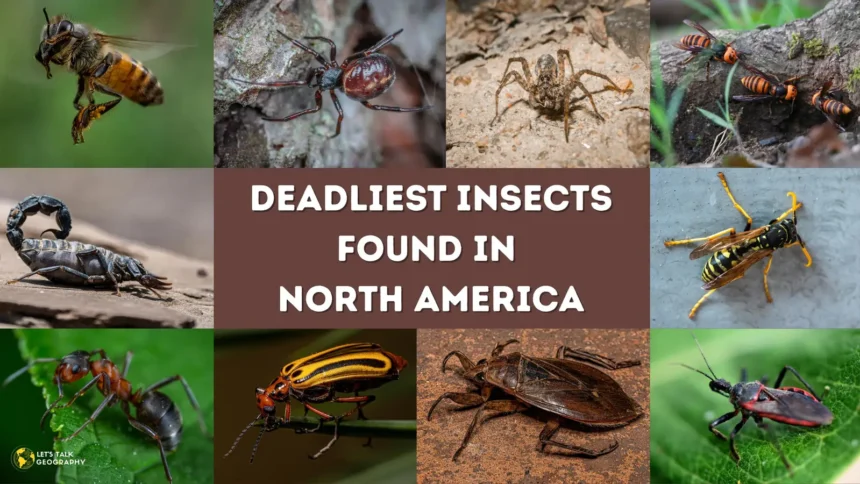
So in this guide, we’re walking through the 10 deadliest insects found in North America, ranked by their danger level and real-world impact on human health.
We’re including spiders, scorpions, hornets, and beetles — because when Americans say “killer insects,” they mean anything creepy, crawly, and capable of causing serious harm.
Read Also: Animals of North America: 20 Astonishing Creatures You Must Discover
As we break down each species, we’ll explore:
- What makes them deadly
- Where in North America do they live
- Their medical risks
- How can we stay safe
- Scientific insights
- Behavioral triggers
This list blends ecology, entomology, history, and accessible science, giving us a clear-eyed view of the dangerous insects we share the American landscape with.
Reasons Behind the Diversity of Killer Insects Found in North America
North America is home to an unexpectedly wide range of killer insects, and understanding why helps us comprehend how the environment shapes the deadliest insects found in North America. From extreme climate zones to varied ecosystems, several natural forces contribute to the diversity of the deadliest insects of North America and other dangerous insects we commonly fear.
1. Vast Climate Range Across the Continent
One major reason behind the large number of deadliest insects found in North America is the continent’s dramatic climate variation. North America stretches from the Arctic Circle to the tropics, creating habitats for killer insects that thrive in cold forests, humid swamps, hot deserts, and temperate suburban zones.
This wide climatic spread supports venomous spiders, aggressive hornets, toxic beetles, and other dangerous insects adapted to extreme conditions.
Read Also: Tallest Mountain in North America: This 20310-Foot Monumental Will Leave You Breathless
2. Rich Biodiversity and Ecological Niches
The region’s biodiversity allows the deadliest insects of North America to evolve specialized behaviors and survival strategies. Dense forests, wetlands, grasslands, and deserts each provide unique ecological niches where killer insects can flourish.
For example, the American Southwest’s heat supports scorpions, while humid Southeastern states nurture fire ants, kissing bugs, and venomous spiders — all included among the deadliest insects found in North America.
3. Human Expansion and Climate Shifts
As cities expand and temperatures rise, dangerous insects are moving into new territories. This creates additional overlap between humans and the deadliest insects of North America, leading to more encounters with killer insects such as yellowjackets, fire ants, and invasive hornets.
Climate change accelerates the spread of species once limited to warmer regions, increasing the overall diversity of the deadliest insects found in North America.
Read Also: Top 10 Most Polluted Cities in the US in 2025
4. Invasive Species Accelerating the Rise of Killer Insects
Invasive species play a major role in increasing the number of deadliest insects found in North America. Over the decades, global trade and travel have allowed killer insects such as the Asian giant hornet and the red imported fire ant to enter the continent.
These aggressive invaders outcompete native species, disrupt ecosystems, and heighten the presence of dangerous insects in urban and rural zones. Their rapid spread contributes to the growing list of the deadliest insects of North America.
5. Evolutionary Adaptations for Survival
Many of the deadliest insects found in North America owe their danger to millions of years of evolutionary refinement. Venom potency, aggressive colony defense, stealthy nocturnal habits, and disease transmission abilities are all survival mechanisms.
These adaptations transform ordinary species into the deadliest insects of North America, especially when humans unknowingly enter their territory. Whether it’s a spider hiding in a shed or killer insects defending their nests, evolution has built some of the continent’s most dangerous insects.
6. Abundant Food Sources and Expanding Urban Landscapes
Urbanization unintentionally supports the spread of the deadliest insects found in North America. Cities generate heat pockets, waste, moisture, and shelter — perfect conditions for dangerous insects like yellowjackets, fire ants, and blister beetles. Meanwhile, suburban gardens, parks, and water sources attract predators and scavengers.
This human-created environment helps sustain high populations of killer insects, increasing the interactions that cement their status as the deadliest insects of North America.
Read Also: Uncover the Hidden Treasures of the Great Plains of North America
Deadliest Arthropods in North America (Ranked)
| Rank | Species / Type | Primary Risk | Region in North America | Danger Level (1–10) |
|---|---|---|---|---|
| 1 | Africanized Honey Bee | Swarm aggression | Southwest, Southern U.S. | 10 |
| 2 | Black Widow Spider | Neurotoxic venom | All states except Alaska | 9.8 |
| 3 | Brown Recluse Spider | Tissue-necrotic venom | Midwest, South | 9.5 |
| 4 | Arizona Bark Scorpion | Neurotoxin | Arizona, Nevada, NM | 9.3 |
| 5 | Asian Giant Hornet | Toxic venom & multiple stings | Pacific Northwest | 9.0 |
| 6 | Yellowjacket Wasp | Aggression + anaphylaxis | Widespread | 8.7 |
| 7 | Fire Ant (RIFA) | Venom + swarm attacks | Southeast, Southwest | 8.5 |
| 8 | Kissing Bug | Chagas parasite transmission | South, Southwest | 8.4 |
| 9 | Blister Beetle | Cantharidin toxin | Western & Central U.S. | 8.1 |
| 10 | Giant Water Bug | Painful, toxic bite | Lakes across the U.S. | 7.8 |
1. Africanized Honey Bee (Killer Bee)
Why This Hybrid Bee Tops Our List
When we talk about the deadliest insects found in North America, it’s impossible to ignore the Africanized Honey Bee. These bees aren’t deadlier because of venom potency — they’re deadly because of relentless, coordinated swarm attacks.
What Makes Them Deadly
- Hyper-defensive behavior
- Chase victims for up to 0.25 miles
- Attack in large numbers
- Deadly for allergy sufferers
Where They Live
Primarily:
- Texas
- Arizona
- New Mexico
- Southern California
Safety Tips
- Walk calmly away (don’t swat)
- Avoid hives hidden in sheds, holes, grills
- Seek shelter indoors immediately
Key takeaway:
It’s not one sting — it’s hundreds. That’s why they’re ranked #1 among the deadliest insects found in North America.
Read Also: 10 Deepest Canyons in the World That Will Leave You in Awe
2. Black Widow Spider
America’s Most Iconic Venomous Spider
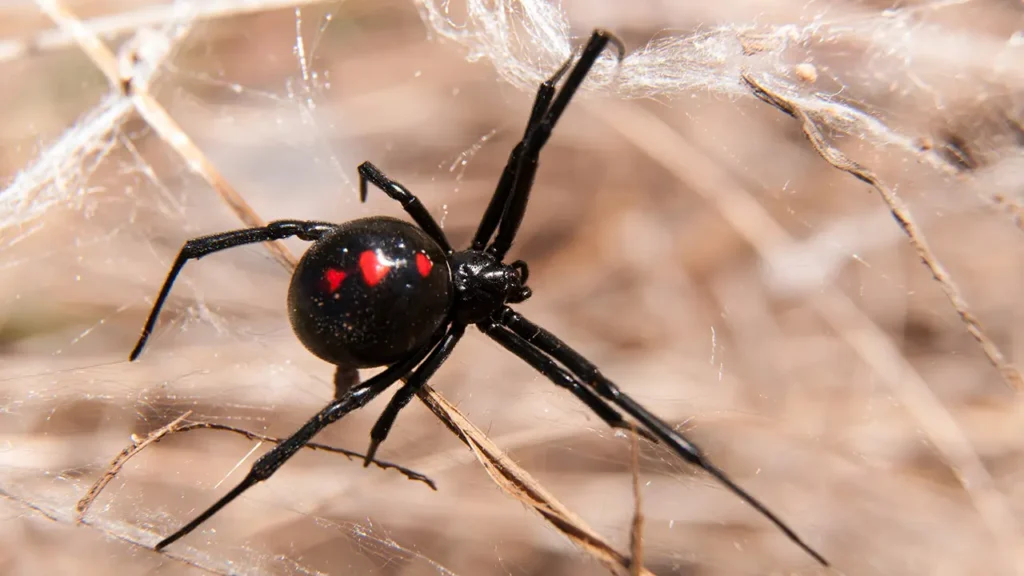
Known for its shiny black body and red hourglass marking, the Black Widow is one of the deadliest insects of North America due to its potent neurotoxic venom.
Why It’s Dangerous
- Causes muscle paralysis
- Severe abdominal pain
- Neurological effects
- Requires medical care
Where They Live
Found in all U.S. states except Alaska, especially:
- California
- Texas
- Florida
Safety Tips
- Always check outdoor furniture
- Wear gloves while gardening
- Avoid cluttered, dark spaces
Read Also: Breaking News: Is Alaska’s Mount Spurr About to Blow?
3. Brown Recluse Spider
The Flesh-Destroyer
If any creature has earned a reputation in viral horror stories, it’s the Brown Recluse. Their bite contains a necrotic toxin that destroys tissue.
Why It’s Deadly
- Severe necrosis
- Risk of deep infections
- Slow-healing wounds
- Rare systemic reactions
Distribution
Mostly Midwest & South:
- Missouri
- Oklahoma
- Tennessee
- Arkansas
Safety Tips
- Shake out shoes and clothes
- Avoid dark storage areas
4. Arizona Bark Scorpion
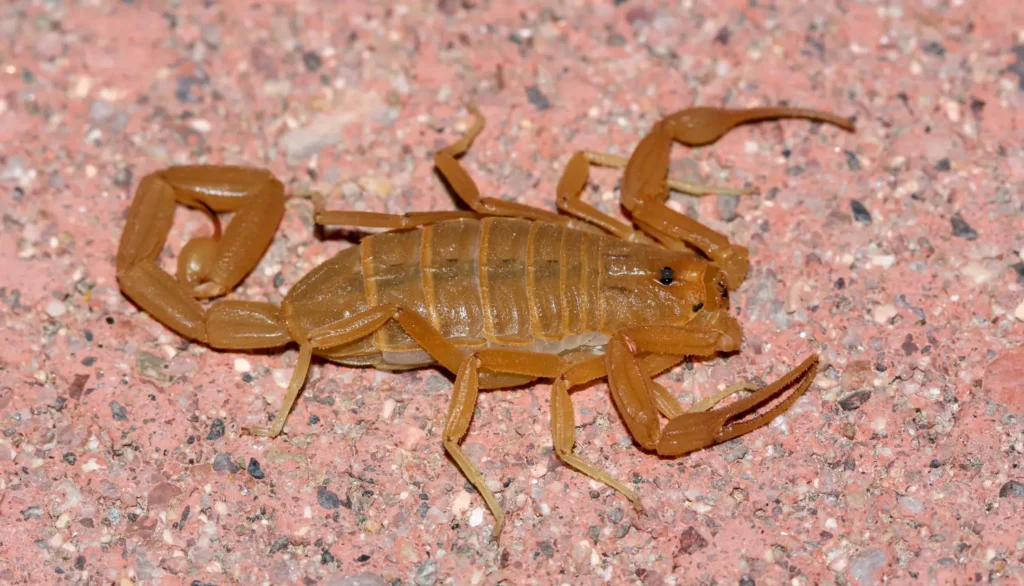
The Most Venomous Scorpion in North America
This small, pale scorpion has a sting powerful enough to cause severe neurological symptoms.
Why It’s Dangerous
- Intense pain
- Muscle spasms
- Breathing difficulty
- Fatal cases in young, elderly, and allergic
Where Found
Southwest deserts:
- Arizona
- Nevada
- New Mexico
Safety Tips
- Use UV light — they glow in the dark
- Keep bedding elevated
- Seal wall cracks
Read Also: Light Pollution Exposed: Unveiling Its Alarming Effects on Our Environment and Health
5. Asian Giant Hornet (“Murder Hornet”)
A Recent Invasive Threat
These enormous hornets became news headlines when they appeared in Washington State. Their sting can deliver multiple milligrams of venom.
Why It’s Deadly
- Extremely painful stings
- Can attack repeatedly
- Rarely but possibly fatal
- Kills native bees
Where Found
Primarily spotted in:
- Washington
- British Columbia
Safety Tips
- Stay clear of large hornets
- Report sightings to local authorities
Read Also: Top 12 World’s Most Venomous Snakes: A Deadly Dozen
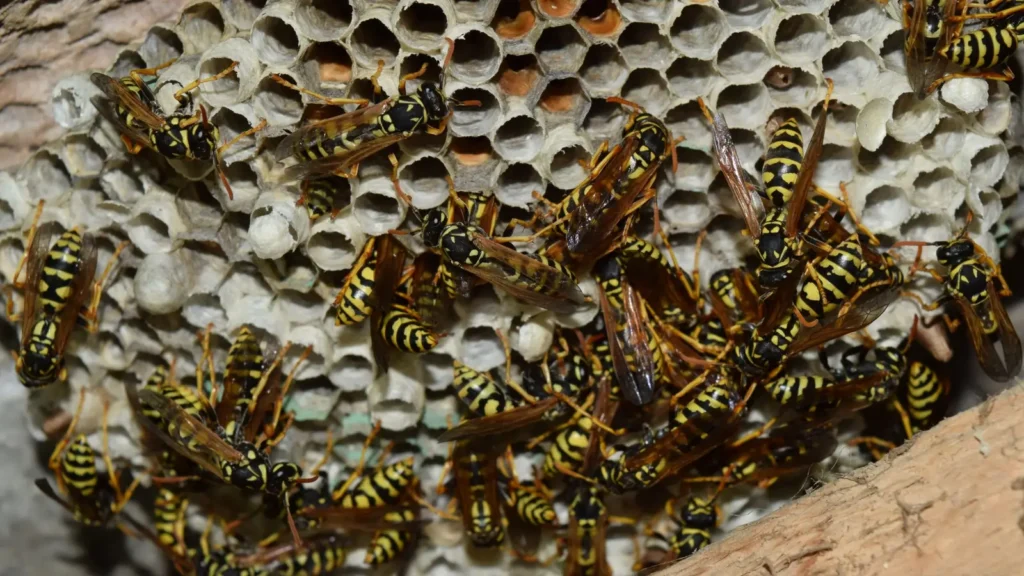
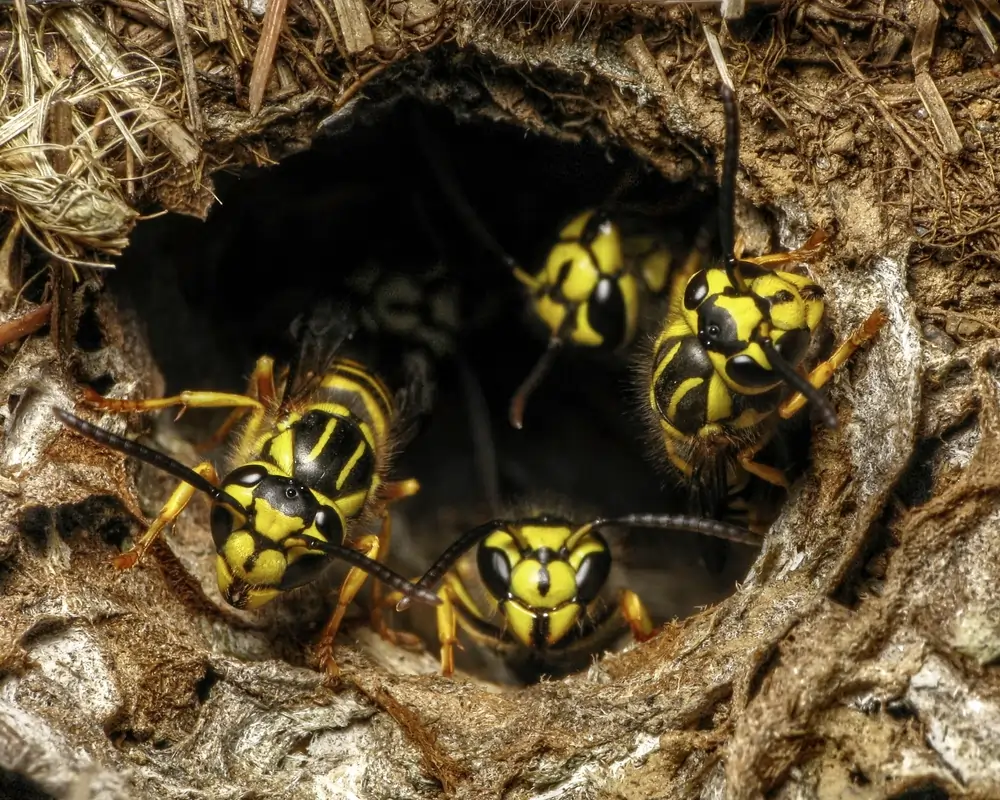
6. Yellowjacket Wasp
America’s Most Aggressive Backyard Wasp
Yellowjackets account for most ER visits related to stings in the U.S. Their aggression, speed, and persistence make them one of the deadliest insects found in North America.
Why They’re Dangerous
- Easily provoked
- Multiple stings
- Risk of anaphylaxis
Common Regions
Found in all 50 states.
Safety Tips
- Don’t leave sugary drinks uncovered outdoors
- Avoid disturbing ground nests
7. Fire Ant (Red Imported Fire Ant)
Silent Invaders with Fiery Stings
Fire ants swarm in seconds and sting repeatedly. Their venom contains alkaloids that trigger burning pain and pustules.
Why They’re Deadly
- Aggressive colony mobbing
- Risk of anaphylaxis
- Can kill small pets
Where They Live
Strong presence in:
- Texas
- Florida
- Georgia
- South Carolina
Safety Tips
- Avoid ant mounds
- Use long boots in infested areas
Read Also: Deadly Beauties: 10 Carnivorous Plants That Will Trap Your Attention
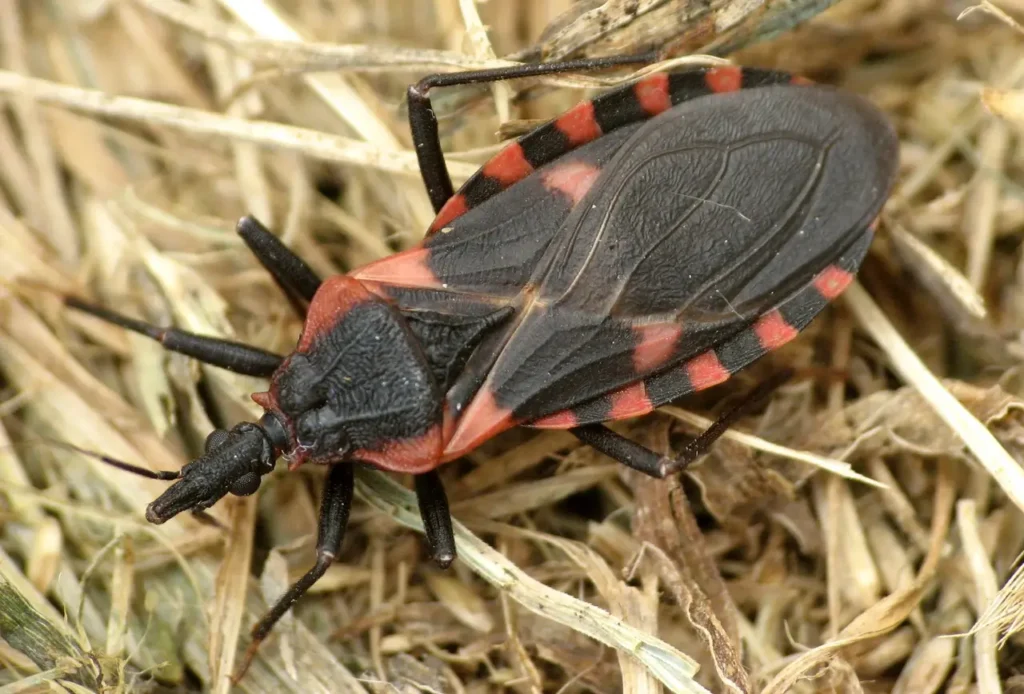
8. Kissing Bug (Triatomine Bug)
The Bugs That Spread Chagas Disease
Kissing bugs look harmless, but they’re among the deadliest insects of North America because they transmit the Trypanosoma cruzi parasite, causing Chagas disease.
Why It’s Deadly
- Chronic heart infection
- Long-term organ damage
- Often unnoticed early
Where Found
Common around:
- Texas
- Arizona
- New Mexico
- California
Safety Tips
- Seal gaps around windows
- Use bed nets in rural areas
Read Also: 10 Most Dangerous Highways in the US – What Makes Them So Deadly?
9. Blister Beetle
Toxic Beetles That Burn the Skin
Blister beetles produce cantharidin, a chemical so toxic that it was once used in medieval warfare.
Why It’s Deadly
- Causes chemical burns
- Dangerous if ingested
- Livestock deaths reported
Where They Live
Found widely across the:
- Midwest
- Southwest
- Great Plains
Safety Tips
- Never crush blister beetles
- Wash hands after outdoor activity
Read Also: Uncover the Hidden Treasures of the Great Plains of North America
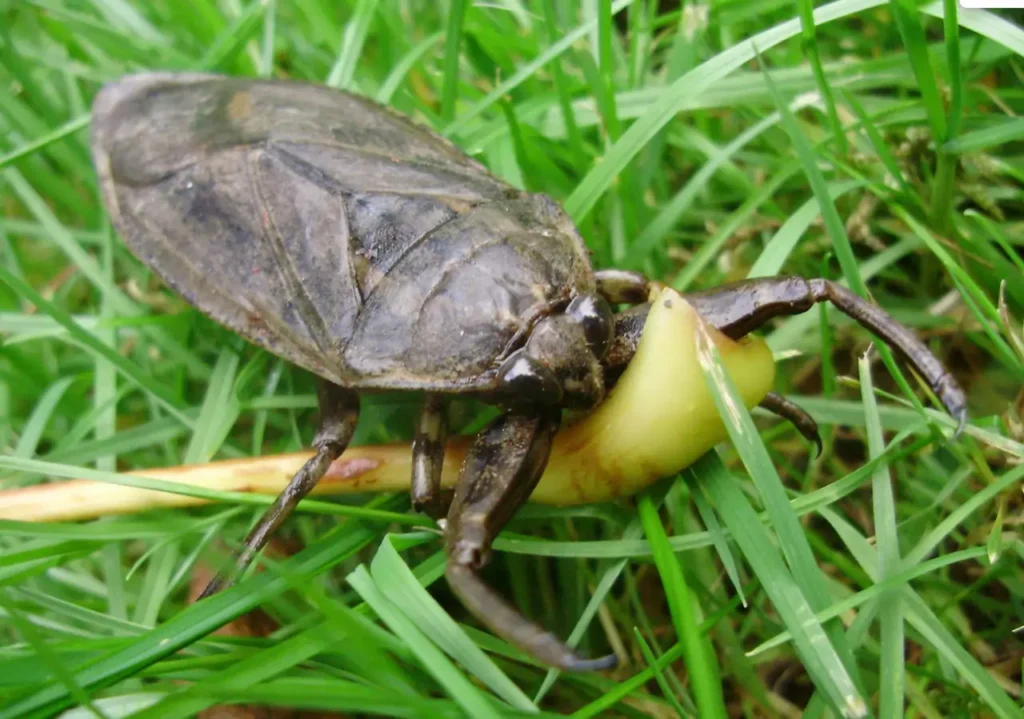
10. Giant Water Bug (Toe-Biter)
The Aquatic Predator
Known for delivering one of the most painful bites in the insect world, the Giant Water Bug lurks in lakes and ponds.
Why It’s Dangerous
- Paralyzing bite
- Rare allergic reactions
- Pain severe enough for hospitalization
Where Found
Across the U.S., especially in:
- Midwest
- Northeast
- Southern states
Safety Tips
- Don’t disturb water edges barefoot
Read Also: Deadly Waters of the North Sea: Why This Sea Claims Ships, Storms & Coastal Lives
Comparison Table: Venom, Aggression & Impact
| Species | Venom Strength | Aggression | Fatality Risk | Human Encounters |
|---|---|---|---|---|
| Africanized Bee | Medium | Very High | Moderate–High | High |
| Black Widow | High Neurotoxin | Low | High | Moderate |
| Brown Recluse | High Necrosis | Low | Moderate–High | Low |
| Bark Scorpion | Very High | Medium | High | Moderate |
| Giant Hornet | High | Medium | Moderate | Low |
| Yellowjacket | Medium | High | High for allergies | Very High |
| Fire Ant | Medium | High | Moderate | Very High |
| Kissing Bug | None (parasite) | Low | High | Medium |
| Blister Beetle | Chemical toxin | Low | Moderate | High |
| Water Bug | Mild toxin | Medium | Low–Moderate | Moderate |
Conclusion
As we’ve seen, the deadliest insects found in North America aren’t defined by size — they’re defined by venom strength, disease transmission, and aggressive behavior. From killer bees in the Southwest to black widows hiding in garages to fire ants in Southern lawns, each creature plays a role in the continent’s ecological balance, yet can threaten human health in very real ways.
Understanding where these species live, how they behave, and what risks they pose empowers us to stay safe while respecting the natural environments we share. Knowledge isn’t just information — it’s a shield. And when it comes to the deadliest insects found in North America, awareness is our greatest advantage.
FAQs
1. What are the deadliest insects found in North America?
The deadliest insects found in North America include bees, spiders, scorpions, hornets, beetles, and parasitic bugs capable of severe harm.
2. Which dangerous insects pose the highest health risks to humans?
Africanized bees, black widows, recluse spiders, fire ants, and kissing bugs are the most dangerous insects, causing major medical emergencies.
3. How many people die each year from insect stings or bites in the USA?
In the USA, insect-related allergic reactions and venom exposures cause dozens of deaths annually, mainly from bees and wasps.
4. What killer insects are common in American backyards?
Yellowjackets, fire ants, black widows, and blister beetles are common killer insects frequently found around homes and gardens.
5. How can we avoid encounters with the deadliest insects found in North America?
Stay alert outdoors, secure food waste, avoid nests, seal home cracks, and wear protective clothing in high-risk regions.

