
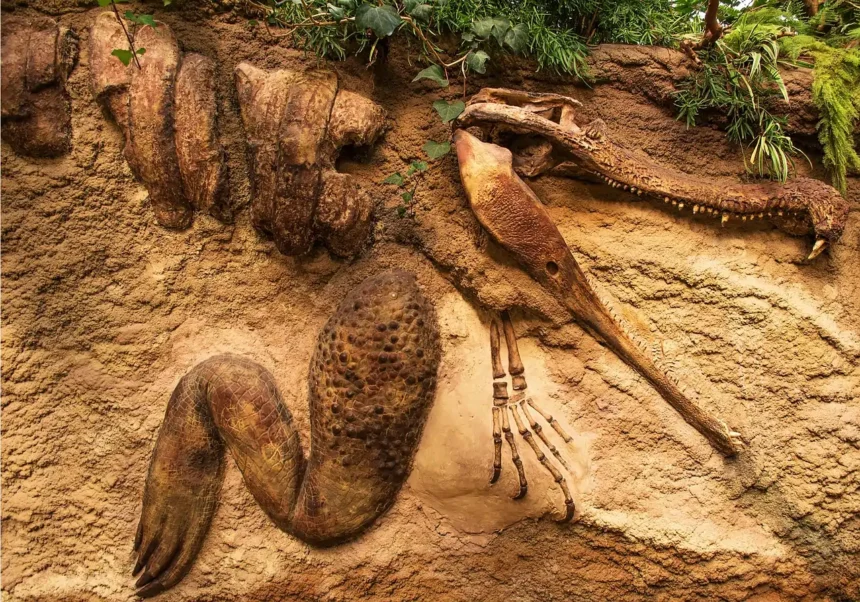
“Every fossil is a whisper from a world that no longer exists.”
And honestly, who among us hasn’t felt that strange tug of awe while holding a tiny remnant of deep time?
If you’ve ever asked yourself:
- Where can we experience the best fossil hunting opportunities in America?
- Which landscapes still hold dinosaur fossils, ancient marine life, and Ice Age mammals?
- Why are the USA’s fossil sites globally famous among enthusiasts and scientists alike?
Then you’re exactly where you need to be.
According to the U.S. Geological Survey, over 1,200 documented paleontological regions exist across the country, but only a handful offer legal access, excellent geological exposures, and consistent public visitation. In this guide, we’re exploring the 10 most popular fossil sites in the USA, chosen for their scientific value, accessibility, and historic significance.
Whether we’re chasing trilobites, uncovering mammoth bones, or exploring dinosaur fossils from the Cretaceous period, these locations remind us just how ancient the American landscape truly is.
Read Also: What is a Fossil? Explore 5 Facts About Earth’s Most Incredible Prehistoric Wonders
Why the USA Is a Global Hotspot for Fossils
The United States remains one of the most extraordinary places on Earth for discovering and studying ancient life, and much of that prestige comes from the remarkable variety of landscapes that cradle fossils beneath the surface. With more than 600 million years of geological history, every major era—from the Paleozoic oceans to the Mesozoic age of dinosaur fossils and the Pleistocene Ice Age—has left its imprint across the nation. When we explore each fossil site, we’re stepping into an open-air archive where entire worlds are preserved in stone.
We benefit from:
- Multiple fossil-bearing formations (Morrison, Hell Creek, Green River): One reason USA fossil sites are so celebrated is their geological diversity. Within these regions lie world-famous fossil-bearing formations such as the Morrison Formation, the Hell Creek Formation, and the Green River Formation—each a prime fossil site known for exceptional discoveries.
- Diverse ecosystems (across eras — Paleozoic seas, Mesozoic forests, Ice Age tundra): Vast deserts expose old sediment layers, rugged badlands reveal multicolored rock strata, mountain ranges uplift ancient seabeds, and former coastlines still hold the remains of marine creatures.
- Accessible parks: Another advantage is accessibility. Many national parks, monuments, and public lands allow regulated fossil hunting, enabling enthusiasts and families to explore fossil layers while supporting ongoing research safely. This balance of public access and scientific protection is rare worldwide.
- Strong paleontological research presence: The country’s strong academic and museum networks also contribute to the prominence of the USA’s fossil sites. Paleontologists continually excavate new specimen-rich layers, allowing us to gain a better understanding of prehistoric climates, extinct species, and evolutionary patterns.
Ultimately, every fossil site in the United States offers its own narrative—one shaped by time, geology, and the ancient life that once thrived here.
Read Also: Top 10 Tallest Mountains of North America: Don’t Miss These Gigantic Peaks
Overview of the 10 Most Popular Fossil Sites in the USA
| Rank | Fossil Site | State(s) | Fossils Found | Era | Public Access |
|---|---|---|---|---|---|
| 1 | Dinosaur National Monument | Utah/Colorado | Sauropods, Allosaurus, Stegosaurus | Jurassic | Yes |
| 2 | Florissant Fossil Beds | Colorado | Insects, plants, fish | Eocene | Yes |
| 3 | Hell Creek Formation | MT, ND, SD | T. rex, Triceratops | Late Cretaceous | Limited |
| 4 | Big Brook Preserve | New Jersey | Shark teeth, marine fossils | Cretaceous | Yes |
| 5 | Fossil Butte National Monument | Wyoming | Fish, plants, crocodiles | Eocene | Yes |
| 6 | John Day Fossil Beds | Oregon | Mammals, plants | Oligocene–Miocene | Yes |
| 7 | Badlands National Park | South Dakota | Rhinos, camels, oreodonts | Oligocene | Yes |
| 8 | Shark Tooth Hill | California | Marine mammals, shark teeth | Miocene | Limited |
| 9 | Penn Dixie Fossil Park | New York | Trilobites, brachiopods | Devonian | Yes |
| 10 | Peace River | Florida | Mammoths, mastodon teeth | Pleistocene | Rhinos, camels, and oreodonts |
Read Also: Ancient Fossil Feathers Unearthed: You Won’t Believe What These Million-Year-Old Feathers Reveal
10 Most Popular Fossil Sites in the USA
Below, we break down each fossil site using simple categories—location, popular fossils, and visitor guidance.
1. Dinosaur National Monument (Utah & Colorado)
Location
Split between Utah and Colorado, this iconic fossil site sits within the towering canyons of the Green and Yampa Rivers.
What We Can Find Here
This region is famous for its dinosaur fossils, including:

- Diplodocus
- Allosaurus
- Stegosaurus
- Camarasaurus
The massive “Wall of Bones” showcases more than 1,500 dinosaur fossils still embedded in rock.
Why It’s Popular
- Unmatched geological exposures
- The only site where we see a natural dinosaur fossil wall indoors
- Accessible fossil hunting viewpoints and trails
Visitor Tips
- Arrive early during the summer
- Bring water, sun protection, and closed shoes
- Check ranger-led tours (highly recommended)
Read Also: 10 Deepest Canyons in the World That Will Leave You in Awe
2. Florissant Fossil Beds National Monument (Colorado)
Location
Near Colorado Springs, this fossil site lies in a high mountain valley formed 34 million years ago.
What We Can Find Here
- Exceptionally preserved insects
- Arachnids
- Fossilized redwood stumps
- Fish and plant species
Why It’s Popular
The preservation quality here is museum-grade—thin shale layers reveal microscopic details of ancient life.
Visitor Tips
- The interpretive center has world-class insect specimens
- Trails are flat and family-friendly
- Avoid afternoons during storm season
Read Also: Don’t Miss These 5 Hidden Hot Springs: Your Secret to Ultimate Relaxation
3. Hell Creek Formation (Montana, North Dakota, South Dakota)
Location
This legendary fossil site stretches across three states, particularly eastern Montana.
What We Can Find Here
- Tyrannosaurus rex
- Triceratops
- Edmontosaurus
- Cretaceous plants and microfossils
Why It’s Popular
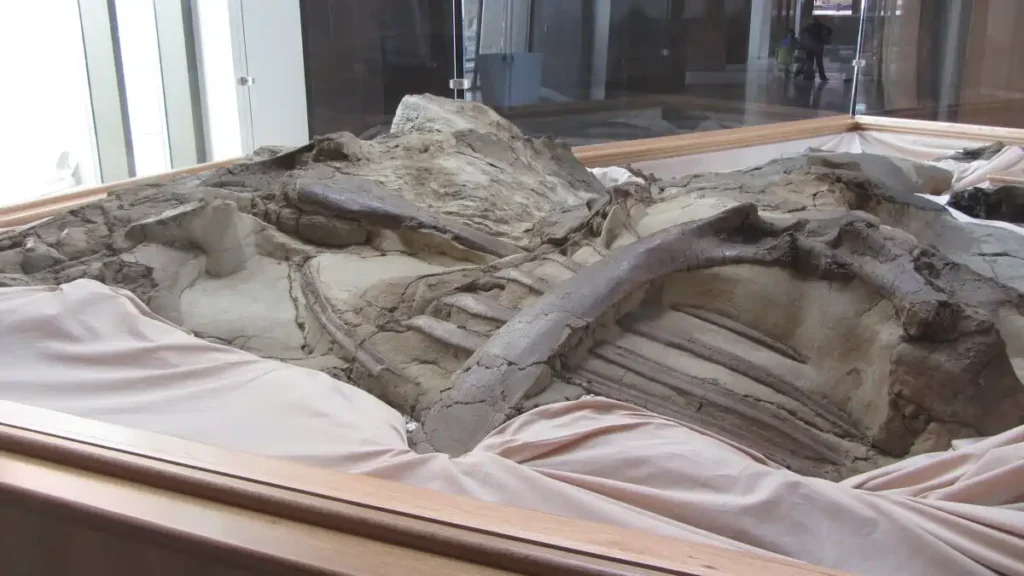
This is the site where Sue the T. rex and Dakota the mummified dinosaur were discovered.
Visitor Tips
- Many areas require permits or guided digs
- Private ranch digs are legal when authorized
- Expect rough terrain and intense sun
Read Also: 10 Most Dangerous Highways in the US – What Makes Them So Deadly?
4. Big Brook Preserve (New Jersey)
Location
Monmouth County, within the suburban forests of New Jersey.
What We Can Find Here
- Shark teeth
- Ammonites
- Belemnites
- Marine reptile fragments
Why It’s Popular
One of the most accessible East Coast USA fossil sites, especially for beginners and families.
Visitor Tips
- Bring sifters and small trowels
- Rubber boots help during high water levels
- The creek is easy to navigate year-round
Read Also: Top 5 Most Vulnerable US Coastal Cities to Climate Change
5. Fossil Butte National Monument (Wyoming)
Location
Southwestern Wyoming, part of the Green River Formation.
What We Can Find Here
- Fossil fish (Knightia, Diplomystus)
- Turtles
- Crocodilians
- Palm fronds
Why It’s Popular
This fossil site contains some of the world’s highest-quality fossil fish specimens—many showcased in museums.
Visitor Tips
- The visitor center has stunning displays
- Check summer dig demonstrations
- Avoid late-winter mud
Read Also: Top 10 Rarest Waterbirds Found in the World: Extraordinary Avian Wonders You’ve Never Seen
6. John Day Fossil Beds (Oregon)
Location
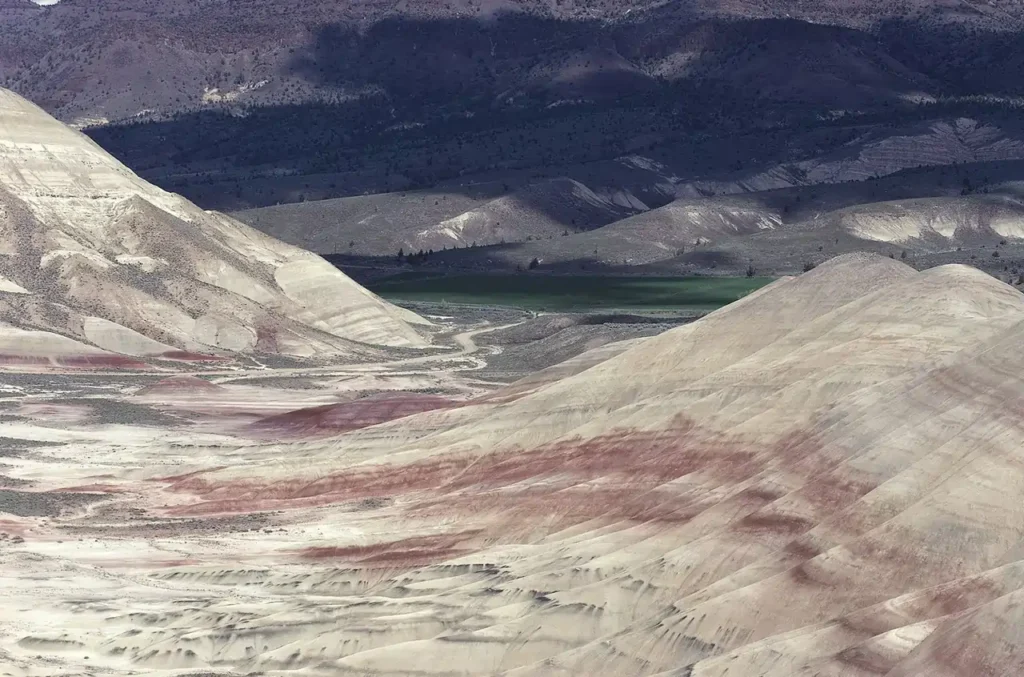
Central Oregon’s Painted Hills and Sheep Rock units.
What We Can Find Here
- Horses
- Rhinos
- Camels
- Saber-toothed predators
Why It’s Popular
USA fossil sites rarely span as many different eras as the John Day—over 40 million years of fossils are found here.
Visitor Tips
- Painted Hills are most photogenic at sunset
- The museum on-site explains each fossil layer
- No collecting allowed (research-only zone)
Read Also: Animals of North America: 20 Astonishing Creatures You Must Discover
7. Badlands National Park (South Dakota)
Location
Southwestern South Dakota’s rugged badlands terrain.
What We Can Find Here
- Oreodonts
- Ancient camels
- Early horses
- Marine invertebrates are deeper in the layers
Why It’s Popular
Badlands is one fossil site where discoveries happen every year, often by visitors reporting their finds.
Visitor Tips
- Summer can be extremely hot
- Attend ranger fossil talks
- Binoculars help spot visible fossils on cliffs
Read Also: Yellowstone National Park: 5 Must-See Geothermal Wonders in Yellowstone National Park
8. Shark Tooth Hill (California)
Location
Near Bakersfield, California.
What We Can Find Here
- Megalodon teeth
- Whale bones
- Marine mammals
- Shark vertebrae
Why It’s Popular
This fossil site is globally recognized for Miocene shark-tooth beds.
Visitor Tips
- Access is often through registered dig programs
- Bring kneepads—digging is hands-on
- Spring visits are ideal
Read Also: 10 Heartbreaking Stories of Endangered Species in California
9. Penn Dixie Fossil Park (New York)
Location
Hamburg, near Buffalo.
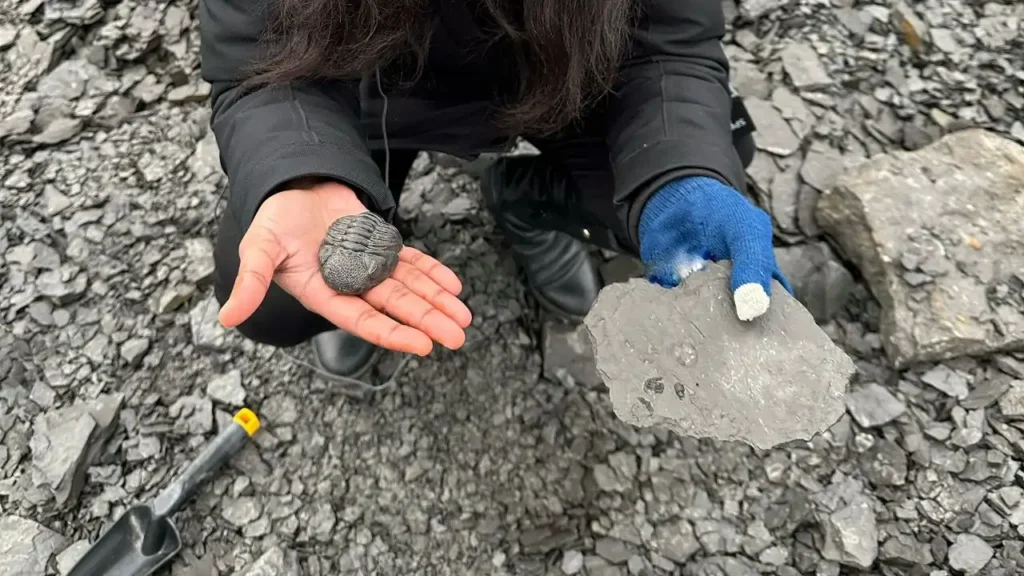
What We Can Find Here
- Trilobites
- Brachiopods
- Crinoids
- Devonian corals
Why It’s Popular
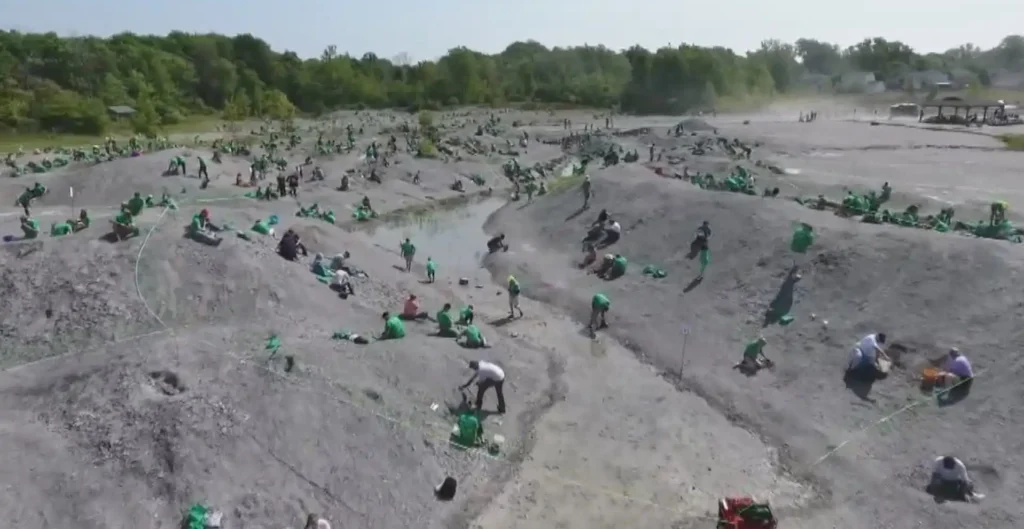
Named the “#1 Fossil Park in the U.S.” for several years running—very beginner-friendly.
Visitor Tips
- Bring a small hammer and eye protection
- Shade is limited—carry water
- Trilobites often appear in clusters
Read Also: 10 Most Thrilling Trekking Routes in the World – Epic Trails for Adventure Seekers
10. Peace River (Florida)
Location
South-central Florida between Arcadia and Wauchula.
What We Can Find Here
- Mammoth teeth
- Mastodon bones
- Giant armadillo fossils
- Shark teeth
Why It’s Popular
Because riverbanks erode quickly, new fossils wash out with every rainy season.
Visitor Tips
- Wear water shoes
- Sifting is required—bring screens
- Always check water levels before entry
Read Also: Top 5 Most Popular and Longest Roads in the US That Will Blow Your Mind
What Types of Fossils Do We Commonly Find in the USA?
Across these USA fossil sites, we typically uncover fossils from:
- Dinosaur fossils (Cretaceous, Jurassic)
- Marine fossils (shark teeth, ammonites, fish)
- Ice Age mammals (mammoths, camels, dire wolves)
- Trilobites and Paleozoic life
- Plant fossils (ferns, leaves, ancient forests)
Understanding the geology helps us predict what fossils will be found at each site.
Beginner’s Guide to Fossil Hunting in the USA
Legal Guidelines
- National parks: no collecting
- National monuments: research-only
- State parks: varies—always check
- Private property: Collecting is allowed with permission
Tools to Bring
- Rock hammer
- Chisel
- Sift screens
- Soft brushes
- Gloves
- Water (& sunscreen)
Ethical Fossil Hunting
- Leave major finds untouched
- Photograph in place
- Report significant discoveries
- Avoid disturbing wildlife or vegetation
Read Also: 10 Unique and Incredible Bridges That Defy Nature
Key Takeaway
America’s fossil heritage belongs to all of us.
Each fossil site we explore helps piece together a chapter of Earth’s ancient story. From colossal dinosaurs to tiny trilobites, every layer of rock invites us to listen more closely to the whispers of time.
Conclusion
Exploring each fossil site reminds us how deeply America’s ancient past is woven into its landscapes. From rugged badlands to quiet riverbeds, the best USA fossil sites offer unforgettable opportunities for fossil hunting and learning. Whether we’re uncovering delicate trilobites or standing before massive dinosaur fossils, every discovery connects us with a world long gone yet still alive in stone.
These remarkable destinations show that a fossil site isn’t just a place—it’s a living classroom. As we continue visiting USA fossil sites, we carry forward the excitement of exploration and the timeless wonder of fossil hunting.
FAQs
1. What is the best fossil site for beginners in the USA?
Penn Dixie Fossil Park is ideal because fossils are easy to spot, the terrain is safe, and tools are available for public use.
2. Can we legally collect fossils in national parks?
No, national parks prohibit fossil collecting. However, adjacent public lands or designated dig sites often allow supervised or permitted collecting.
3. Are dinosaur fossils common on the East Coast?
Not as common as in the West. Most East Coast fossils come from marine environments, including shark teeth and ancient sea creatures.
4. Where can we find Megalodon teeth in the USA?
Florida’s Peace River and South Carolina’s rivers are well-known for large, well-preserved Megalodon teeth found through sifting.
5. Are guided fossil digs worth it?
Yes. Guided digs provide legal access, trained supervision, and better success rates, especially when searching for dinosaur fossils or Ice Age material.

