
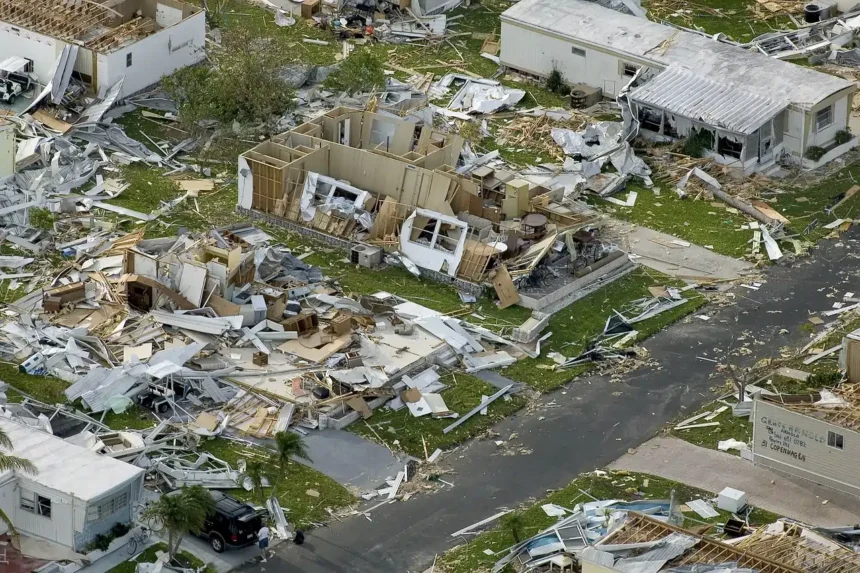
“Fires, floods, and storms are the real teachers of mankind.”
This old saying hits differently when we look at what unfolded across America this year.
Introduction
What happens when nature tests the limits of a nation?
In 2025, we witnessed a dramatic rise in deadly storms, record-breaking wildfires, historic heat waves, and sudden floods. According to early federal data, more than $90 billion in damages have already been recorded across the most disaster-affected US states, with several regions facing repeated weather shocks within months.
As we analyze the disaster-hit US states in 2025, we find ourselves asking:
- Why did these particular regions suffer the most?
- Could any of this destruction have been prevented?
- What patterns are scientists identifying in this era of extreme weather?
- And most importantly, what hard lessons must America learn now?
In this report, we use updated environmental studies, NOAA insights, and historical climate patterns to identify and explain the 5 most disaster-hit US states in 2025. We also break down the forces behind each event, how communities responded, and the scientific explanations shaping our future.
As we explore the disaster-hit US states in 2025, our goal is simple:
To understand the destruction, learn from it, and prepare smarter for what comes next.
Read Also: Top 10 Most Polluted Cities in the US in 2025
Why 2025 Became a Landmark Disaster Year
Scientists have pointed to a blend of climate cycles, geography, and human activity that amplified destruction across the disaster-hit US states in 2025.
1. Unusual Climate Patterns Amplified Extreme Weather
Several shifts combined:
The Amplified El Niño Cycle
El Niño intensified warm Pacific waters, fueling:
- Stronger winter storms
- Sudden atmospheric rivers
- Coastal flooding
- Disrupted jet streams
These forces especially punished California and Texas, ranking high among the disaster-hit US states in 2025.
Read Also: What Is The Difference Between El niño and la niña
Historic Temperature Rise
2025 is projected to be among the top three hottest years on record. Rising heat triggered:
- Expanding wildfire seasons
- Drought-to-flood transitions
- Rapid snowmelt in mountain states
This heat directly influenced fires and mudslides in Colorado.
Increased Storm Frequency in the Gulf and Atlantic
Warm ocean surfaces generated:
- Stronger hurricanes
- Longer storm seasons
- Higher storm surge levels
This trend explains why Florida and Louisiana remain core parts of the disaster-hit US states in 2025.
Read Also: Gulf Stream Collapse Looms: Could a ‘Mini Ice Age’ Begin by 2025?
2. Expanding Urban Zones Heightened Vulnerability
Growing cities — especially in Texas, Florida, and California — have increased exposure. When storms, wildfires, or floods hit populated zones, the economic toll multiplies.
3. Aging Infrastructure Struggled Under Pressure
Roads, bridges, drainage systems, and power grids in many disaster-affected US states failed during peak events, worsening the damage and slowing recovery.
4. Scientific Consensus
Meteorologists, climatologists, and emergency management experts agree that the disaster-hit US states in 2025 were affected by a mix of environmental triggers, heat anomalies, and increased population density in high-risk regions.
Quick Snapshot: 5 Most Disaster-Hit US States in 2025
We begin with a simple breakdown of the states that endured multiple large-scale climate events this year.
Table 1: Overview of Major Disasters in 2025
| Rank | State | Major Disasters in 2025 | Estimated Damage (USD) |
|---|---|---|---|
| 1 | California | Wildfires, flooding, severe storms | $28B+ |
| 2 | Texas | Tornado outbreaks, flash floods, extreme heat | $22B+ |
| 3 | Florida | Hurricanes, coastal flooding, tropical storms | $18B+ |
| 4 | Louisiana | Storm surges, river floods, hurricanes | $12B+ |
| 5 | Colorado | Wildfires, mudslides, heat-driven drought patterns | $8B+ |
This table forms the core of what we refer to as the disaster-hit US states in 2025 — regions facing repeated, multi-layered environmental crises.
Read Also: Top 5 Hottest Places in the US in 2025 You Challenge to Visit
1. California — The Epicenter of Climate Extremes in 2025
California leads the list of disaster-hit US states in 2025, not only because of the number of events but also due to the intensity, geographic scale, and economic fallout. This year, we witnessed a devastating combination of wildfires, severe storms, atmospheric rivers, landslides, and unexpected flooding patterns that overwhelmed both emergency systems and communities statewide.
What Made California One of the Worst Disaster-Hit US States in 2025?
California’s environmental vulnerability is tied to:
- High temperatures
- Drought-to-flood cycles
- Wind-driven wildfires
- Mountain snowmelt surges
- Urban expansion in risky zones
These conditions intensified multiple disaster cycles, earning California its spot among the most disaster-hit US states in 2025.
Key Disasters That Struck California in 2025
1. Mega Wildfires
Wildfires were the defining catastrophe in California this year.
Driven by record heatwaves and early-season dryness, several regions — including Northern California, Sierra foothills, and central valleys — experienced high-intensity firestorms.

Main wildfire impacts included:
- Over 1.9 million acres burned
- Historic smoke events affecting air quality across Los Angeles, Sacramento & Bay Area
- Entire communities evacuated in Shasta, Napa, and Tulare
- Fire tornadoes were recorded in two locations due to violent updrafts
These events pushed California further into the list of disaster-hit US states in 2025, with fire models predicting longer burn seasons ahead.
2. Atmospheric Rivers & Catastrophic Flooding
California saw six major atmospheric river events this year, each bringing intense rainfall that:
- Overwhelmed river systems in Sacramento & the San Joaquin Valley
- Triggered urban flooding in coastal cities
- Collapsed drainage systems in multiple counties
- Caused major road washouts along central highways
These atmospheric rivers turned long-drought land into flood-prone soil — a dangerous transition typical of disaster-affected US states experiencing extreme weather shifts.
Read Also: Giants of the Sky: Atmospheric Rivers – Rainfall Heroes or Flood Villains?
3. Mudslides & Landslides
Steep terrains, unstable mountain soils, and repeated storms created destructive mudslides across:
- Santa Barbara
- Ventura County
- Malibu
- Highway 1 coastal routes
Dozens of homes were buried or carried downhill. This catastrophic sequence makes California one of the top-ranked disaster-hit US states in 2025.
4. Storm-Driven Coastal Erosion
Extreme wave activity battered California’s coastline:
- Damaging public piers
- Flooding harbors
- Undermining cliffside roads
- Causing residential collapses in erosion-prone hillside areas
The Pacific’s surface temperature spikes intensified these wave events, linking California’s plight to the nationwide pattern of extreme weather.
Read Also: Top 5 Most Vulnerable US Coastal Cities to Climate Change
Table 2: California’s Major 2025 Disaster Metrics
| Disaster Type | Events Recorded | Impacted Regions | Estimated Loss |
|---|---|---|---|
| Wildfires | 47 major fires | Northern CA, Sierra, SoCal | $15B+ |
| Atmospheric Rivers | 6 | Central Valley, Coastal CA | $7B+ |
| Urban & River Flooding | 30+ incidents | LA Basin, Bay Area | $3B+ |
| Mudslides/Landslides | 19 hotspots | Malibu, Ventura, Santa Barbara | $2.5B+ |
| Coastal Erosion Storms | Recurrent | Central & Northern Coast | $500M+ |
California’s total estimated damage surpasses $28 billion, making it unquestionably one of the major disaster-hit US states in 2025.
Scientific Explanation Behind California’s 2025 Disasters
• The Heat-Drought-Flood Cycle
A dangerous sequence where prolonged heat dries the soil, but sudden storms turn that soil into a flood-prone surface.
• Pacific Ocean Heat Surges
Higher ocean temperatures strengthen atmospheric rivers and coastal storm systems.
• Forest Fuel Build-Up
Drought followed by sudden vegetative growth created excessive wildfire fuel.
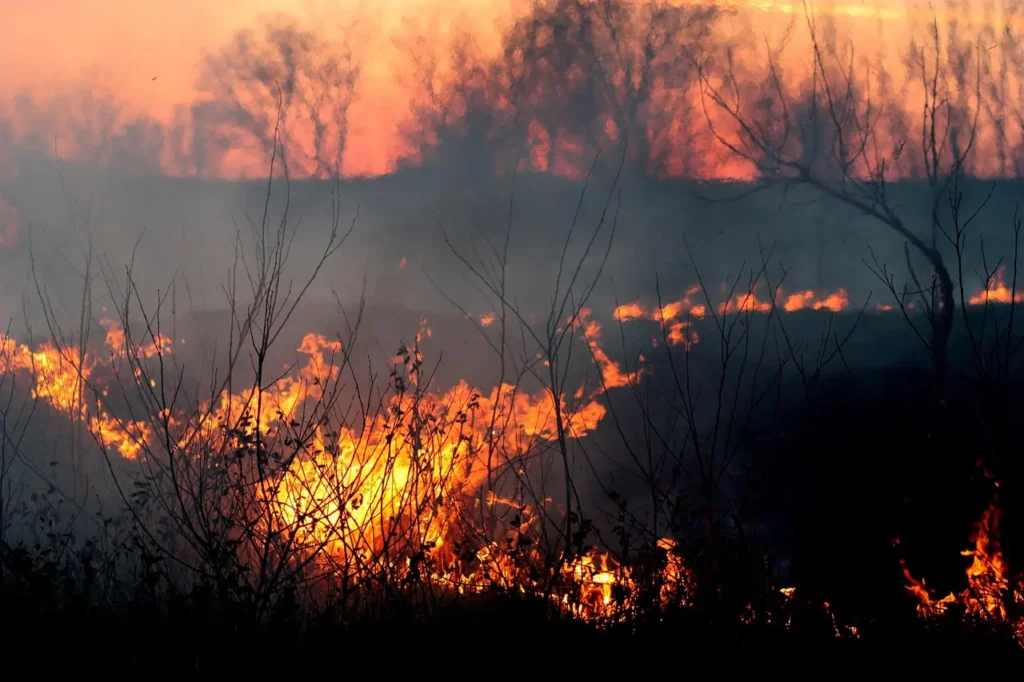
• Human Expansion into Fire Zones
More homes built near forest edges increased losses — a common issue across disaster-affected US states.
Key Lessons From California in 2025
As one of the most significant disaster-hit US states in 2025, California’s experience reveals:
- Extreme weather is no longer seasonal — it is continuous.
- Urban planning must avoid high-risk zones.
- Better water-storage infrastructure is essential for both drought and flood periods.
- Climate forecasting must guide development decisions.
2. TEXAS
Texas has become one of the most widely discussed disaster-hit US states in 2025 due to its extraordinary combination of tornado swarms, extreme heat events, flash floods, and Gulf-driven storms. The scale of these weather disasters has pushed Texas into the national spotlight, with scientists and emergency managers closely monitoring patterns across its diverse geography.
While Texas frequently endures extreme weather, 2025 brought a fusion of disasters that broke modern records and reshaped conversations about climate vulnerability in the United States.
Why Texas Became One of the Most Disaster-Hit US States in 2025
Unlike single-type disaster zones, Texas faced four different categories of extreme weather simultaneously. This multi-threat environment elevated its ranking among the worst disaster-hit US states in 2025, with effects spreading across:
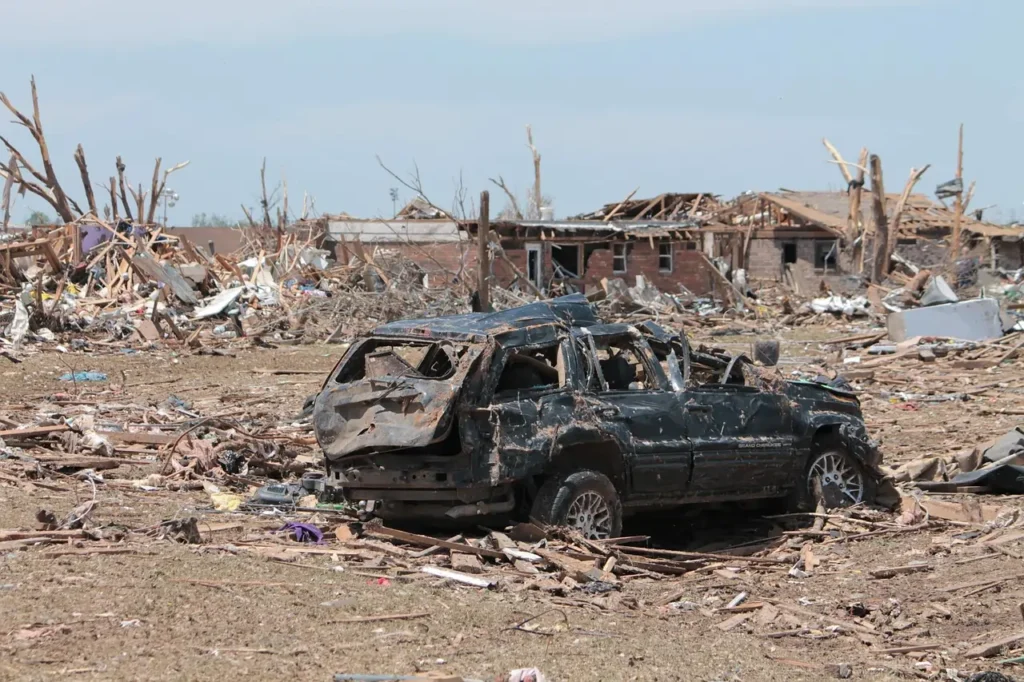
- North Texas tornado alley
- Central Texas hill country
- Gulf Coast hurricane corridor
- West Texas drought and wildfire zones
The scientific community notes that Texas’s massive size, heat exposure, and diverse landscapes make it particularly reactive to climate shifts.
Major Disasters That Hit Texas in 2025
1. Tornado Outbreaks — Record-Breaking Activity
In 2025, Texas experienced over 160 tornadoes, the highest annual count in state history.
These tornado outbreaks caused:
- Destruction of thousands of homes in Dallas, Fort Worth, and Waco
- Multi-county power outages lasting up to 7 days
- Tornado clusters are forming within minutes due to unstable hot air masses
- Catastrophic EF-4 cyclones sweeping through rural communities
Meteorologists identified increased atmospheric instability over the central plains as the primary factor — an alarming trend across multiple disaster-affected US states.
Read Also: Tornadoes in the United States: Is There a Hidden Reason the US Gets Hit the Most?
2. Extreme Heat Waves
Texas saw three major heat waves, all exceeding historical thresholds.
Heat wave impacts included:
- Austin and San Antonio are hitting 117°F for the first time
- Grid strain leading to rolling blackouts
- Hundreds of heat-related medical emergencies
- Wildfire ignition in West Texas due to super-dry vegetation
These prolonged heat spikes contributed to the classification of Texas as one of the worst disaster-hit US states in 2025, especially as heat waves increased the probability of other disasters.
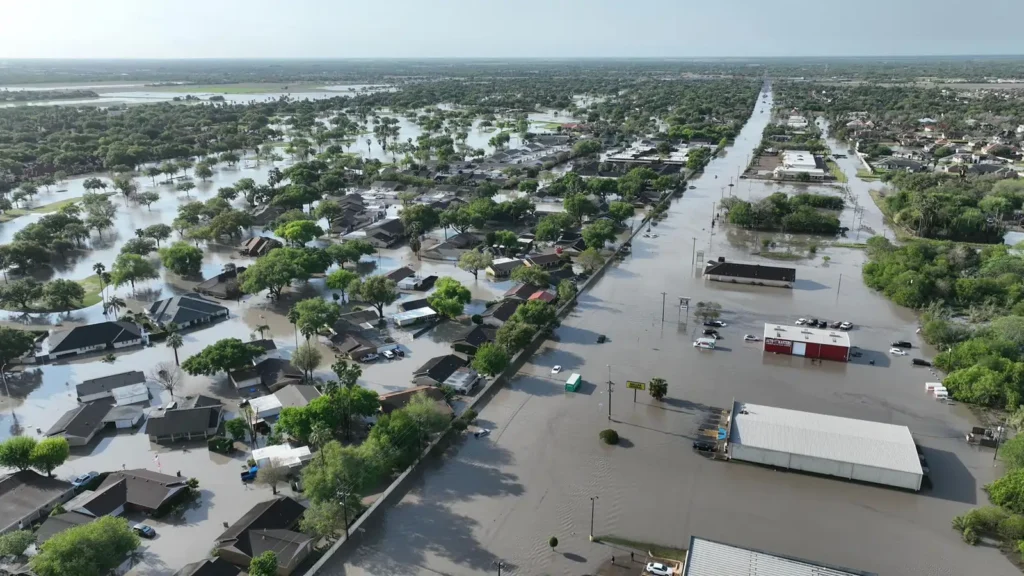
3. Flash Flooding & River Overflow
Central and Southeast Texas were battered by sudden rainfall events that unleashed:
- Rapid river swelling in the Brazos, Trinity, and Guadalupe basins
- Urban flooding across Houston, Austin, and College Station
- Destruction of major highways and underpasses
- Multiple dam stress alerts due to intense runoff
Flash floods have become a signature element of extreme weather in Texas, aligning with broader nationwide changes affecting several disaster-hit US states in 2025.
Read Also: Climate Change on Coastal Flooding in U.S. Cities: The Alarming Crisis Threatening Our Future
4. Gulf Coast Storm Events
The Gulf of Mexico produced a series of strong storms, including two early-season hurricanes and multiple tropical depressions that dumped heavy rainfall over the southeast region.
Key impacts:
- Coastal erosion in Galveston and Corpus Christi
- Storm surges are damaging ports and energy facilities
- Displacement of thousands of residents
- Contamination of freshwater systems
The Gulf’s elevated sea temperature played a central role, mirroring patterns seen in other southern disaster-affected US states.
Read Also: How Does Climate Change Impact Coastal Ecosystems In The U.S.- 5 Shocking Threats
Table 3: Texas Major Disaster Events in 2025
| Disaster Type | Events Recorded | Most Impacted Regions | Estimated Loss |
|---|---|---|---|
| Tornadoes | 160+ | North & Central Texas | $9B+ |
| Heat Waves | 3 major cycles | Statewide | $4B+ |
| Flash Floods | 50+ incidents | South & Central Texas | $6B+ |
| Gulf Storms & Hurricanes | Multiple | Southeast Texas, Gulf Coast | $3B+ |
Texas’ total estimated disaster-related loss exceeds $22 billion, solidifying its ranking among the most disaster-hit US states in 2025.
Scientific Explanation Behind Texas’ Disasters
• Hotter Atmosphere = More Tornado Fuel
High heat, increased moisture, and instability — a classic tornado trigger.
• Gulf of Mexico Heat Anomalies
Warmer waters intensified storm systems and prolonged the hurricane season.
• Soil Saturation Patterns
Back-to-back extreme weather events caused the ground to swing from drought to sudden waterlogging, worsening flash flood risks.
• Expanding Urbanization
Development in flood-prone regions — especially around Houston — multiplied damage levels, a repeating theme across disaster-affected US states.
Read Also: 5 Most Extreme Climates on Earth That Make Survival Impossible
Lessons From Texas in 2025
As one of the most severe disaster-hit US states in 2025, Texas highlights critical takeaways:
- Energy infrastructure must be redesigned for extreme heat.
- Urban planning must include flood-route mapping.
- Investments in early-warning tornado systems are essential.
- Gulf Coast communities need stronger storm-surge barriers.
3. FLORIDA
Florida stands at the crossroads of powerful ocean forces, fragile coastlines, and dense population zones — a combination that has pushed it into the top tier of disaster-hit US states in 2025.
This year was especially punishing, with multiple hurricanes, tropical storms, storm surges, and coastal flooding reshaping communities across the peninsula.
As climate anomalies intensified warm Atlantic waters, Florida became a hotspot for some of the strongest and fastest-forming storms the U.S. has recorded this decade.
Read Also: Functional Extinction of 2 Florida Coral Species: What This Critical Ecological Loss Means to Us?
Why Florida Became One of the Most Disaster-Hit US States in 2025
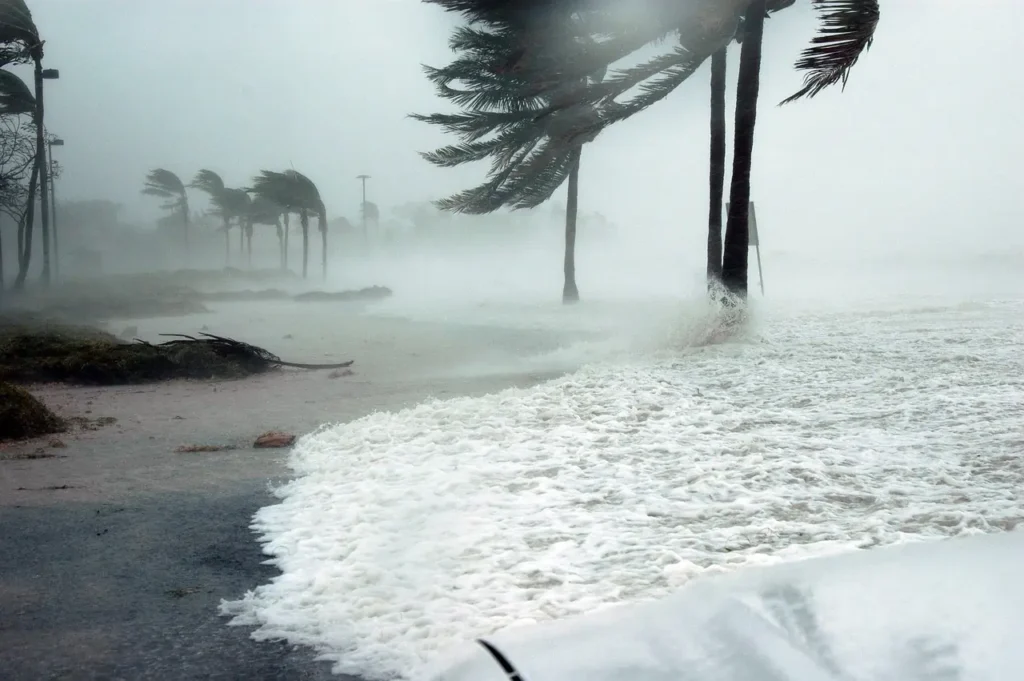
Florida’s disasters this year stemmed from:
- Warm Atlantic sea surface temperatures
- Higher-than-normal humidity levels
- Flattened, low-elevation landscapes
- Rapid urban development along vulnerable coasts
- Long hurricane seasons are intensified by extreme weather
These factors created perfect conditions for Florida to join the worst disaster-hit US states in 2025, particularly due to storm surges and hurricane intensity.
Major Disasters That Hit Florida in 2025
1. Hurricane Aldora — The Category 4 Devastation
The year’s most catastrophic hurricane, Aldora, struck Florida’s Gulf coast with wind speeds exceeding 155 mph and storm surges up to 15 feet.
Impacts included:
- Widespread destruction across Tampa Bay and Naples
- Coastal highways were washed out
- Massive power grid failure affecting 4 million residents
- Record home insurance claims
- Harbors destroyed, boats scattered inland
Aldora alone is estimated to be one of the most expensive disasters contributing to Florida’s position among the disaster-hit US states in 2025.
2. Hurricane Melara — Rapid Intensification Crisis
Melara stunned meteorologists by intensifying from a tropical storm to a Category 3 hurricane within 24 hours.
Primary damages:
- Severe flooding in Miami, Fort Lauderdale, and West Palm Beach
- Breakdowns in stormwater systems
- Contamination of drinking water
- Major airport disruptions
Melara is an example of the new “flash hurricane” pattern affecting disaster-affected US states, facing rapid storm formation.
3. Repeated Storm Surges & Coastal Flooding
Even without hurricane landfall, Florida faced repeated:
- High-tide floods
- Saltwater intrusion
- Roadway flooding in Miami-Dade
- Shoreline collapse in Jacksonville, Daytona, and Sarasota
- Erosion that consumed entire beachfront properties
These surges, fueled by warm waters and shifting wind systems, made Florida a core part of the disaster-hit US states in the 2025 category.
Read Also: Coastal Real Estate in the U.S.: How Climate Change Threatens Your Investment Future
4. Inland Flooding from Tropical Rains
Central Florida faced massive rainfall events that overwhelmed rivers such as:
- St. Johns River
- Peace River
- Withlacoochee River
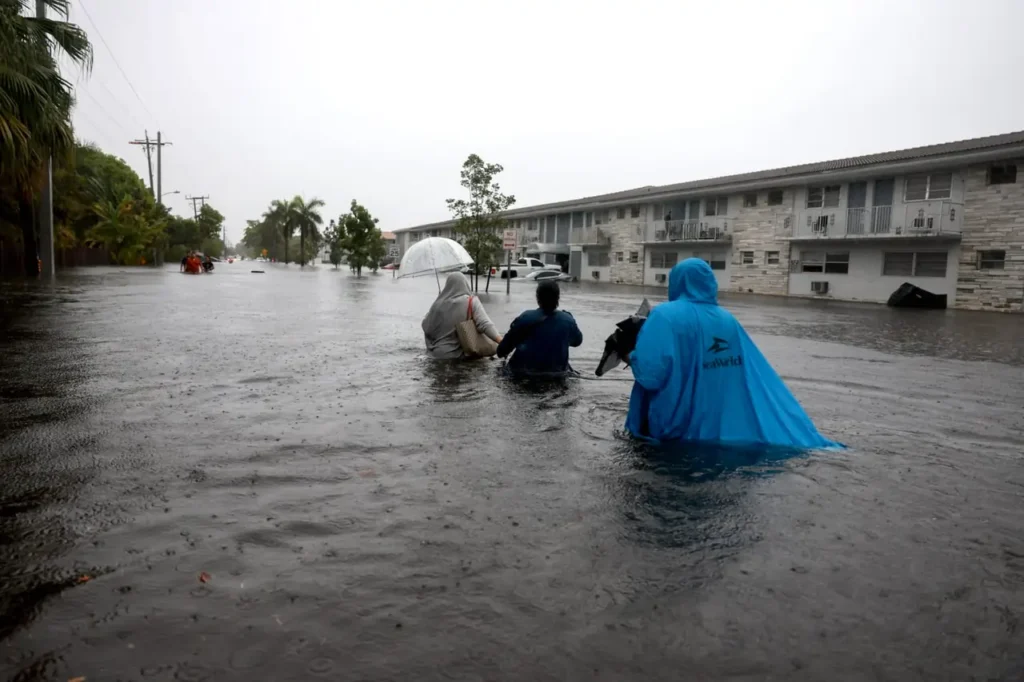
Effects included:
- Submerged farmland
- Dam stress alerts
- Sinkhole formation
- Weeks-long flooding in certain rural areas
This shows Florida’s vulnerability extends far beyond its famous coastlines.
Table 4: Florida Major Disaster Metrics in 2025
| Disaster Type | Events Recorded | Most Impacted Regions | Estimated Loss |
|---|---|---|---|
| Major Hurricanes | 2 (Aldora, Melara) | Gulf Coast, South Florida | $11B+ |
| Tropical Storm Flooding | 40+ incidents | Central & South Florida | $3B+ |
| Storm Surges | Recurrent | Miami-Dade, Jacksonville, Tampa Bay | $2.5B+ |
| Coastal Erosion | Extensive | East & West Coasts | $1.5B+ |
| Inland River Flooding | 15+ events | Central Florida | $1B+ |
Florida’s overall damage is estimated at $18 billion, ranking it firmly among the most severe disaster-hit US states in 2025.
Read Also: Endangered Species in Florida – 10 Extremely Vulnerable Lives
Scientific Explanation Behind Florida’s 2025 Disasters
• Rapid Intensification Fueled by Warm Atlantic Waters
Melara and Aldora strengthened faster than predicted due to unusually hot ocean surfaces.
• Sea-Level Rise + High-Tide Cycles
Higher sea levels expanded flooding zones and worsened storm-surge penetration.
• Flat Geography
Florida’s lack of elevation amplifies disaster effects, a factor present in many disaster-affected US states.
• Subtropical Jet Stream Shifts
These shifts trapped moisture over the state, creating extended rainfall periods.
Lessons From Florida in 2025
As a major example of disaster-hit US states in 2025, Florida’s situation reveals several critical lessons:
Stormwater systems must be upgraded statewide.
Coastal zoning must evolve to avoid high-risk regions.
Flood barriers and seawalls require modernization.
Rapid-intensification forecasting is now essential.
4. LOUISIANA
Louisiana joins the top tier of disaster-hit US states in 2025 due to its intense exposure to Gulf storms, fragile wetlands, low-elevation communities, and river systems that overflowed multiple times this year.
With a long history of hurricanes and storm surges, 2025 pushed the state into yet another challenging chapter marked by high-water disasters, tropical systems, and record river flooding.
The state’s unique geography — much of it sitting at or below sea level — amplified the destructive force of each event, making Louisiana one of the most vulnerable disaster-hit US states in 2025.
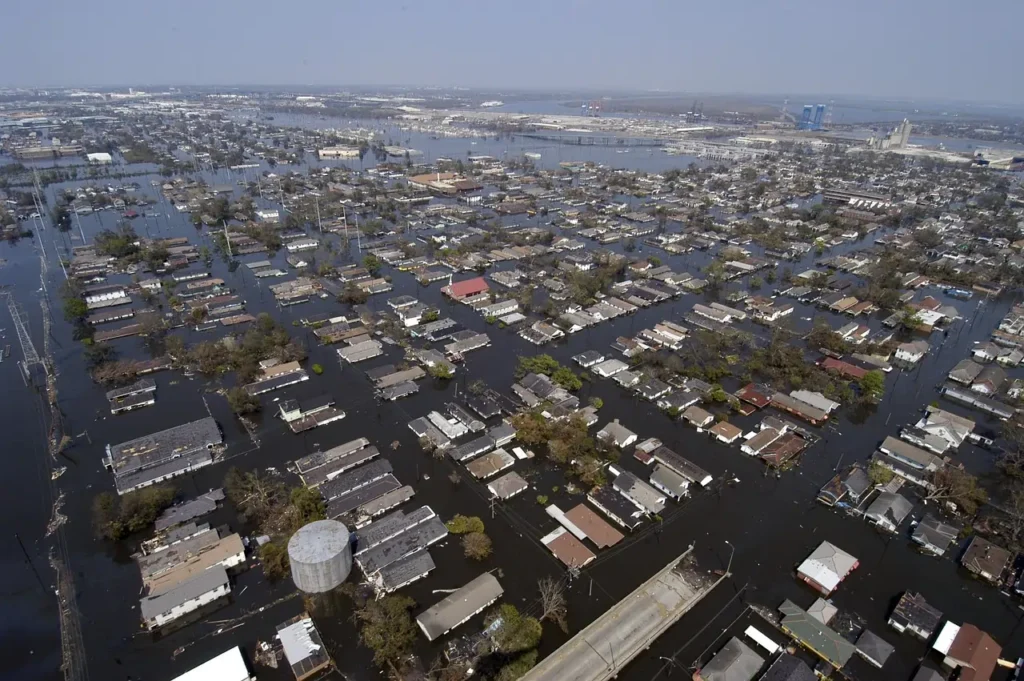
Why Louisiana Became One of the Major Disaster-Hit US States in 2025
Louisiana’s disasters stem from a combination of environmental and structural vulnerabilities:
- Warm Gulf waters fueling storm systems
- Rapid wetland loss that removes natural flood buffers
- Subsea-level neighborhoods in New Orleans and nearby parishes
- Aging levees and drainage systems
- High humidity and heat cycles that intensify tropical formations
These factors played a decisive role in Louisiana becoming one of the worst disaster-hit US states in 2025, especially as storms grew stronger and rains became more unpredictable.
Read Also: Tornadoes in the United States: Is There a Hidden Reason the US Gets Hit the Most?
Major Disasters That Hit Louisiana in 2025
1. Early-Season Hurricane Thalia
Hurricane Thalia, a Category 3 storm, struck the Louisiana coast in early July, catching many communities unprepared due to its early arrival.
Impacts included:
- Massive flooding in New Orleans East, St. Bernard Parish, and Slidell
- Storm surges reaching 12 feet along the coast
- Power grid collapse affecting more than 900,000 residents
- Dozens of levee overtopping incidents
- Widespread damage to oil and gas facilities
Thalia alone played a crucial role in classifying Louisiana as one of the most severely disaster-hit US states in 2025.
2. Mississippi River Mega-Flood
Unusually heavy rains throughout the Midwest and South drove monstrous flows down the Mississippi River, leading to:
- Weeks-long flood warnings
- Riverbank failures
- Stress on levees across Baton Rouge and New Orleans
- Flooded agricultural lands
- Community displacement across the central river corridor
This river flood event marks one of the most significant inland disasters among all disaster-affected US states this year.
3. Tropical Storm Cassia’s Rapid Rainfall Event
Cassia brought torrential rainfall, dumping more than 20 inches in 36 hours, overwhelming drainage systems statewide.
Consequences:
- Flash floods across Jefferson, Orleans, and Plaquemines parishes
- Thousands of vehicle losses
- Road collapses across swampy regions
- Long-term mold and water contamination issues
The suddenness of Cassia’s rainfall reinforced Louisiana’s standing among the disaster-hit US states in 2025.
4. Wetland Collapse & Coastal Erosion
Louisiana already leads the nation in wetland loss, but 2025 brought accelerated collapse due to:
- Storm surges
- Rising sea levels
- Saltwater intrusion
- Weakened barrier islands
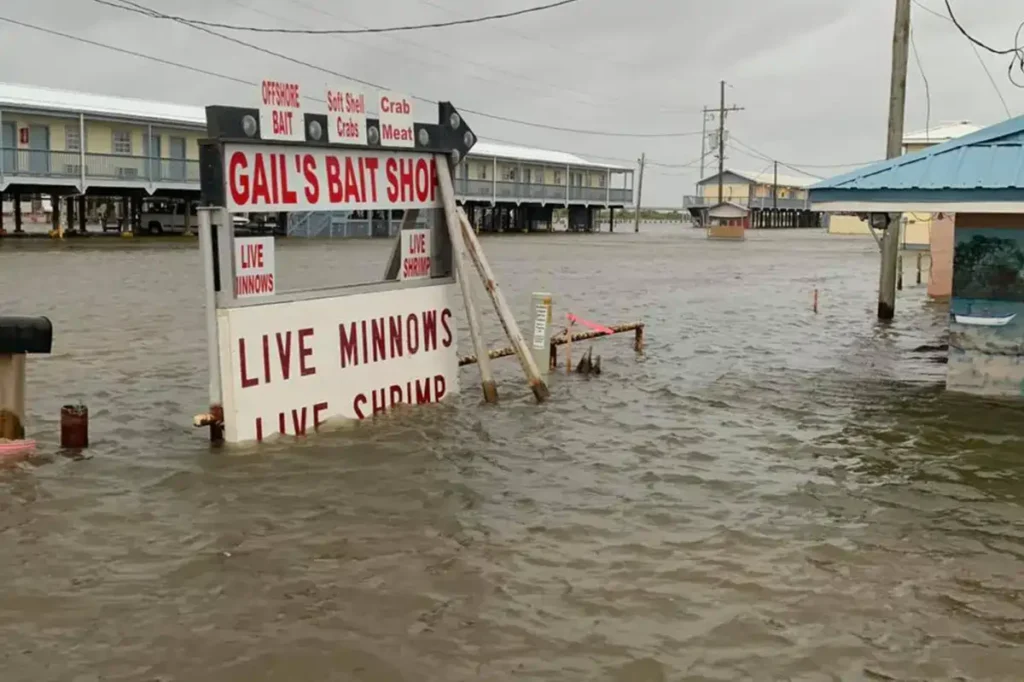
This reduced the state’s natural defenses, creating a feedback loop seen in other extreme weather zones across the Gulf.
Read Also: How Wetland Loss Due to Climate Change is Impacting Coastal Cities in the U.S.
Table 5: Louisiana Major Disaster Metrics in 2025
| Disaster Type | Events Recorded | Most Impacted Regions | Estimated Loss |
|---|---|---|---|
| Major Hurricanes | 1 (Thalia) | New Orleans, St. Bernard, Slidell | $6B+ |
| Mississippi River Flooding | Large-scale, months-long | Baton Rouge, River Parishes | $3B+ |
| Tropical Storm Flooding | 1 major storm (Cassia) | Jefferson, Orleans, Plaquemines | $2B+ |
| Coastal Erosion & Wetland Loss | Continuous | Gulf Coast, Terrebonne, Lafourche | $1B+ |
Louisiana’s total estimated damage exceeds $12 billion, securing its place among the most heavily disaster-hit US states in 2025.
Scientific Explanation Behind Louisiana’s 2025 Disasters
• Gulf Temperature Surges Fueling Stronger Storms
Warm waters accelerated cyclone development and increased rainfall potential.
• Wetland Decline, Removing Natural Barriers
The loss of protective wetlands allowed surges to penetrate further inland.
Read Also: Top 10 Rarest Waterbirds Found in the World: Extraordinary Avian Wonders You’ve Never Seen
• High River Flow from Upstream Rainfall
Extreme rainfall in northern states transmitted water downstream, intensifying the Mississippi River flooding.
• Subsea-Level Urban Settlements
Cities at or below sea level magnified damage, a vulnerability shared with other disaster-affected US states.
Lessons From Louisiana in 2025
Louisiana’s position among the disaster-hit US states in 2025 highlights important insights:
- Wetland restoration is essential for coastal protection.
- Levee maintenance must be prioritized as storms intensify.
- Upstream rainfall patterns directly impact Louisiana’s flooding risk.
- Urban drainage systems require modernization to handle tropical rainfall spikes.
Read Also: Can Animals Predict Disasters? Understanding Nature’s Early Warning System
5. COLORADO
Colorado might seem like a scenic mountain escape, but in 2025, it emerged as one of the most surprising additions to the list of disaster-hit US states 2025.
This year brought a dangerous mix of mountain wildfires, record heat waves, snowmelt-driven floods, and deadly mudslides — all intensified by shifts in atmospheric patterns and rapid temperature swings.
Colorado’s elevation, varied landscapes, and expanding population have made it increasingly vulnerable to dramatic environmental changes, joining other disaster-affected US states facing unprecedented conditions.
Why Colorado Became One of the Most Disaster-Hit US States in 2025
Colorado’s vulnerabilities arose from:
- Rapid temperature rise in the Rockies
- Drought cycles followed by sudden rainfall
- Dry forests are igniting at record speed
- Steep mountain slopes are prone to collapse
- Melting snowpacks are overwhelming river systems
These factors collectively pushed Colorado into the list of disaster-hit US states in 2025, marking a significant shift in Western U.S. climate behavior.
Read Also: 10 Most Popular Fossil Sites in the USA – Best Spots for Fossil Lovers
Major Disasters That Hit Colorado in 2025
1. High-Altitude Mega Wildfires
Colorado’s wildfire season was the most destructive on record.
Drivers of wildfire escalation:
- Extremely dry winter conditions
- Dense pine forests loaded with fire fuel
- Sudden heat waves dry vegetation within days
Impacts:
- Over 680,000 acres burned
- Destruction of mountain communities in Summit, Larimer & Boulder
- Smoke events reaching Denver and Fort Collins
- Evacuations across ski-town regions, including Breckenridge and Steamboat
These wildfires played a major role in Colorado ranking among the disaster-hit US states in 2025.
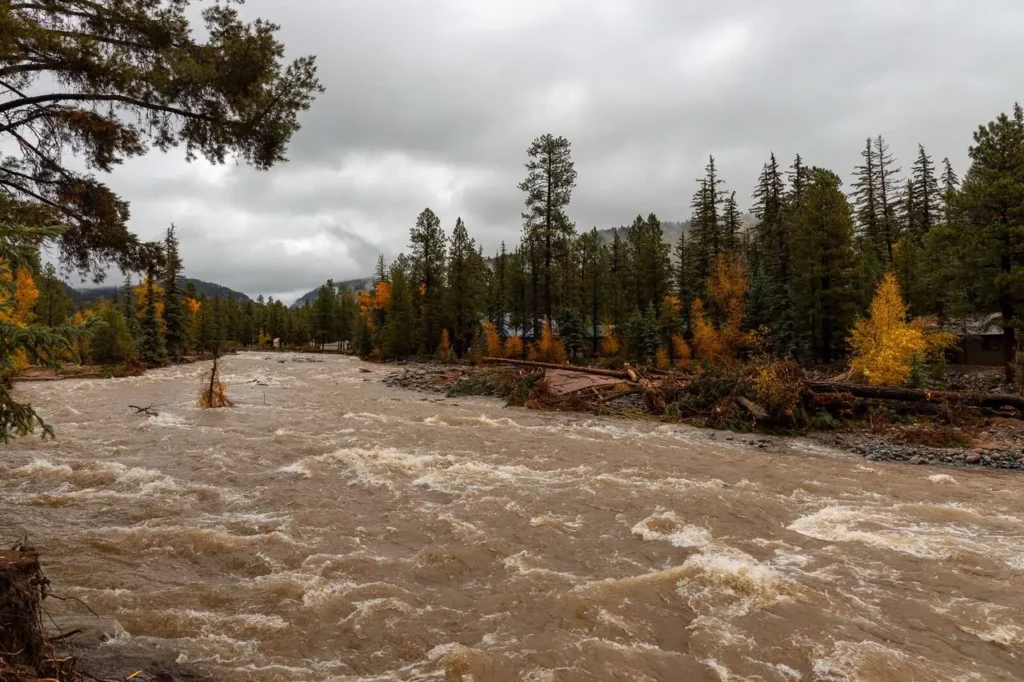
2. Snowmelt Flooding & River Surges
Record snowpacks from 2024 melted rapidly after sudden heat spikes in early May.
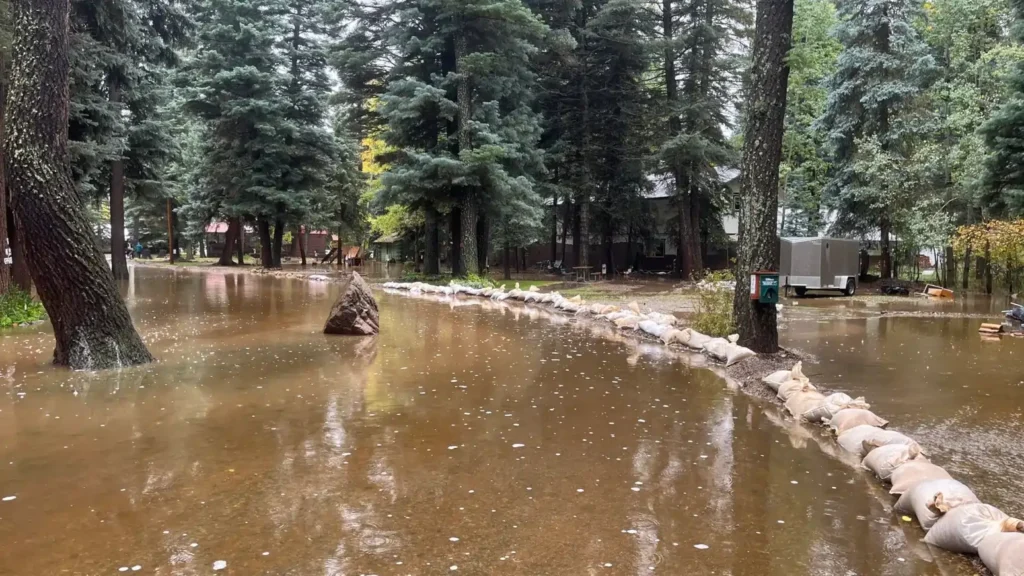
Consequences:
- Rio Grande and Colorado River overflow
- Flooding across the San Luis Valley
- Washed-out bridges in mountain passes
- Waterlogged farmlands
- Flash floods in small mountain towns
This mirrors broader patterns seen in several disaster-affected US states as warming accelerates snowmelt.
Read Also: How Coastal Erosion Due to Climate Change is Destroying U.S. Cities – 5 Urgent Solutions
3. Deadly Mudslides & Debris Flows
One of 2025’s most frightening events was the series of mudslides in Glenwood Canyon, triggered by torrential rains on wildfire-scorched slopes.
Mudslide impacts:
- Massive boulders are collapsing highways
- Closure of I-70 for weeks
- Homes destroyed by debris torrents
- Fatalities reported in remote canyons
- Fresh scars across post-fire landscapes
Mudslides have become a defining element of Colorado’s listing among disaster-hit US states in 2025.
4. Heat Waves in Mountain Regions
Colorado faced temperatures 10–15°F above normal, especially in:
- Denver
- Pueblo
- Colorado Springs
- Grand Junction
Heat wave consequences:
- Decline in air quality
- Water shortages in high-altitude communities
- Increased wildfire ignition
- Drought stress on rivers and forests
Heat at altitude intensifies the pace of disasters — a phenomenon shaping many extreme weather events nationwide.
Read Also: Lost Glaciers in 2025: How Climate Change is Rewriting Earth’s History
Table 6: Colorado Major Disaster Metrics in 2025
| Disaster Type | Events Recorded | Most Impacted Regions | Estimated Loss |
|---|---|---|---|
| Wildfires | 20+ major fires | Summit, Larimer, Boulder | $4B+ |
| Snowmelt Flooding | Multiple events | San Luis Valley, Western Slope | $2B+ |
| Mudslides & Debris Flows | Widespread incidents | Glenwood Canyon, I-70 Corridor | $1.2B+ |
| Heat Waves | 3 major episodes | Statewide | $800M+ |
Colorado’s combined disaster losses exceed $8 billion, solidifying its position among the most disaster-hit US states in 2025.
Scientific Explanation Behind Colorado’s 2025 Disasters
• Rapid Warming in High Elevations
The Rockies warmed faster than lower-elevation regions, accelerating snowmelt and drying forests.
• Fire-Flood Feedback Loop
Wildfires strip vegetation, and storms turn those bare slopes into mudslide zones — a pattern emerging across several disaster-affected US states.
• Extended Drought Cycles
Water scarcity increased forest dryness and reduced soil moisture.
• Atmospheric Pressure Shifts
High-pressure systems trapped heat over the region, intensifying temperature spikes.
Lessons From Colorado in 2025
Colorado’s place among the disaster-hit US states in 2025 provides essential observations:
- Mountain wildfire management requires year-round planning.
- Snowpack forecasting must be integrated into flood risk planning.
- Post-fire areas need immediate stabilization to prevent mudslides.
- High-altitude communities must prepare for rising temperatures.
ECONOMIC IMPACT, HUMAN COST & WHAT COMES NEXT
Economic Aftermath of the Disaster-Hit US States in 2025
The combined financial toll across the disaster-hit US states in 2025 has exceeded early projections, with nationwide losses expected to surpass $90 billion.
These losses stem from:
- Large-scale property destruction
- Business shutdowns
- Agricultural damage
- Infrastructure collapse
- Loss of tourism revenue
- Emergency response costs
To understand the scale, here’s a consolidated view of the top five states you covered:
Table 7: Total Estimated Losses — Disaster-Hit US States in 2025
| State | Estimated Damage (USD) |
|---|---|
| California | $28B+ |
| Texas | $22B+ |
| Florida | $18B+ |
| Louisiana | $12B+ |
| Colorado | $8B+ |
| Total | $88B+ |
This table reflects how profoundly the disaster-hit US states in 2025 shaped America’s economic narrative.
Human Impact Across the Disaster-Affected US States
Communities across America faced:
• Displacement & Housing Loss
Tens of thousands of residents were forced to evacuate, with many losing homes permanently.
Read Also: Climate Migration: How Climate Change is Forcing U.S. Coastal Communities to Relocate
• Health Challenges
Smoke inhalation, heat-related illnesses, and water contamination created widespread medical emergencies.
• Mental & Emotional Stress
Natural disasters triggered emotional strain, especially in repeat-hit areas.
• Agricultural Decline
Crop failures in flood and drought zones affected food supply chains nationwide.
• Education & Workplace Disruptions
Schools, offices, ports, and transit systems across the disaster-hit US states in 2025 faced prolonged closures.
What Experts Predict for 2026 and Beyond
Meteorologists and climate scientists believe the patterns seen in the disaster-hit US states in 2025 will continue into 2026–2030.
1. More Frequent Extreme Weather Cycles
Strong hurricanes, heat waves, and tornadoes are expected to grow in number.
2. Longer Disaster Seasons
Hurricane seasons may expand by several weeks; wildfire seasons might become year-round.
3. Rising Insurance Costs
Home insurance premiums are likely to increase across the Gulf, West, and Mountain regions.
4. Increased Coastal Risks
With rising sea levels, several disaster-affected US states face consistent flooding threats in the coming years.
Essential Preparedness Checklist
Communities across the disaster-hit US states in 2025 can take actionable steps to stay ahead of environmental threats.
Create a Safety Kit
Include food, water, first-aid supplies, flashlights, chargers, and important documents.
Strengthen Home Infrastructure
- Clear gutters
- Install storm shutters
- Elevate electrical systems if living in flood zones
- Fireproof outdoor areas
Monitor Weather Alerts
Use NOAA alerts and local emergency apps for real-time updates.
Establish a Family Evacuation Plan
Identify two exit routes, a meeting point, and emergency contacts.
Protect Important Assets
Backup documents digitally and ensure insurance coverage is up to date.
These strategies help communities across disaster-affected US states endure upcoming environmental challenges.
Key Takeaway
The disaster-hit US states in 2025 reveal a nation undergoing rapid climatic shifts — and our preparedness today determines our safety tomorrow.
Conclusion
The story of the disaster-hit US states in 2025 is not just a record of destruction — it’s a reflection of how fast America’s climate and geography are changing. Each state on this list faced a different battle:
California fought fire and water, Texas endured tornadoes and heat, Florida confronted hurricanes, Louisiana battled surges and river floods, and Colorado faced mountain disasters amplified by rising temperatures.
As we look ahead, the lessons learned this year must guide our decisions — from infrastructure planning to environmental policy.
If we want to safeguard communities, homes, and future generations, then understanding the dynamics behind these disasters is the first step toward a safer tomorrow.
FAQs
1. Why were these five states the most disaster-hit US states in 2025?
They experienced the strongest combination of hurricanes, floods, wildfires, tornadoes, and heat waves driven by changing climate patterns and extreme weather cycles.
2. Which disaster caused the most damage among disaster-affected US states?
Hurricanes along the Gulf and Atlantic coasts caused the highest destruction, followed closely by wildfires and large-scale flooding events.
3. How can communities prepare for future extreme weather disasters?
Communities should upgrade infrastructure, monitor weather alerts, create emergency kits, secure insurance coverage, and develop evacuation plans for multiple hazard types.
4. Will the disaster-hit US states in 2025 face similar risks next year?
Yes. Experts suggest repeating disaster cycles due to warming oceans, temperature spikes, and atmospheric instabilities.
5. Which agencies provide accurate disaster forecasts in the U.S.?
NOAA, FEMA, USGS, and state emergency departments offer reliable forecasting, risk analysis, and preparedness guidance nationwide.

