
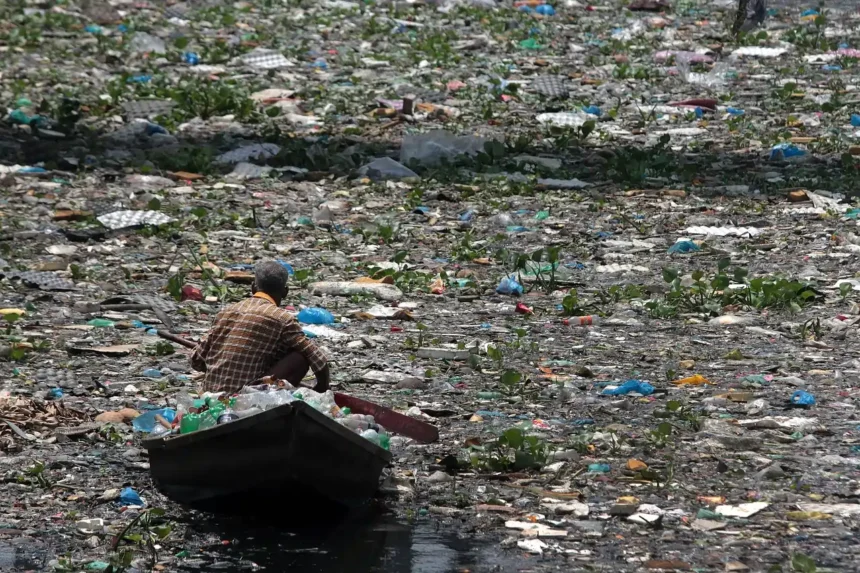
“A river is more than an amenity, it is a treasure.” — Justice Oliver Wendell Holmes
Yet today, many of these “treasures” are turning into toxic lifelines.
Rivers have shaped civilizations, fed empires, transported goods, and nourished entire ecosystems. But in our modern age, these same rivers are choking under the weight of plastics, chemicals, sewage, and industrial discharge. As we examine the most polluted rivers in the world, we’re not just looking at environmental disasters — we’re looking at the consequences of our global habits.
In this guide, we explore the world’s most polluted rivers, analyze what’s destroying them, and break down the science behind the water pollutants affecting billions of people. We also address an uncomfortable question:
If rivers shaped our past, what will we inherit if we destroy them now?
With that in mind, let’s dive into the most polluted rivers in the world and understand what’s killing them.
Read Also: 10 Most Polluted Countries in the World in 2025
What Makes a River Polluted?
Before we discuss the world’s most polluted rivers, we need to understand what qualifies a river as “polluted.” Pollution is rarely caused by one factor; it’s usually a lethal cocktail of multiple stressors.
Below are the major contributors:
Industrial Waste
Industries discharge untreated or partially treated chemicals — dyes, solvents, heavy metals, oils — directly into rivers. These water pollutants can remain for decades in sediments and fish tissue.
Domestic Sewage
In many developing nations, 80% of sewage enters rivers untreated, causing bacterial contamination, oxygen depletion, and unsafe water for millions.
Agricultural Runoff
Fertilizers, pesticides, and livestock waste trigger algal blooms, poison aquatic life, and create hypoxic “dead zones.”
Plastic and Solid Waste
Plastic bottles, bags, microplastics, and floating debris clog river systems, affecting both flow and biodiversity.
Read Also: Plastic Rocks – A Dreadful Nuisance of Plastic Pollution in 2024
The 5 Most Polluted Rivers in the World
Below are the most polluted rivers in the world — representing a global crisis that spans four continents.
1. Citarum River, Indonesia
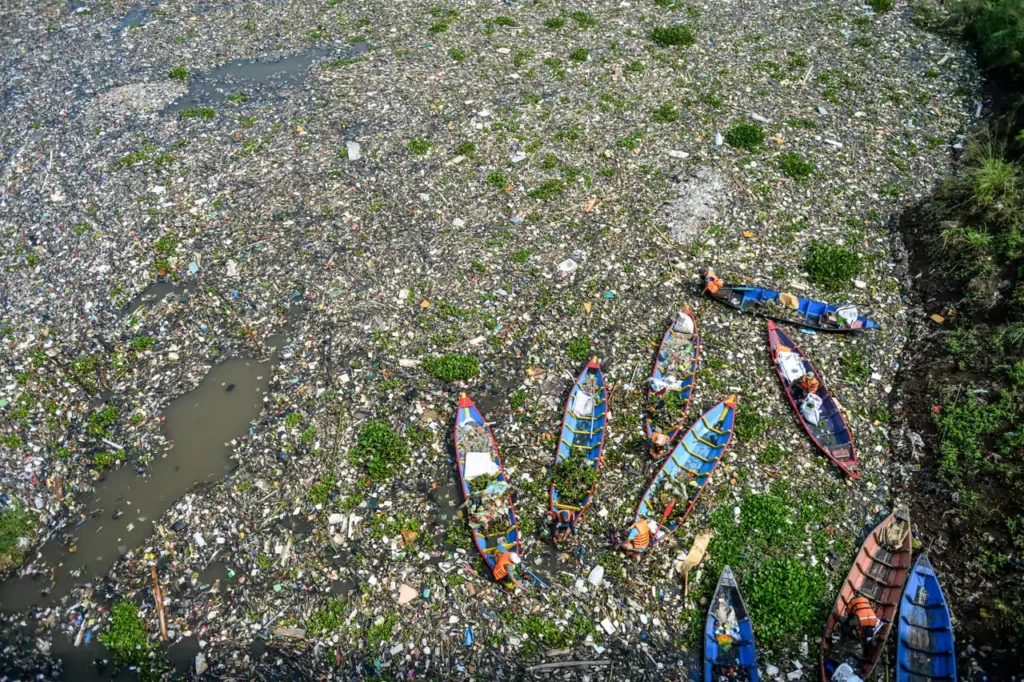
Often labeled the number one among the most polluted rivers in the world, the Citarum River is both a lifeline and a tragedy. Nearly 35 million people depend on it for irrigation, electricity, and drinking water — yet it is saturated with water pollutants at unimaginable levels.
Why the Citarum Became One of the World’s Most Polluted Rivers
a) Toxic Industrial Discharge
Over 2,000 factories, including textile and chemical plants, line the riverbanks. They release dyes, heavy metals like chromium and mercury, and solvents directly into the water. These substances accumulate in sediments and biomagnify through fish and crops, threatening public health.
b) Household Waste & Urban Overflow
Because waste collection is limited, local communities often dump plastics, batteries, and even electronics into the river.
c) Agricultural Chemicals
Rice fields around West Java rely heavily on fertilizers and pesticides, which wash into the river during monsoons.
d) Lack of Environmental Enforcement
For decades, regulations existed only on paper. Without monitoring, illegal dumping continued uninterrupted.
Environmental & Human Impact
- Nearly all fish species have disappeared
- Waterborne diseases are rampant
- Microplastic concentration is among the world’s highest
The Citarum remains a painful symbol of how rapid industrialization can overwhelm natural ecosystems.
Read Also: Why is water pollution an emerging Global Crisis?
2. Ganges River, India
The Ganges is one of the most polluted rivers in the world, yet it also holds deep spiritual importance. More than 400 million people depend on it — making it one of Earth’s most culturally significant waterways.

What’s Polluting the Ganges?
a) Untreated Sewage
Almost 3 billion liters of sewage flow into the Ganges daily, with only a fraction treated. This creates dangerous levels of bacteria such as E. coli.
b) Religious Offerings & Cremation Ashes
Flowers wrapped in plastic, statues, and cremation remains enter the river during rituals.
c) Industrial Waste
Leather tanneries, paper mills, and metal workshops along Kanpur and Varanasi release chromium, arsenic, lead, and chemical sludge.
d) Agricultural Runoff
Fertilizers and chemical pesticides from the fertile plains wash into the river every monsoon.
A Historic River at Risk
Though massive cleanup programs such as Namami Gange are underway, the Ganges’ sheer size makes restoration a generational challenge.
Read Also: Why Urbanization Contributes to Pollution- 5 Alarming Facts About It
3. Yamuna River, India
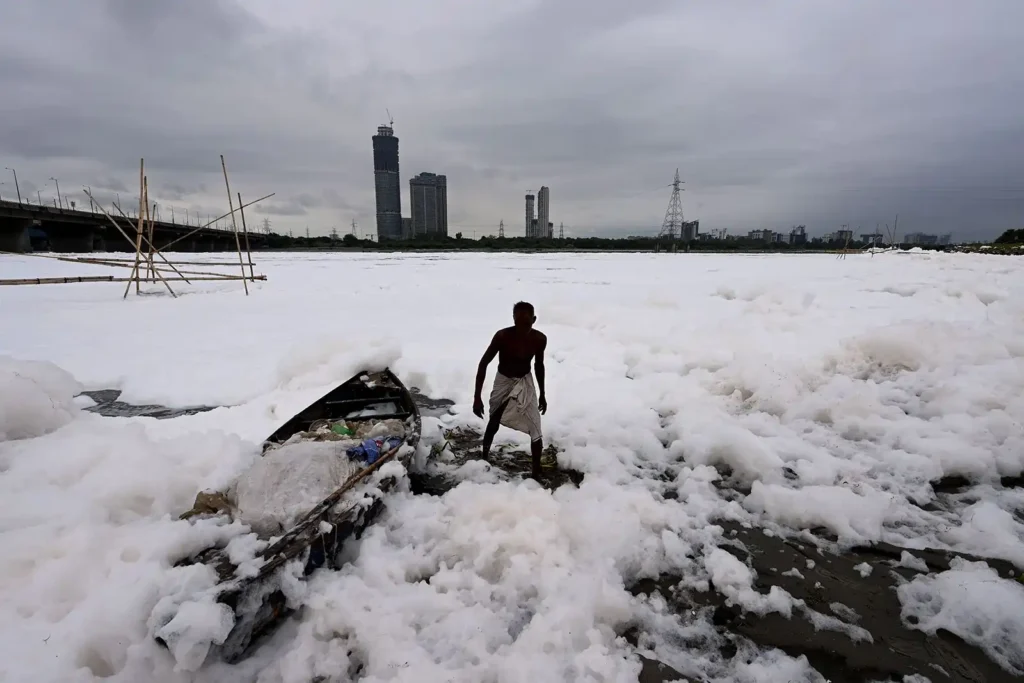
A tributary of the Ganges, the Yamuna is often considered one of the world’s most polluted rivers due to the extreme contamination found in the Delhi stretch.
How the Yamuna Became One of the Most Polluted Rivers in the World
a) Sewage Inflow
Nearly 70% of Delhi’s untreated sewage enters the Yamuna. This contributes to thick foam and toxic sludge.
b) Industrial Effluents
Factories release chemical dyes, lubricants, oils, and heavy metals.
c) Solid Waste Dumping
Plastic bags, medical waste, and construction debris create surface mats that block oxygen exchange.
d) Seasonal Flow Reduction
During summer, the river loses its natural flow, concentrating toxins and worsening water quality.
Health & Ecological Fallout
The river is unsafe for bathing, irrigation, or fishing. The contamination creates hostile conditions for aquatic organisms.
Read Also: Top 10 Rarest Waterbirds Found in the World: Extraordinary Avian Wonders You’ve Never Seen
4. Yellow River, China
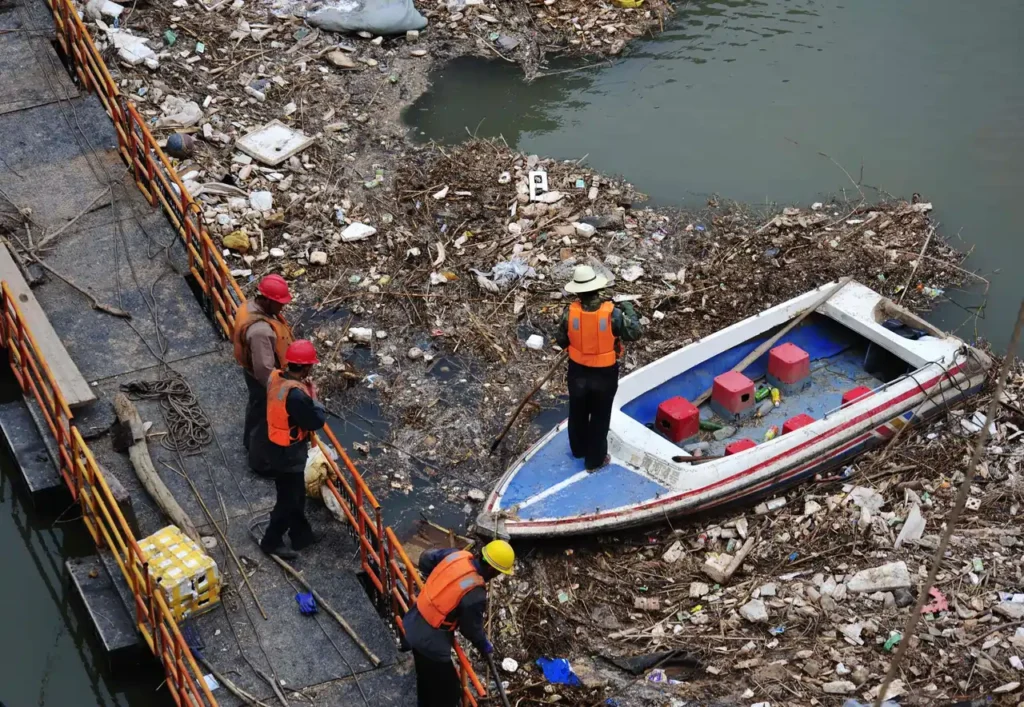
Once called the “cradle of Chinese civilization,” the Yellow River is now one of the most polluted rivers in the world, burdened by industrialization and agricultural expansion.
What’s Killing the Yellow River?
a) Industrial Contamination
Chemical factories, refineries, and coal operations dump ammonia, nitrates, and toxic metals into the river.
b) Agricultural Runoff
China’s agricultural belt uses massive amounts of fertilizers and pesticides. These seep into groundwater and wash into the river.
c) Mining Activities
Mining debris introduces cadmium, lead, and mercury — some of the most harmful water pollutants known.
d) Reduced Water Flow
Overuse for irrigation reduces the river’s self-purifying ability.
Consequences
Certain sections are classified as “Grade V” in China’s water classification — meaning unfit for any human contact.
Read Also: Unveiling the Mystery of Giant Sinkholes: Ancient Forests Hidden in China’s Heavenly Pits
5. Mississippi River, USA
The Mississippi is not always listed among the most polluted rivers in the world, but in terms of scale, it is one of the largest pollution systems affecting North America.
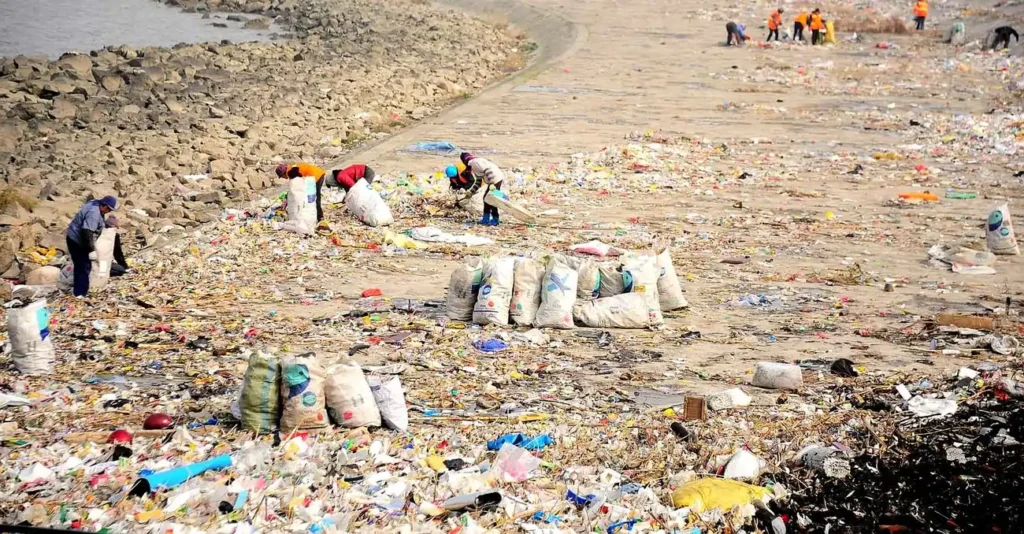
Why the Mississippi Is One of the World’s Most Polluted Rivers
a) Agricultural Runoff
The American Midwest — the nation’s agricultural powerhouse — flushes nitrogen and phosphorus into the river. These chemicals flow into the Gulf of Mexico, creating one of the world’s largest dead zones.
b) Industrial Discharge
Factories along the river release petroleum residues, solvents, heavy metals, and chemical additives.
c) Urban Wastewater
Cities like St. Louis, Memphis, and New Orleans contribute stormwater runoff, microplastics, and sewage overflow.
d) Plastic Waste
Tons of plastic bottles, fishing equipment, and packaging accumulate in the river and wetlands.
Read Also: Top 10 Most Polluted Cities in the US in 2025
Key Pollutants in Each River
| River | Country | Main Pollutants | Severity Level |
|---|---|---|---|
| Citarum | Indonesia | Plastics, dyes, metals | Extreme |
| Ganges | India | Sewage, metals, plastics | High |
| Yamuna | India | Sewage, chemical waste | Extreme |
| Yellow River | China | Metals, ammonia, nitrates | High |
| Mississippi | USA | Fertilizers, plastics, petroleum waste | Fertilizers, plastics, and petroleum waste |
Detailed Pollutant Breakdown
| Pollutant Type | Description | Long-Term Impact |
|---|---|---|
| Heavy metals | Mercury, lead, cadmium | Brain damage, cancer |
| Sewage | Organic waste, bacteria | Disease outbreaks |
| Plastics | Microplastics | Food chain contamination |
| Pesticides | Organophosphates | Hormone disruption |
| Nitrates | Fertilizers | Algal blooms, dead zones |
Global Impacts of River Pollution
When we study the most polluted rivers in the world, the effects go far beyond the riverbanks. These waterways influence global health, ecosystems, climate patterns, and national economies. The world’s most polluted rivers serve as warning signs of what happens when river pollution and unchecked water pollutants overwhelm natural systems.
Impact on Health
One of the most alarming consequences of the most polluted rivers in the world is the direct threat to human health. Exposure to contaminated water leads to millions of cases of cholera, typhoid, dysentery, and skin infections annually.
The world’s most polluted rivers contain water pollutants such as heavy metals, untreated sewage, microplastics, and industrial chemicals. When these pollutants enter drinking water or irrigation systems, they compromise food safety and public health.
In many developing regions, families relying on contaminated sources face long-term illnesses that strain healthcare systems and weaken community well-being.
Read Also: How Does Pollution Affect Animals? – 5 Tragic Effects
Impact on Ecosystems
The most polluted rivers in the world also devastate ecosystems. Excessive river pollution depletes dissolved oxygen, leading to massive fish kills and the collapse of aquatic biodiversity. Toxic water pollutants settle into riverbeds, affecting plant growth and disrupting entire food chains.
The world’s most polluted rivers often become biological dead zones where native species cannot survive, ultimately destabilizing regional ecological balance.
Impact on Climate
Few people realize that the most polluted rivers in the world also influence climate change. Organic waste and industrial chemicals release methane and nitrous oxide — greenhouse gases far more potent than carbon dioxide.
As river pollution increases, so does the emission of these harmful gases, making the world’s most polluted rivers contributors to global warming.
Impact on the Economy
Finally, the economic cost of the most polluted rivers in the world is staggering. Polluted waterways reduce crop yields, damage fisheries, increase healthcare costs, and threaten tourism. Industries dependent on clean water face rising treatment expenses.
In many countries, the world’s most polluted rivers hinder development and slow economic growth, proving that river pollution is not just an environmental issue — it is an economic burden carried by entire nations.
Read Also: How to Visit the 7 Wonders of the World – Your Ultimate Travel Blueprint
Solutions to Revive the World’s Most Polluted Rivers
Reviving the most polluted rivers in the world isn’t just an environmental goal — it’s a global necessity. As the world’s most polluted rivers continue to deteriorate from unchecked river pollution and rising levels of water pollutants, our solutions must be multi-layered, science-driven, and community-supported.
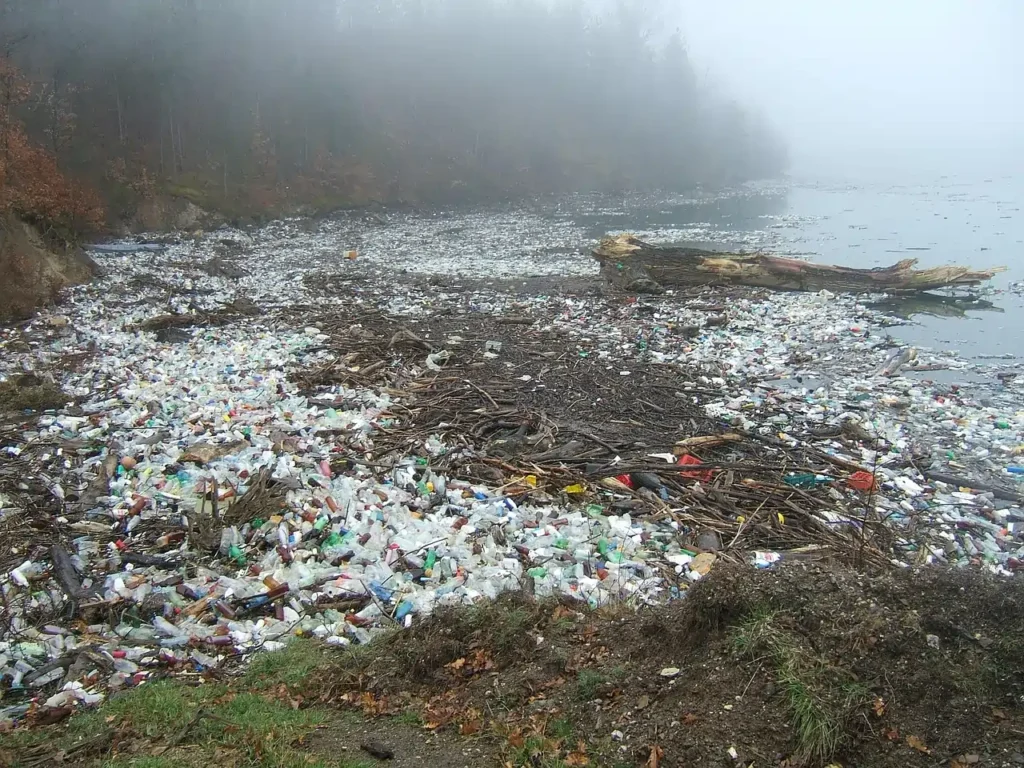
Below, we explore the four essential pillars required to restore damaged waterways and protect future generations.
Policy Enforcement
Strong environmental governance is the backbone of any successful river restoration strategy. To save the most polluted rivers in the world, governments must enact and strictly enforce regulations targeting industrial effluents, hazardous chemical discharge, and unprocessed sewage.
Many of the world’s most polluted rivers became contaminated due to weak policies, irregular monitoring, or outdated laws that allowed toxic waste to flow freely.
Stricter fines, mandatory treatment plants, continuous water-quality audits, and transparent public reporting of water pollutants can drastically reduce river pollution.
When governments take the lead, industries and municipalities are compelled to comply, creating a domino effect toward cleaner waterways.
Community Involvement
No law can succeed without public cooperation. Communities living near the most polluted rivers in the world play a crucial role in driving change. Through awareness campaigns, local clean-up drives, and household-level behavioral shifts, residents can significantly reduce water pollutants entering rivers.
In many regions, the world’s most polluted rivers are surrounded by densely populated settlements where poor waste disposal habits accelerate river pollution. Encouraging recycling, discouraging open dumping, and promoting eco-friendly rituals or daily practices can strengthen long-term recovery. When people feel ownership, they protect their river.
Read Also: Climate Migration: How Climate Change is Forcing U.S. Coastal Communities to Relocate
Technological Interventions
Modern environmental engineering offers powerful tools to reverse damage in the most polluted rivers in the world.
Bioremediation uses microorganisms to break down harmful water pollutants, restoring ecological balance naturally.
Floating wetlands absorb chemicals, heavy metals, and excess nutrients, making them ideal for some of the world’s most polluted rivers suffering from fertilizer-driven river pollution.
Additionally, AI-powered sensors, automated water filtration systems, and innovative wastewater recycling technology can reduce contamination at both industrial and municipal levels.
These science-backed solutions help detoxify rivers faster and more sustainably.
Corporate Responsibility
Industries are major contributors to river pollution, so corporate accountability is essential. To rehabilitate the most polluted rivers in the world, companies must adopt cleaner production practices, reduce toxic discharge, and treat wastewater before release.
Green supply chains, transparent audits, and investment in eco-friendly technology are steps that industries can take to reduce water pollutants. When corporations recognize their role in protecting the world’s most polluted rivers, meaningful progress becomes possible.
Key Takeaway
The most polluted rivers in the world tell a shared story: rapid development without environmental responsibility leads to long-term damage. If we act now — with science, policy, and community involvement — some of these rivers can recover within our lifetime.
Conclusion
As we reflect on the most polluted rivers in the world, one truth becomes clear: rivers mirror human choices. They carry our waste, our chemicals, our plastics — but they also carry our history, culture, and identity.
Whether it’s the Mississippi flowing through the American heartland or the Ganges winding through South Asia, every river deserves protection. Their survival is intertwined with ours. If we want cleaner water, safer ecosystems, and a sustainable future, the path forward begins with awareness — and continues with action.
FAQs
1. Why are the most polluted rivers in the world becoming worse each year?
Because of industrial growth, poor waste management, and rising populations overload natural purification systems.
2. Which pollutants are most damaging to the world’s most polluted rivers?
Heavy metals, sewage, plastics, and agricultural chemicals cause long-term ecological destruction.
3. How can we help reduce river pollution in our daily lives?
By reducing plastic use, supporting cleanup programs, and choosing environmentally responsible products.
4. Why should Americans care about the most polluted rivers in the world?
Because polluted rivers affect global food chains, climate, trade, and human health.
5. Can severely polluted rivers actually recover?
Yes. With strict policy enforcement, modern technology, and community involvement, river ecosystems can rebound.

