
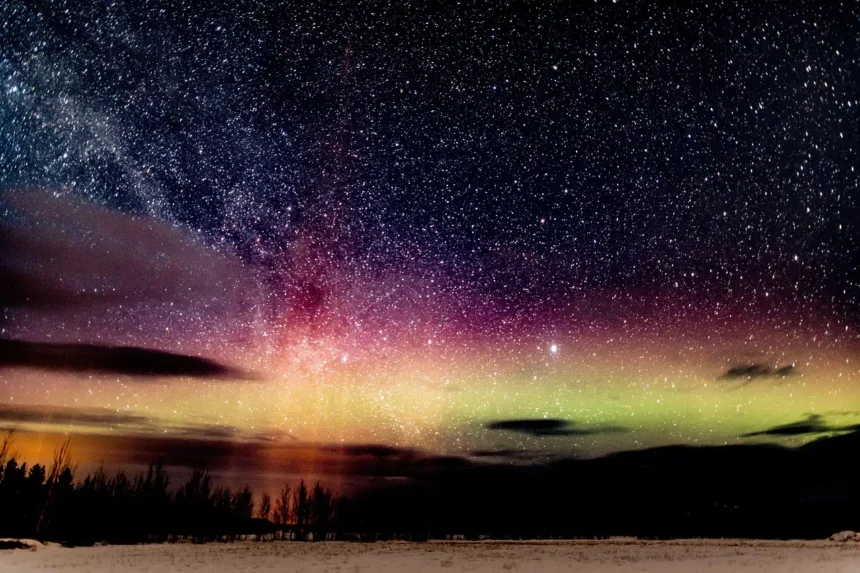
“The earth has music for those who listen.” — George Santayana
Every year gifts us a handful of wonders, but 2026 stands apart. It’s a year written in the stars — literally — with cosmic alignments, atmospheric displays, marine spectacles, and geological phenomena set to unfold across North America. For those of us who crave amazing natural events, 2026 feels like the universe is extending a personal invitation.
As travel interest in rare natural events rises across the United States, millions are planning their 2026 bucket list around meaningful, science-rich, nature-centered experiences. NASA forecasts enhanced solar activity. Oceanographic models anticipate unusual marine behavior. Climate patterns hint at synchronized wildlife migrations not seen in years.
In this extended guide, we explore 15 of the most extraordinary natural events happening across North America in 2026 — each with its own science, magic, and memory-making power.
Buckle up. It’s going to be a spectacular year.
Read Also: Top 10 Weirdest Looking Natural Structures That Will Blow Your Mind
15 Amazing Natural Events in 2026
1. The 2026 Total Lunar Eclipse (March 3, 2026)
A total lunar eclipse is one of the most visually haunting, amazing natural events—and in 2026, North America sits in the perfect viewing zone. On March 3rd, the Moon will slip through Earth’s umbral shadow, transforming into a deep, rusty-red sphere known as a Blood Moon. This eclipse is expected to be one of the longest of the decade, giving us plenty of time to witness the transition from silver to crimson.
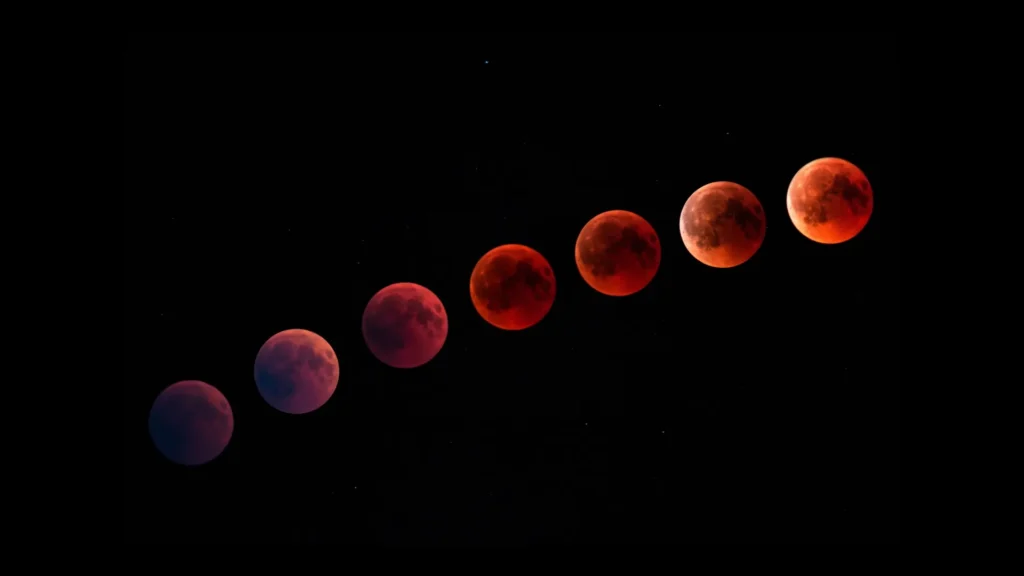
Unlike solar eclipses, lunar eclipses are safe to view with the naked eye. The color comes from sunlight refracting through Earth’s atmosphere — the same process that creates red sunrises and sunsets, but projected across the lunar surface. This phenomenon has been recorded in Indigenous American calendars and early colonial astronomy reports.
For 2026, sky watchers in the U.S., Canada, and Mexico will enjoy full visibility. Rural areas and national parks will offer the clearest views. Since it occurs in late winter, the cold, crisp air will sharpen contrast and visibility.
Table 1: 2026 Total Lunar Eclipse Overview
| Detail | Information |
|---|---|
| Date | March 3, 2026 |
| Visibility | Full across North America |
| Peak Time | Around 2:00–3:00 AM EST |
| Best States | Montana, Arizona, Utah, Maine, Alaska |
| Type | Total Lunar Eclipse |
Read Also: Don’t Miss the Total Lunar Eclipse 2025: Nature’s Epic Light Show
2. Mars Opposition 2026 (Feb 19–20, 2026)
Mars will shine brighter in 2026 than it has in years, offering a rare celestial moment. A “Mars Opposition” occurs when Mars and the Sun line up on opposite sides of Earth. During this alignment, the Red Planet becomes larger, brighter, and more detailed for Earth-based observation.
For sky lovers, this is one of the amazing natural events worth staying up late for. Under dark skies, Mars will appear almost jewel-like, glowing a vibrant orange-red. Through binoculars, its disc becomes visible. Through amateur telescopes, dust storms and polar ice caps may be detectable—something astronomers treat as a rare privilege.
This particular opposition is special because Mars will be closer than usual, creating exceptional brightness levels. Locations in the Southwest and high-desert regions will deliver the most dramatic views due to low light pollution and stable air density.
Table 2: Mars Opposition 2026 Facts
| Detail | Information |
|---|---|
| Date | Feb 19–20, 2026 |
| Closest Approach | ~62 million miles |
| Best Viewing Time | Midnight–3 AM |
| Best States | Arizona, New Mexico, Colorado, Nevada |
| Equipment Needed | None; telescope optional |
Read Also: Detecting Life on Mars: A Breakthrough in Space Research
3. Leonid Meteor Outburst (Nov 17–18, 2026)
The Leonids are famous for producing meteor storms—not just showers—every 33 years. While 2026 isn’t expected to produce a full storm, astronomers forecast a mini-outburst with potential rates of 200–300 meteors per hour.
That’s far above normal years and qualifies as one of the most electrifying, amazing natural events of the year.
Leonids originate from Comet Tempel–Tuttle. In 2026, Earth crosses a dense dust trail left by the comet in the 1600s, increasing the likelihood of a meteor spike. These meteors are known for being bright, fast, and producing long-lasting vapor trails.
Ideal conditions: cold, dry, moonless skies — all expected during the 2026 peak.
Table 3: Leonid Outburst Predictions
| Detail | Information |
|---|---|
| Peak | Nov 17–18, 2026 |
| Expected Rate | 200–300 meteors/hr |
| Best Viewing Time | 2–5 AM |
| Best States | Texas, Kansas, Nevada, Oregon |
| Origin | Comet Tempel–Tuttle |
Read Also: Top 10 Latest Astronomical Discoveries in March 2025
4. The Great Comet C/2025 A1 (Feb–Mar 2026)
Comet C/2025 A1, discovered in early 2025, has astronomers excited. Early brightness models suggest it may become a naked-eye comet in 2026 — something that happens only once every few years.
If brightness predictions hold, Comet C/2025 A1 will produce a glowing tail visible just after sunset or before dawn. For many Americans, this will be their first chance to see a comet without telescopes.
This event ranks high among amazing natural events because of its unpredictability. Comets can flare unexpectedly or fade without warning. But early data suggests 2026 will be a “flare year.”
Table 4: Comet C/2025 A1 Overview
| Detail | Information |
|---|---|
| Peak Visibility | Feb–Mar 2026 |
| Viewing Conditions | Best in dark sky rural regions |
| Best States | New Mexico, Nevada, Utah, California |
| Brightness Potential | Naked-eye visibility possible |
| Direction | Western Horizon |
5. Solar Maximum Auroras Deep Into the U.S. (Jan–Apr 2026)
During solar maximum — a roughly 11-year cycle — the Sun becomes hyperactive, releasing intense magnetic storms. These storms strike Earth’s magnetosphere and produce auroras.
The 2025–26 solar maximum is predicted to be one of the strongest in two decades.
This means auroras may be visible as far south as Colorado, Nebraska, Indiana, and Ohio — areas that rarely see northern lights.
Witnessing auroras in mid-latitude states qualifies as one of the extremely rare natural events of the decade.
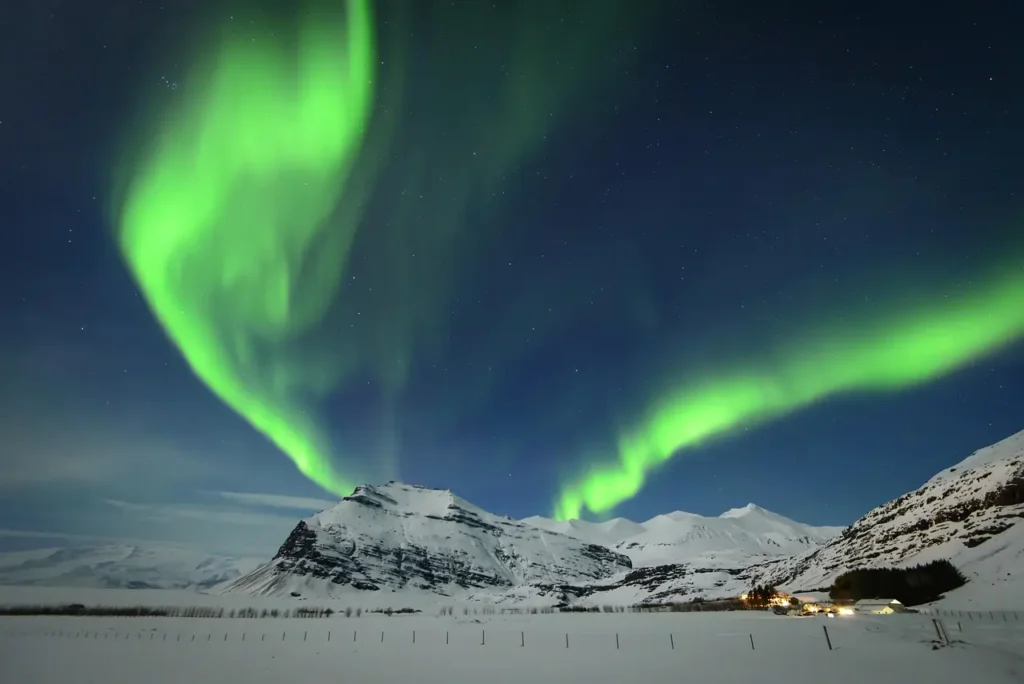
Table 5: 2026 Aurora Outlook
| Detail | Information |
|---|---|
| Active Window | Jan–Apr 2026 |
| Best Viewing | Solar storm nights (KP index 6+) |
| Best States | MN, WI, MI, ND, SD, MT; occasional IL, IN, OH |
| Causes | Solar flares + geomagnetic storms |
Read Also: 6 Best Places to See the Northern Lights
6. The Annular Solar Eclipse (Feb 12, 2026)
The “Ring of Fire” eclipse of February 2026 will sweep across the Western United States, delivering a beautifully thin halo of sunlight around the Moon. Unlike a total solar eclipse, the Moon doesn’t fully cover the Sun.
This particular eclipse passes through some of America’s most iconic landscapes, making it one of the most photogenic and amazing natural events of 2026.
Table 6: 2026 Annular Eclipse Path
| State | Visibility |
|---|---|
| California | Strong |
| Nevada | Center-line |
| Utah | Center-line |
| Colorado | Partial-to-annular |
| Arizona | Strong |
| New Mexico | Strong |
Read Also: Why does Solar Eclipse Not Happen Every Month? | Let’s Talk Geography
7. El Niño–Triggered Bioluminescent Blooms (California Coast)
The 2025–26 El Niño is expected to intensify plankton blooms, causing bioluminescent waves along the California coast. These neon-blue waves appear when dinoflagellates emit electric-blue light as water movement disturbs them.
This phenomenon is especially common in Southern California but is predicted to extend unusually far north — possibly reaching Monterey and San Francisco.
Bioluminescence events rank among the most surreal and amazing natural events due to their neon glow and unpredictability.
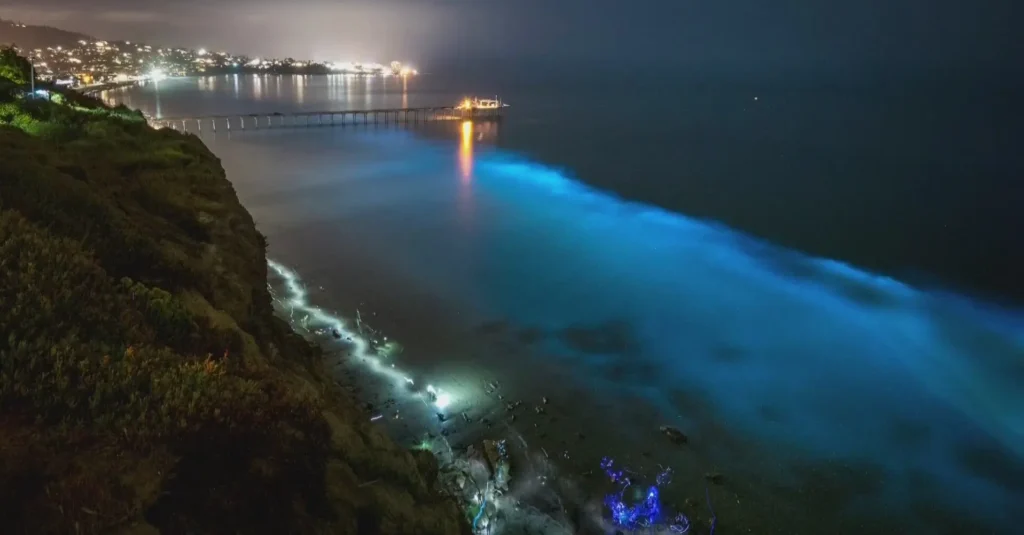
Table 7: 2026 Bioluminescent Predictions
| Detail | Information |
|---|---|
| Peak | Apr–Aug 2026 |
| Best Beaches | San Diego, Malibu, Laguna, Santa Cruz |
| Causes | El Niño warming + plankton concentration |
| Visibility | Night only |
Read Also: What Is The Difference Between El niño and la niña
8. Yellowstone Steamboat Geyser Active Phase
Yellowstone’s Steamboat Geyser — the largest active geyser on Earth — entered a hyperactive cycle in 2018. Scientists expect this pattern to continue into 2026.
An eruption can shoot boiling water more than 300 feet high, dwarfing Old Faithful. The intervals are unpredictable, making this one of the most thrilling rare natural events in the USA.
Table 8: Steamboat Geyser Facts
| Detail | Information |
|---|---|
| Location | Yellowstone National Park, WY |
| Height | Up to 300 ft |
| Activity Pattern | Unpredictable but frequent since 2018 |
| Peak Season | Spring–Fall |
Read Also: 5 Alarming Threats to Thermal Pools at Yellowstone National Park from Tourists Throwing Coins
9. The Atlantic Sardine Run (East Coast)
Every spring, sardines surge north along the Atlantic coastline, drawing dolphins, whales, pelicans, and sharks. This marine migration spectacle is less publicized than Africa’s version, but it happens yearly in the U.S.
In 2026, ocean scientists predict a larger-than-average migration due to temperature anomalies.
Table 9: Atlantic Sardine Run
| Detail | Information |
|---|---|
| Peak | May–July 2026 |
| Best States | North Carolina, Virginia, Maryland |
| Best Viewing | Whale-watching boats |
| Type | Marine Migration |
Read Also: Extinct No More! Galápagos Rail Returns to Floreana After 200 Years—A Conservation Triumph!
10. Desert “Superbloom” (CA, AZ, NV)
Heavy winter rainfall predicted during the 2025–26 El Niño could trigger a major superbloom in Western deserts. Millions of wildflowers may blanket usually barren landscapes.
These blooms occur only when rainfall, sunlight, wind, and soil conditions align — making them some of the most ephemeral, amazing natural events in the United States.
Table 10: 2026 Superbloom Forecast
| Detail | Information |
|---|---|
| Peak | Feb–Apr 2026 |
| Best Locations | Death Valley, Anza-Borrego, Mojave Desert |
| Flower Types | Desert gold, primrose, lupine, verbena |
Read Also: Desert Food Web: Uncover the Secrets of Life in Extreme Environments
11. Popocatépetl “Blue Fire” Nights (Mexico)
Popocatépetl Volcano near Mexico City has shown increased sulfur flow, producing rare blue flames at night — similar to Indonesia’s famous Ijen Volcano.
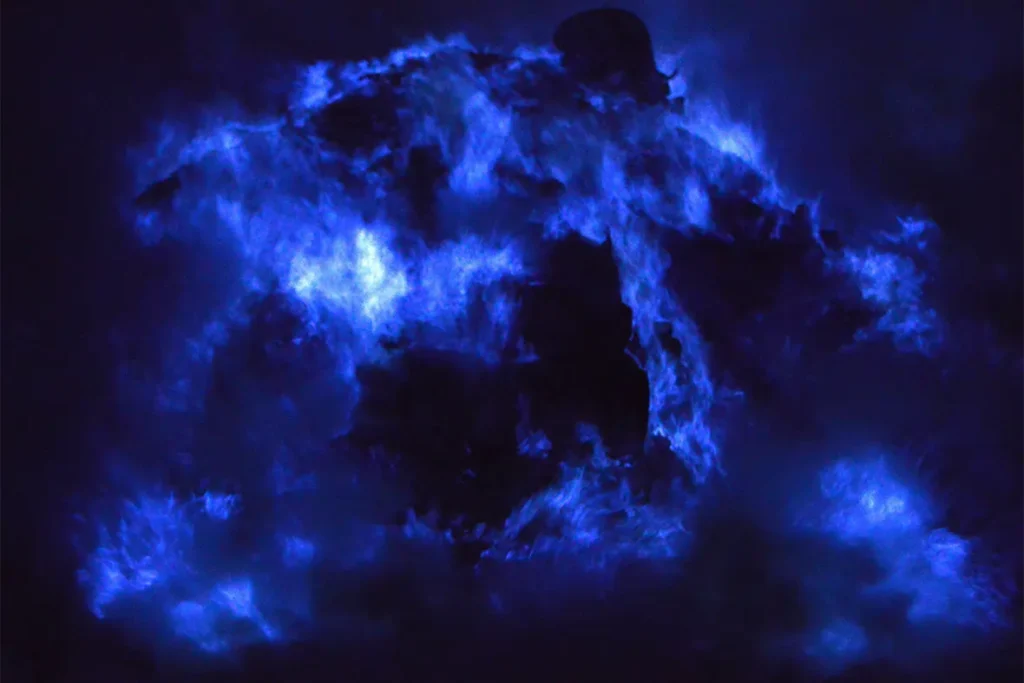
In 2026, volcanologists predict continued activity, creating mesmerizing scenes of electric-blue magma gases glowing in the dark.
Table 11: Blue Fire Event
| Detail | Information |
|---|---|
| Activity Window | Jan–May 2026 |
| Viewing | From safe, designated zones |
| Cause | Combustion of sulfuric gases |
| Region | Central Mexico |
Read Also: 7 Largest and Most Dangerous Volcanoes by Continent You Should Fear
12. Great Lakes Ice Caves (Winter 2025–26)
Forecast models indicate the 2025–26 winter may bring prolonged freezing temperatures, allowing the return of the legendary Apostle Islands Ice Caves.
These crystal-blue caves form only when Lake Superior freezes solid — a phenomenon that last occurred fully in 2014.
Table 12: Ice Cave Conditions
| Detail | Information |
|---|---|
| Location | Wisconsin |
| Freeze Requirement | 10+ weeks sub-zero temps |
| Best Viewing | Feb 2026 |
| Access | On-foot (frozen lake) |
Read Also: You Won’t Believe What’s Happening to Lakes Around the World! The Shocking Truth Revealed!
13. Record Whale Migrations (Pacific Coast)
Migration maps show an increase in Pacific whale populations. With shifting currents, gray whales, humpbacks, and blue whales will migrate close to the California, Oregon, and Washington coastlines.
2026 may deliver the highest whale counts in decades.
Table 13: Whale Migration Peaks
| Detail | Information |
|---|---|
| Peak Season | Jan–Apr 2026 |
| Best States | WA, OR, CA |
| Viewing Types | Shoreline + boat tours |
| Species | Blue, humpback, gray |
Read Also: Shocking Discovery: Humpback Whales Homosexuality Caught on Camera for the First Time
14. The 2026 Planet Parade (May 2026)
Five planets will align visibly to the naked eye in a pre-dawn “planet parade,” a striking astronomical formation occurring roughly every few years.
Table 14: Planet Parade Lineup
| Planets | Visibility |
|---|---|
| Mercury | Horizon |
| Venus | Brightest |
| Mars | Mid-height |
| Jupiter | High |
| Saturn | Faint but visible |
Read Also: Surprising Secrets: Lesser-known facts about planets and moons
15. Circumhorizontal Arc “Fire Rainbow” Season (Summer 2026)
These rainbow-colored wispy arcs form when sunlight refracts through high-altitude ice crystals. Summer 2026 will bring ideal atmospheric conditions for wide arcs across the southern U.S.
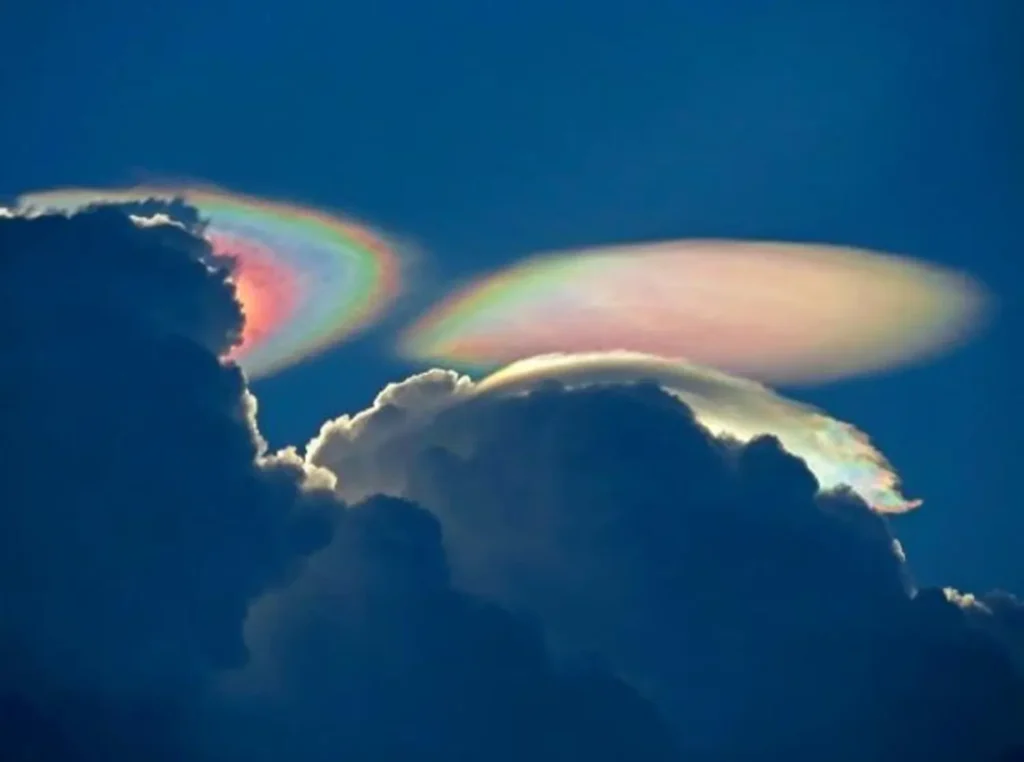
Table 15: Fire Rainbow Details
| Detail | Information |
|---|---|
| Peak | June–Aug 2026 |
| Best States | TX, NM, AZ, FL |
| Requirements | High sun angle + cirrus clouds |
Read Also: Top 10 Most Beautiful Waterfalls in the World – Ultimate Travel Guide
Conclusion
When we look at the lineup, it’s clear that 2026 is truly a landmark year for amazing natural events. From the heavens to the oceans, deserts to ice fields, North America will host some of the most breathtaking, scientifically significant, and soul-stirring natural spectacles of our lifetime.
Building your 2026 bucket list around these rare natural events means embracing curiosity, exploration, and a deeper connection to the planet.
The Earth is putting on a show —
And we get front-row seats.
FAQs
1. What are the most amazing natural events happening in 2026?
Major sky shows, marine glows, eclipses, auroras, and rare wildlife migrations.
2. Are these rare natural events suitable for family travel?
Yes, most events are family-friendly with proper planning and guided support.
3. Which U.S. states offer the best natural events in 2026?
States like California, Alaska, Wyoming, Montana, and Florida offer top experiences.
4. Do I need special equipment to enjoy these natural events?
Basic gear helps, but many events are stunning with unaided eyes.
5. When is the best time to see multiple natural events in 2026?
January through August offer the highest concentration of major natural spectacles.

