
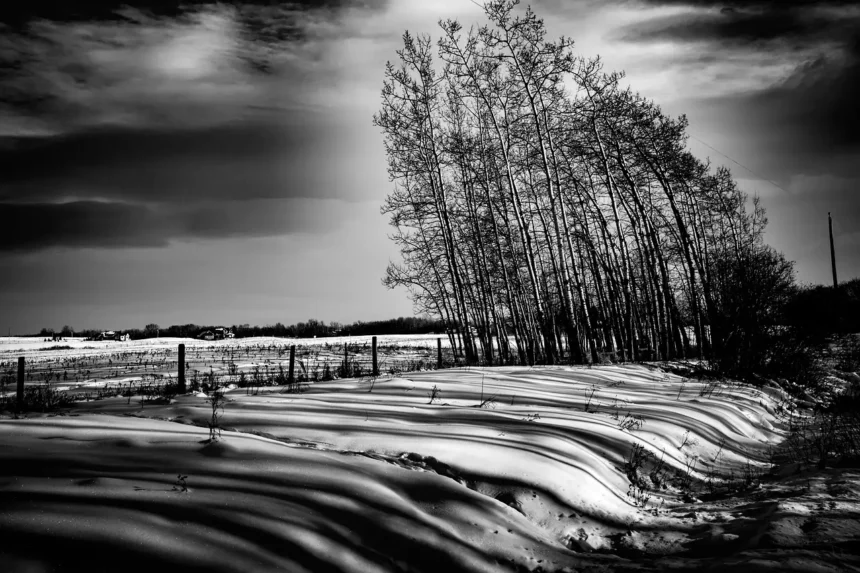
“There was a desert wind blowing that night. It was one of those hot, dry Santa Anas that come down through the mountain passes and curl your hair and make your nerves jump and your skin itch.” – Raymond Chandler
These memorable words of Chandler are a reminder of how fiercely North American local winds can shape our landscapes, influence our moods, and transform entire ecosystems overnight.
But what exactly are the effects of the local winds of North America, and why are they becoming more intense in our era of shifting climate patterns?
Are they merely weather quirks, or are they powerful forces that determine wildfire seasons, agricultural cycles, and even the way cities plan for safety and growth?
In this article, we explore the major local winds of North America, their dangers, their unexpected benefits, and the science that explains why they’re so influential in the USA. We also examine how these winds — from Santa Ana to Chinook to Nor’easters — play a biologically, environmentally, and historically significant role in shaping daily life.
Let’s break it down scientifically, but in language we all can understand.
Introduction
Every year, the United States experiences dramatic weather moments driven not by global currents but by smaller, more powerful regional systems: local winds.
From the dry heat of California to the icy blasts of the Rockies, these winds leave an undeniable fingerprint on the continent.
Did you know?
- The Santa Ana winds can accelerate wildfires by up to 300%.
- Chinook winds can raise temperatures by 20–40°F in minutes.
- Nor’easters cause billions of dollars in winter storm damage annually.
When we study the effects of the local winds of North America, we aren’t just studying weather.
We’re studying how climate, human history, and the natural world intersect.
Read Also: Tallest Mountain in North America: This 20310-Foot Monumental Will Leave You Breathless
What Are Local Winds?
Local winds are wind systems created by regional temperature differences, topography, and pressure variations. Unlike global winds, these blow over smaller areas — but their impact can be massive.
They’re influenced by:
- Mountain ranges
- Ocean proximity
- Seasonal temperature contrasts
- Valley and basin geography
In the USA, these winds shaped settlement patterns, wildfire behavior, and even Native American trade routes long before weather science existed.
Read Also: 10 Deepest Lakes in America: A Journey into Depth and Beauty
Major Local Winds of North America
Before exploring the effects of the local winds of North America, let’s look at the most influential systems.
Table 1: Major Local Winds of North America
| Local Wind | Region | Nature | Key Characteristics |
|---|---|---|---|
| Santa Ana Winds | Southern California | Hot, dry | Increase fire risk, blow from desert to coast |
| Chinook Winds | Rockies, Great Plains | Warm, dry | “Snow eaters,” rapid temp rise |
| Nor’easters | Eastern USA | Cold, wet | Bring snowstorms, coastal flooding |
| Alaskan Katabatic Winds | Alaska | Cold, dense | Rush down glacial slopes |
| Gulf Breezes | Gulf Coast | Cool, moist | Temperature moderation |
| Pacific Northwest Downslope Winds | Oregon, Washington | Warm, dry | Localized fire danger |
| Bora-Type Winds (Canada) | Eastern Canada | Cold, gusty | Affect winter temperatures |
These systems form the backbone of the North American local winds landscape.
The Role of Climate Change
Climate change is rewriting the behavior of regional wind systems across the continent, and this shift has become one of the most significant effects of the local winds of North America in modern times.
As rising global temperatures interact with terrain, coastlines, and pressure systems, the response of North American local winds is becoming stronger, less predictable, and more hazardous.
Below, we examine how warming temperatures are altering the major local winds of North America and reshaping weather extremes across the United States.
Read Also: How Does Climate Change Impact Coastal Ecosystems In The U.S.- 5 Shocking Threats
1. Global Warming Is Intensifying Local Wind Behavior
One of the most visible effects of the local winds of North America is the amplification of wind intensity due to rising heat. Warmer land surfaces create sharper pressure gradients, leading to stronger downslope flows, such as Santa Ana and Chinook winds.
This means many North American local winds are now blowing faster, carrying more heat, and influencing regional weather with greater force. These changes impact everything from wildfire seasons to daily temperature patterns across the major local wind systems of North America.
Read Also: Global Warming | The Shocking Future of Our Planet
2. More Extreme Fire Seasons
Climate scientists are consistently linking longer, more destructive fire seasons to the evolving effects of the local winds of North America. Hotter, drier environments intensify Santa Ana and Diablo wind events, lowering humidity and pushing flames at alarming speeds.
Because North American local winds interact with drought-stressed vegetation, even small sparks can turn into uncontrollable infernos. These combined conditions amplify the risks tied to the major local winds of North America every year.
3. Unpredictable Storm Paths
Climate change is making storm tracks more erratic, which directly influences the effects of the local winds of North America. Nor’easters are forming under warmer Atlantic conditions, leading to irregular paths and sudden intensification.
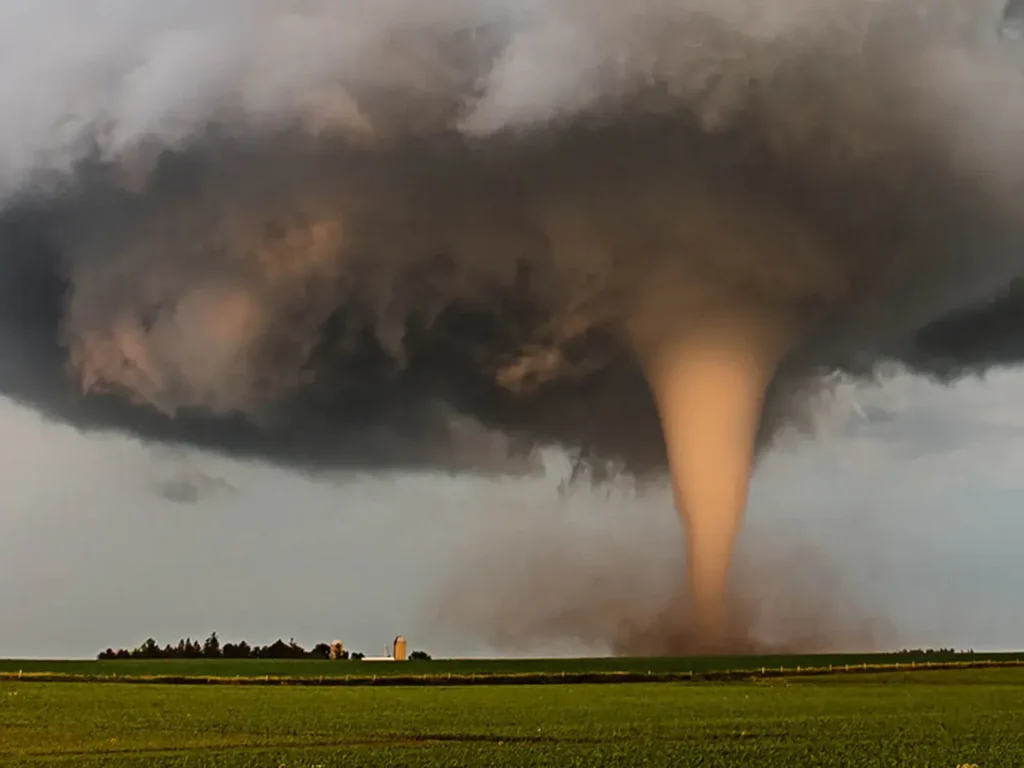
These shifts alter how North American local winds transport moisture and cold air, creating unusual snow, rain, and coastal flooding events. Scientists are tracking how these deviations affect the major local winds of North America.
Read Also: Tornadoes in the United States: Is There a Hidden Reason the US Gets Hit the Most?
4. Scientific Research Trends
Modern studies show that the effects of the local winds of North America will continue evolving as the climate warms. Researchers analyzing North American local winds report rising wind anomalies, longer wind-driven hazard seasons, and more instability in the major local winds of North America.
Together, these findings point toward a future where understanding wind–climate interaction becomes essential for forecasting and community preparedness.
7 Critical Effects of the Local Winds of North America
Now let’s break down the seven major effects of the local winds of North America, supported by scientific, environmental, and historical insights.
Effect 1: Climate & Temperature Shifts
Local winds can dramatically transform weather conditions in hours.
How This Happens
- Chinook winds compress and warm air as it descends the Rockies.
- Santa Ana winds move heat from the desert toward coastal areas.
- Sea breezes cool coastal cities by balancing daytime temperature surges.
Impact on the USA
- Sudden warmups affect winter snow stability.
- Heat-driven winds influence drought cycles in California and Nevada.
- Cold blasts from Nor’easters impact New England winters.
These temperature swings are central to understanding the effects of the local winds of North America across different regions.
Effect 2: Wildfire Intensification
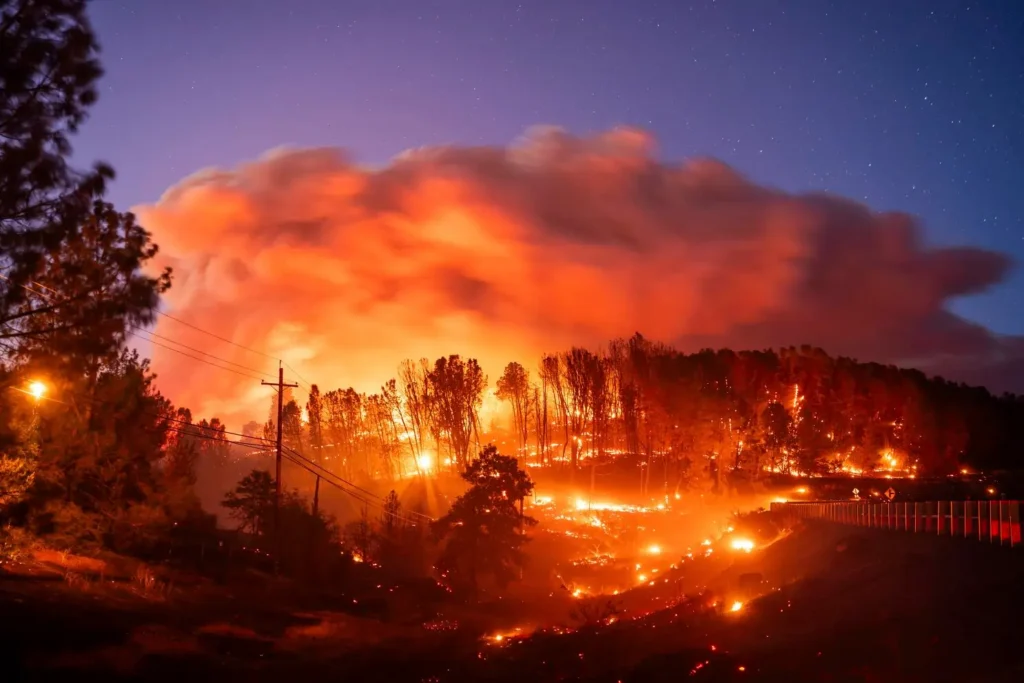
Few natural forces are as strongly tied to wildfire behavior as local winds.
Why Local Winds Ignite Fire Seasons
- Santa Ana and Diablo winds dry vegetation.
- High wind speeds spread sparks miles ahead of fire fronts.
- Warm, dry Chinook winds accelerate snowmelt, extending fire seasons.
Read Also: Top 20 Most Beautiful National Forests of America: Where Nature’s Wonders Come Alive
Table 2: Fire Wind Impact
| Wind | Area | Fire Risk Level | Main Cause |
|---|---|---|---|
| Santa Ana | California | Extreme | Drying + high speed |
| Diablo | Northern California | High | Low humidity |
| Downslope NW Winds | Oregon/Washington | High | Forest dryness |
This effect alone makes the effects of the local winds of North America a major concern for communities, policymakers, and firefighters.
Effect 3: Human Health & Psychological Impacts
Throughout history, Americans have reported feeling different when specific winds blow.
Physical Effects
- Dust and pollen increase during dry winds.
- Aerosolized particles worsen asthma and allergies.
- Sudden temperature changes affect headaches and fatigue.
Psychological Effects
While not always clinically proven, many communities report:
- Irritability
- Restlessness
- Difficulty sleeping
Especially during hot winds like Santa Ana, this connection is part of the cultural memory of many North American cities.
Effect 4: Agricultural Disruptions
Farmers across the USA have historically felt the brunt of the effects of the local winds of North America.
Negative Impacts
- Crop dehydration
- Soil erosion
- Frost risk from cold local winds
- Increased evapotranspiration in dry seasons
Read Also: Soil Formation Process: 1 Glimpse From Rock to Rich Earth
Positive Impacts
- Chinook winds protect livestock by warming winters
- Sea breezes reduce extreme heat stress on crops
- Localized winds help pollination cycles
Agriculture in the United States has always been intertwined with these wind patterns.
Effect 5: Impacts on Infrastructure & Economy
Local winds influence everything from flight routes to power-grid safety.
Infrastructure Influence
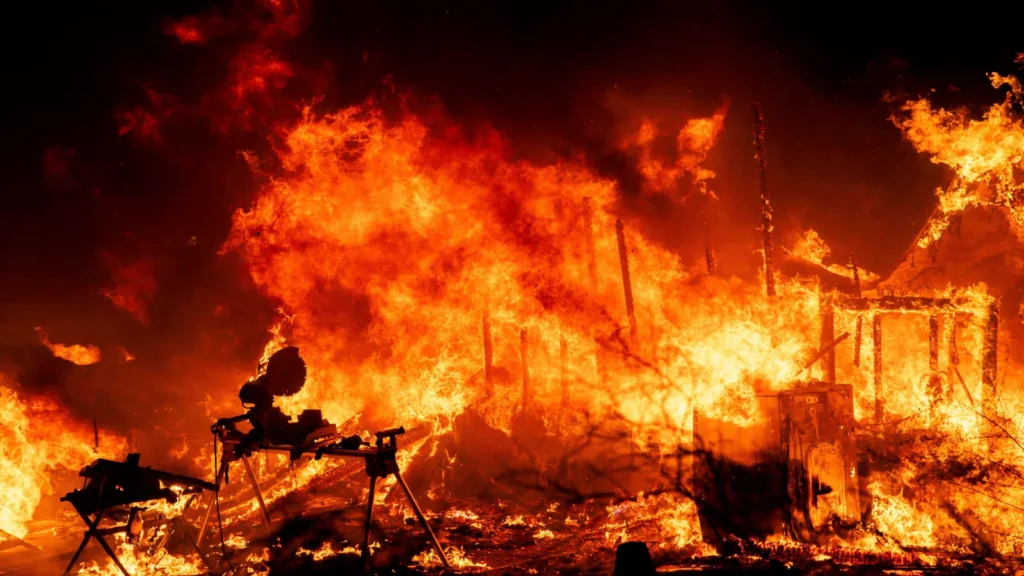
- Strong winds damage roofs, power lines, and communication towers.
- Ports along the Atlantic adjust schedules during Nor’easters.
- Airlines reroute to avoid turbulent mountain wave winds.
Economic Effects
- Billion-dollar wildfire costs linked to Santa Ana and Diablo winds.
- Winter winds along the East Coast disrupt commerce.
- Insurance claims spike during wind-driven storm seasons.
When we discuss the effects of the local winds of North America, economic consequences are impossible to ignore.
Effect 6: Ecological & Wildlife Effects
Local winds shape migration, habitats, and even ecological succession.
Environmental Influence
- Warm winds melt snow early, affecting mountain ecosystems.
- Cold katabatic winds alter coastal wildlife behavior.
- Wind-driven upwelling on coasts increases marine productivity.
Why This Matters
Changes in wind patterns can cause:
- Shifts in bird migration timing
- Changes in insect populations
- Altered plant growth cycles
These subtle changes ripple throughout ecosystems.
Read Also: The 5 Most Disaster-Hit US States in 2025: Shocking Damage & Hard Lessons
Effect 7: Weather Extremes & Hazard Patterns
Some of the most dangerous weather events in the USA are linked to local winds.
Nor’easters Bring:
- Intense snowfall
- Flooding
- Infrastructure damage
Santa Ana Winds Bring:
- Firestorms
- Power outages
- Rapid heat waves
Chinook Winds Bring:
- Sudden thawing leading to avalanches
- Flash flooding from rapid snowmelt
These extremes form the most urgent and dramatic effects of the local winds of North America today.
Read Also: 10 Most Popular Fossil Sites in the USA – Best Spots for Fossil Lovers
Climate Change & Future Wind Behavior
As global temperatures shift, local wind patterns in North America are changing too.
Scientists observe:
- Stronger Santa Ana wind events during prolonged drought
- More frequent Nor’easter conditions
- Expanded fire seasons due to altered wind timing
- Changes in sea breeze regularity along the Gulf Coast
These changes mean that the major local winds of North America will continue influencing weather and climate unpredictably.
Benefits of Local Winds
While we often focus on the hazards, the effects of the local winds of North America also include several meaningful advantages that support communities, ecosystems, and even national energy goals. These benefits have shaped how we understand the major local winds of North America, from the Pacific Coast to the Great Plains.
1. Renewable Energy Potential
Many North American local winds provide reliable wind flow that supports large-scale renewable energy projects. Regions influenced by the major local winds of North America, such as the Great Plains, the Rockies, and the California deserts, generate billions of kilowatt-hours of electricity annually.
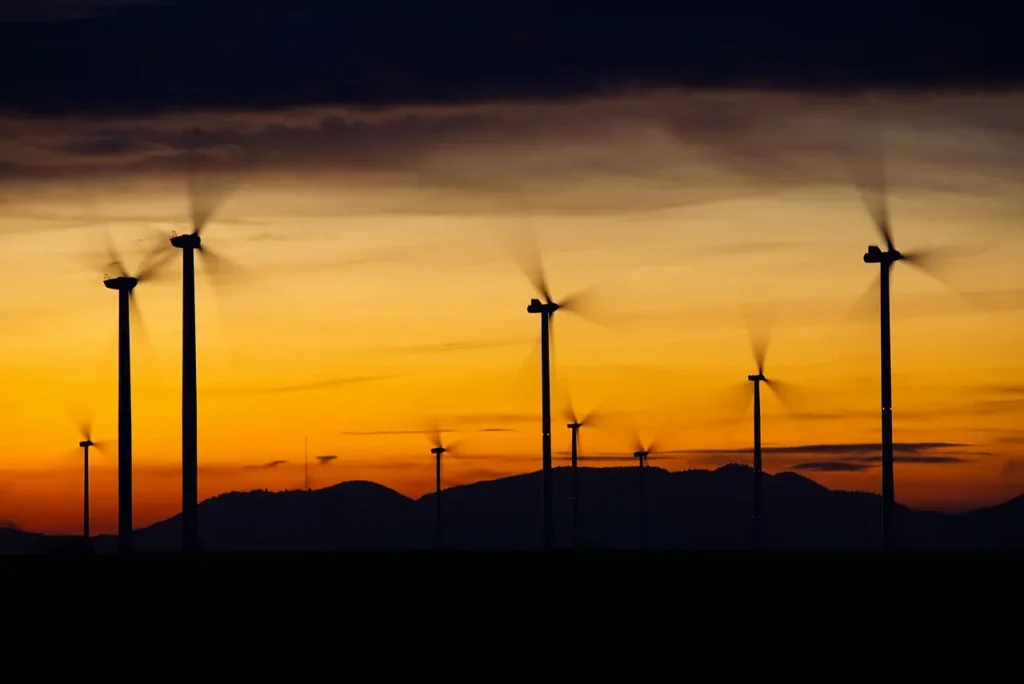
These wind corridors reduce dependence on fossil fuels while lowering carbon emissions. As we study the positive effects of the local winds of North America, their growing role in powering rural and urban grids stands out clearly.
Read Also: Uncover the Hidden Treasures of the Great Plains of North America
2. Temperature Moderation
The moderating effects of the local winds of North America help balance extreme heat and cold. Sea breezes cool the Gulf Coast, while Chinook winds warm the Rocky Mountain foothills. These North American local winds create comfortable conditions, support tourism, and reduce heating or cooling demands.
3. Clearing Pollution
One of the underrated effects of the local winds of North America is the natural dispersal of air pollutants. Coastal winds, mountain breezes, and downslope flows help clear smog in major cities. This contributes to cleaner air quality and improved public health.
4. Agricultural Advantages
Farmers benefit from the major local winds of North America, which support pollination, prevent frost damage, and maintain soil moisture balance. These favorable effects of the local winds of North America help stabilize food production across key farming regions in the USA.
How Communities Adapt to Local Winds
Understanding the effects of the local winds of North America helps communities design systems that protect lives, infrastructure, and natural resources. Since North American local winds such as Santa Ana, Chinook, and Nor’easters influence everything from fire seasons to winter storms, adaptation strategies must be practical and science-driven.
Here’s how communities respond to the major local winds of North America.
1. Disaster Preparedness
U.S. communities rely on early-warning systems, emergency alert networks, and evacuation protocols designed specifically around the effects of the local winds of North America.
California prepares for wildfire outbreaks triggered by North American local winds, while the East Coast strengthens storm shelters to withstand Nor’easter gusts.
Local governments distribute wind-specific safety guidelines, support real-time weather apps, and conduct seasonal drills to match the behavior of the major local winds of North America.
Read Also: 15 Incredible Places to See on Your California Road Trip for an Unbeatable Experience
2. Urban Planning Adjustments
City planners study the effects of the local winds of North America to improve building codes, strengthen rooftops, and design wind-resistant structures. Coastal cities adapt layouts to manage Nor’easter surges, while western states use vegetation buffers to reduce fire spread caused by North American local winds.
3. Forestry & Fire Management Strategies
Wildfire-prone regions proactively thin forests, clear dry brush, and create firebreaks that counter the dangerous effects of the local winds of North America. States affected by major local winds of North America, especially Santa Ana and Diablo winds, invest heavily in controlled burns, real-time monitoring, and community education to reduce risk.
Key Takeaway
Local winds may be regional, but their effects are continental — shaping climate, ecology, safety, and the way we live every day.
Understanding the effects of the local winds of North America helps us protect communities, prepare for climate shifts, and appreciate the natural forces that define the USA.
Conclusion
Local winds are more than weather patterns; they’re powerful environmental systems that help determine the climate, economic stability, and ecological rhythm of North America.
From the scorching Santa Ana winds to the icy blasts of Nor’easters, each system influences life in distinct ways. By understanding the effects of the local winds of North America, we gain insights into wildfire behavior, agricultural stability, weather extremes, human health, and the broader environmental shifts happening across the country.
As climate change continues to reshape wind intensity and frequency, studying these patterns becomes essential for forecasting, planning, and safeguarding our communities. Knowledge remains our strongest tool — and local winds continue to be one of nature’s most fascinating teachers.
FAQs
1. What are the most dangerous local winds in North America?
Some of the most hazardous local winds include Santa Ana winds, Diablo winds, and Nor’easters due to fire risk and storm damage.
2. How do Chinook winds affect winter weather in the Rockies?
Chinook winds cause rapid warming that melts snow quickly, influencing avalanches, flooding, and winter climate patterns.
3. Why are Santa Ana winds associated with wildfires?
They carry hot, dry desert air toward the coast, lowering humidity and increasing wind speeds that spread fires rapidly.
4. How do local winds influence agriculture in the USA?
Local winds can either dry crops, erode soil, and cause frost damage, or moderate temperatures and support pollination.
5. Are local wind patterns changing due to climate change?
Yes. Warming temperatures are intensifying regional winds, altering seasonal timing, and increasing the frequency of hazardous events.

