

Introduction
Imagine walking through Florida’s lush landscapes, only to realize that some of its most iconic creatures are on the brink of disappearing forever. The reality is stark and urgent—our beloved wildlife is in peril.
Florida is renowned for its diverse ecosystems, from pristine beaches to dense forests and vast wetlands. These habitats are home to many species, which are now endangered due to various human activities and environmental changes.
Read also: Ecosystem | Definition, Components, and 5 Important Types of Ecosystem
This article explores ten of Florida’s endangered species, shedding light on their struggles for survival and the critical conservation efforts underway to save them.
Understanding the plight of endangered species in Florida is crucial for several reasons:
- Biodiversity Conservation: Each species plays a unique role in maintaining the ecological balance. The loss of even a single species can have cascading effects on the entire ecosystem.
- Ecosystem Services: Many endangered species contribute to vital ecosystem services, including pollination, seed dispersal, and pest control, which are essential for human well-being and the health of the environment.
- Cultural and Economic Value: Florida’s wildlife attracts millions of tourists yearly, contributing significantly to the state’s economy. Protecting these species ensures the continuation of this economic benefit.
- Ethical Responsibility: As stewards of the planet, we have a moral duty to safeguard and preserve our inherited biodiversity.
In this article, we will delve into the specific threats facing these endangered species in Florida, the measures to protect them, and how we can contribute to their conservation.
Read also: Biodiversity Crisis: 5 Shocking Ways We’re Losing Nature’s Riches.
Importance of Biodiversity
Biodiversity is crucial for the framework that supports all forms of life, including humans. With a vast range of animals, plants, and other microorganisms, a good ecosystem that we can depend on to supply us with the air we breathe and the food we eat is possible.
Overview of Florida’s Ecosystems
Animals of North America
North America is home to many animals. It extends from the Arctic waters of the far north to the narrow land bridge of Central America in the south and is enclosed by the Pacific Ocean to the west, including the Atlantic Ocean to the east. These animals include the American Beaver, the Brown Bear, The American alligator, The American Moose, The Monarch Butterfly, The Nine-Banded Armadillo, and the Tufted Titmouse.
Read also: Animals of North America: 20 Astonishing Creatures You Must Discover
Unique Habitats in Florida
Florida’s coral reef is a crucial natural ambiance that supports more than 6000 species of marine life and consists of many locally essential species. Also, sea turtles depend on the reef for food and shelter. Near the coast hardbottom, a share of the inner coral reef system is near the shore. Seagrass beds provide a habitat where fish, lobsters, and crabs can hide from predators.
Read also: 10 Heartbreaking Stories of Endangered Species in California
Comparison with Other Regions
Florida is the only state guarding the Atlantic Ocean and the Gulf of Mexico. It is also known as the southernmost of the 48 contagious states, and Hawaii is the only one of the fifty states that reaches farther south.
Top 10 Endangered Species in Florida
1. Florida Panther
These belong to the species Puma concolor and are trapped in a small area separated by an inbred group in southern Florida. They reside in the subtropical region and often move through wetlands, forests, and grasslands for food. Their most famous prey in Florida is white-tailed deer, but they also hunt smaller animals, including wild hogs, birds, raccoons, and bigger ones, such as American alligators.
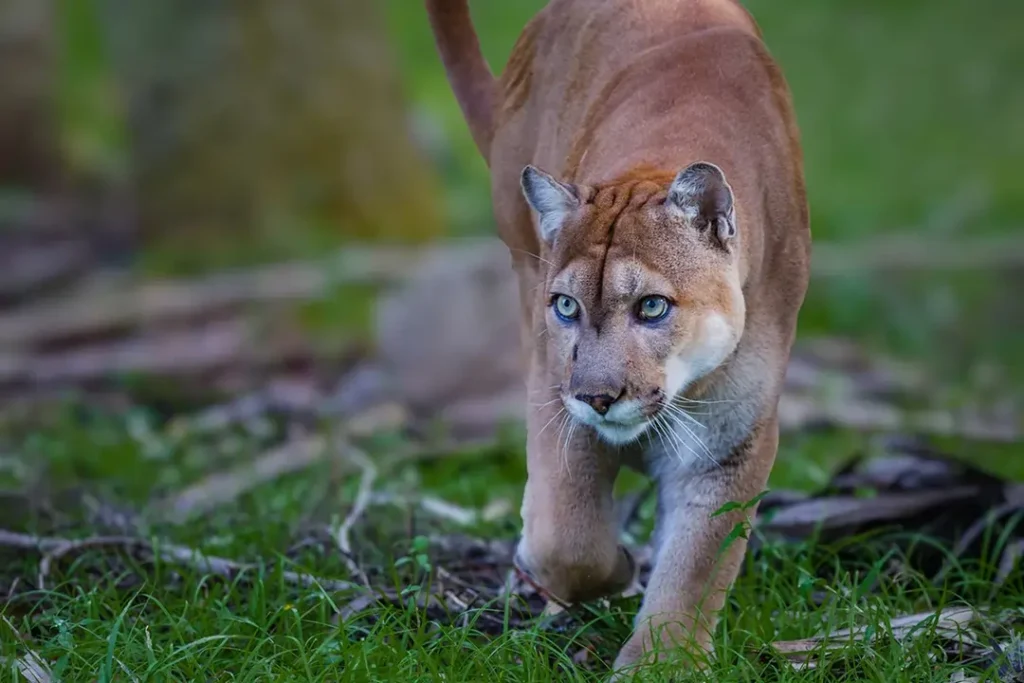
In 1967, the “ US Fish and Wildlife Service” marked this animal as threatened with extinction. In 2010, the population of panthers was estimated at more than 200.
Read also: Unveiling the Intricate Grassland Food Web: 5 Astonishing Facts You Must Know
2. West Indian Manatee
The Antillean manatee and the Florida manatee are big aquatic animals of two subspecies. Manatees have been considered sea cows because of their eating habits, such as taking seagrass and other aquatic plants.
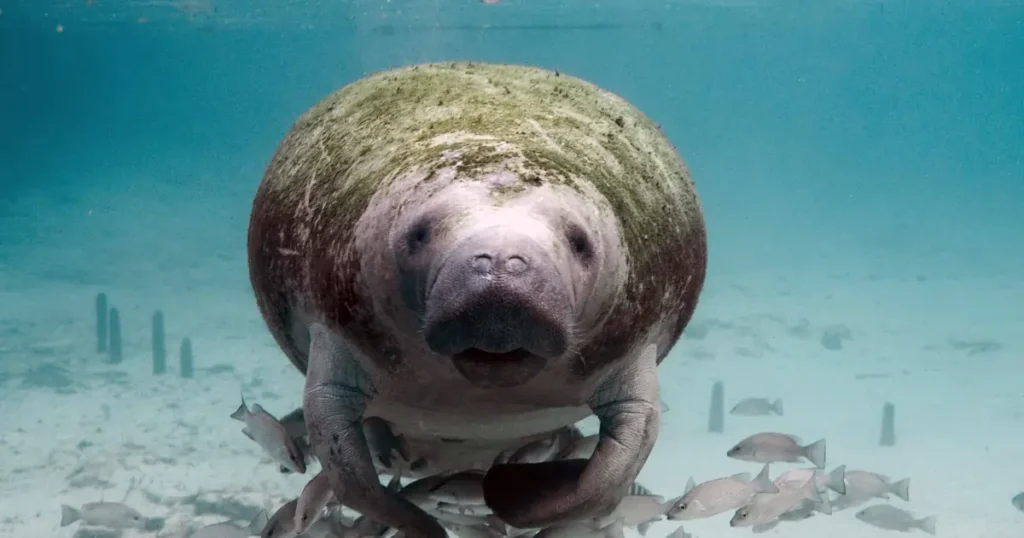
The range-wide population is about 13000 manatees, with more than 6500 in the southern part of the US. Manatees are safeguarded under the Endangered Species Act and the Marine Mammal Protection Act.
Read also: Marine Food Web: 5 Threats to the Backbone of the Oceans
3. American Crocodile
They are large species of crocodile that reside in forests and freshwater ambiances, as well as blackish and marine intertidal forests in Florida, Central America, northern South America, and many Caribbean islands. They are sexually dimorphic animals; males are 5-6 meters long, and women do not exceed 3.5 meters. Adult care is greyish green on the top and is usually massive with lighter coloration underneath.
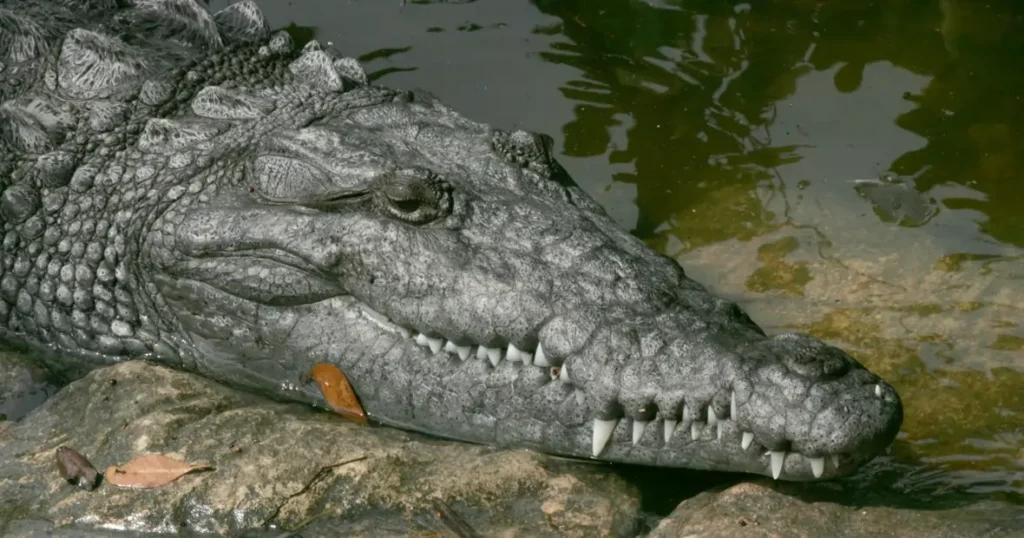
They have 30-40 teeth in the upper jaw and 28-32 in the lower jaw. The International Union for Conservation of Nature and Natural Resources (IUCN) has considered that crocodiles have faced immense threats since 1996. These species are well cared for in Cuba, Honduras, and Colombia.
Read also: 3 Differences Between Crocodile Alligator and Gharial
4. Key Deer
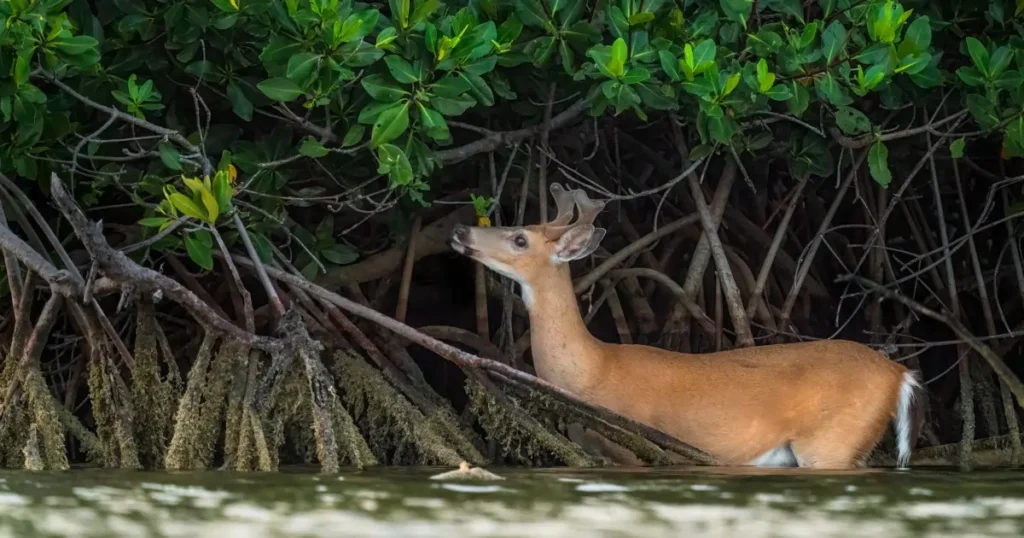
Key deer are one of the most unique animals in Florida. They have appropriately adapted to live in the wild and feed on many national plant species. They travel through Florida Keys habitats, and one of their main features is raising their tail when they get alarmed by danger. Poaching and habitat loss have declined the number of crucial deer to as few dozen animals by the 1950s, allowing for protection and safeguarding.
Even though it is situated in a subtropical environment and is affected by seasonal changes.
5. Loggerhead Sea Turtle
Loggerheads are the name for their relatively big heads that support potent jaws and make them feed on hard-shelled prey, for example, whelks and conchs. The adult loggerhead is slightly heart-shaped and has a little reddish brown top shell comprising five or more pleural scutes. They have brown color flippers along with white edges, and they have a faded yellow belly.
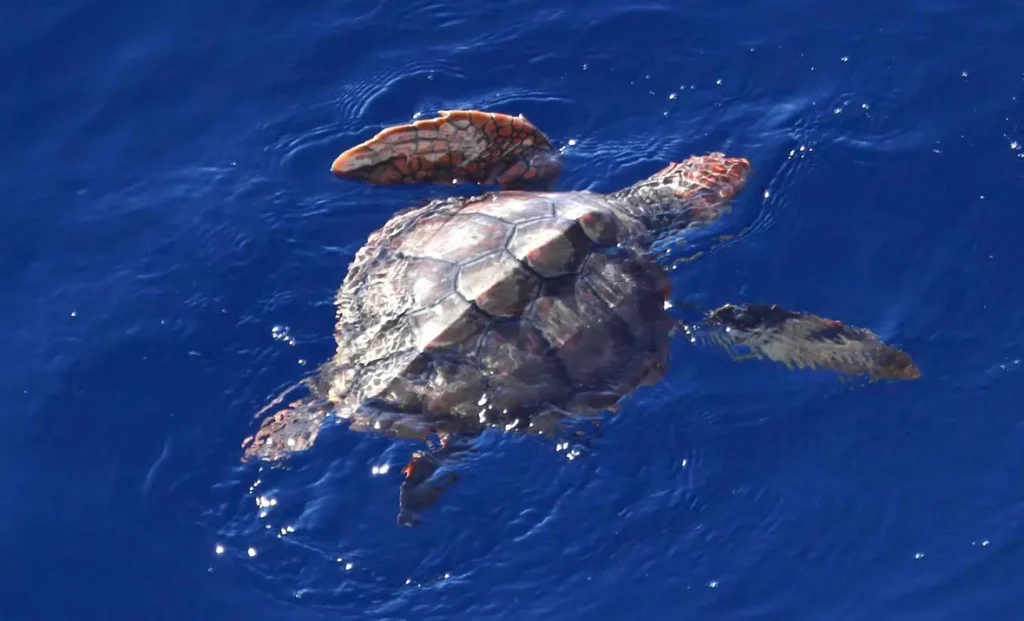
The loggerhead turtle’s range in the Atlantic extends from Newfoundland to Argentina. In 1978, the Endangered Species Act declared loggerheads an endangered species. Other threats include loss of degradation, marine pollution, and other watercraft strikes.
6. Red-cockaded Woodpecker
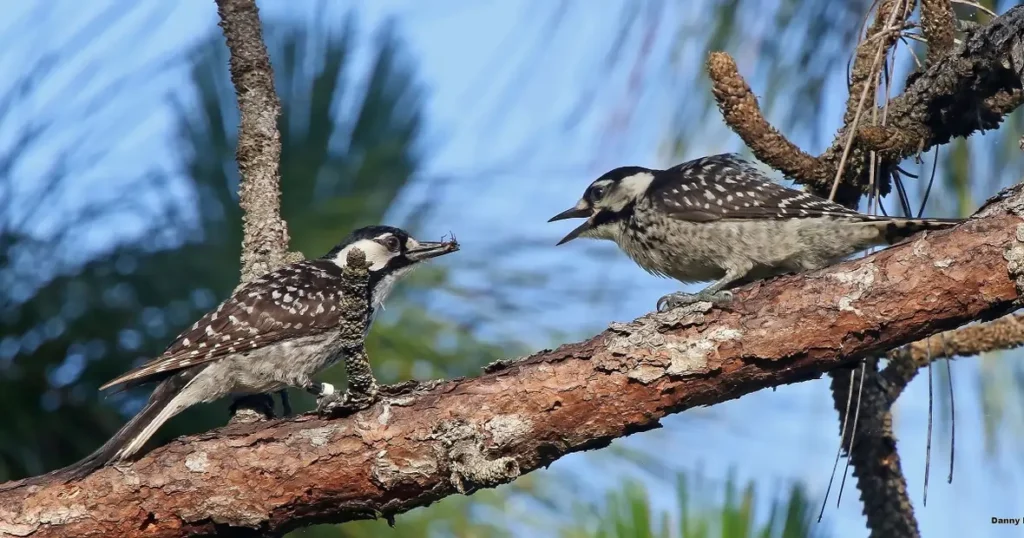
These are small woodpeckers with straight bills. They are either black or white, with bright white cheek patches and a black malar stripe that forms the lower border of the cheek. Males have an almost invisible streak at the cheek’s upper part. They live in family groups and cooperate to care for young ones. They live in cavities in pine trees. They were once common in more extensive parts of longleaf pine.
These birds are one of the endangered species in Florida, declared in October 1970 by the law before the Endangered Species Act enacted in 1973.
7. Gopher Tortoise
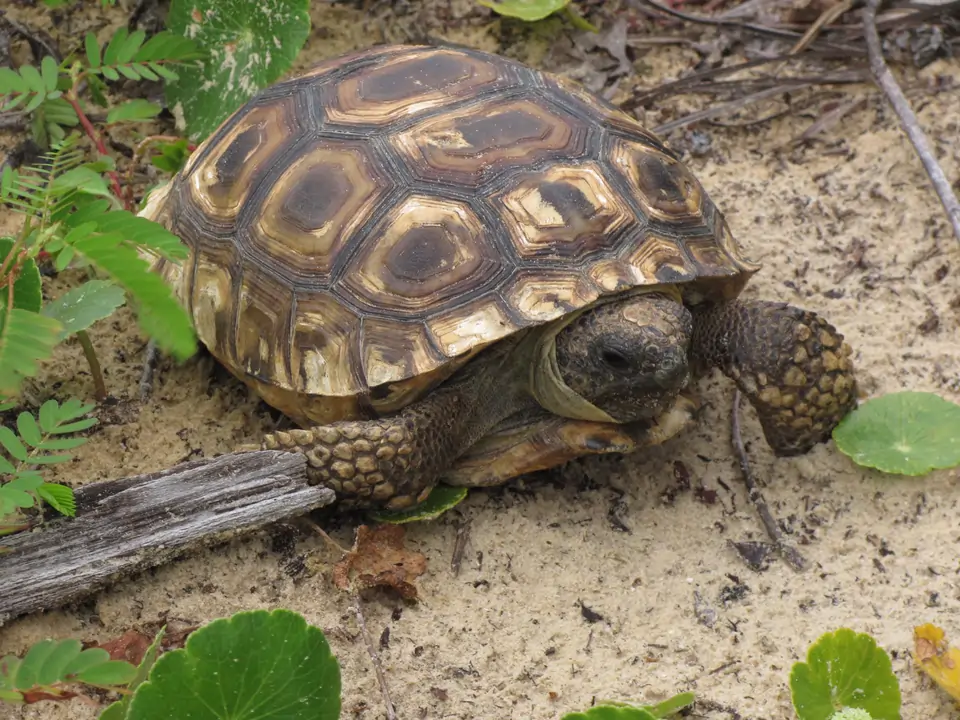
These originated 60 million years ago; they are one of the oldest living species located east of the Mississippi River. But now they are on Florida’s Endangered Species list. The gopher tortoise ranges from southern South Carolina to the southern half of Georgia. It may be extinct in Southern Carolina and Louisiana but not Mississippi and Alabama. Gopher tortoises have more significant elephantine hind limbs that are flattened, shovel-like forelimbs that are 40 feet long and 10 feet wide.
The primary threat that it is receiving is habitat loss. Developing urban areas, agricultural conversion, and other fires can reduce and get fragmented, unsuitable for tortoises.
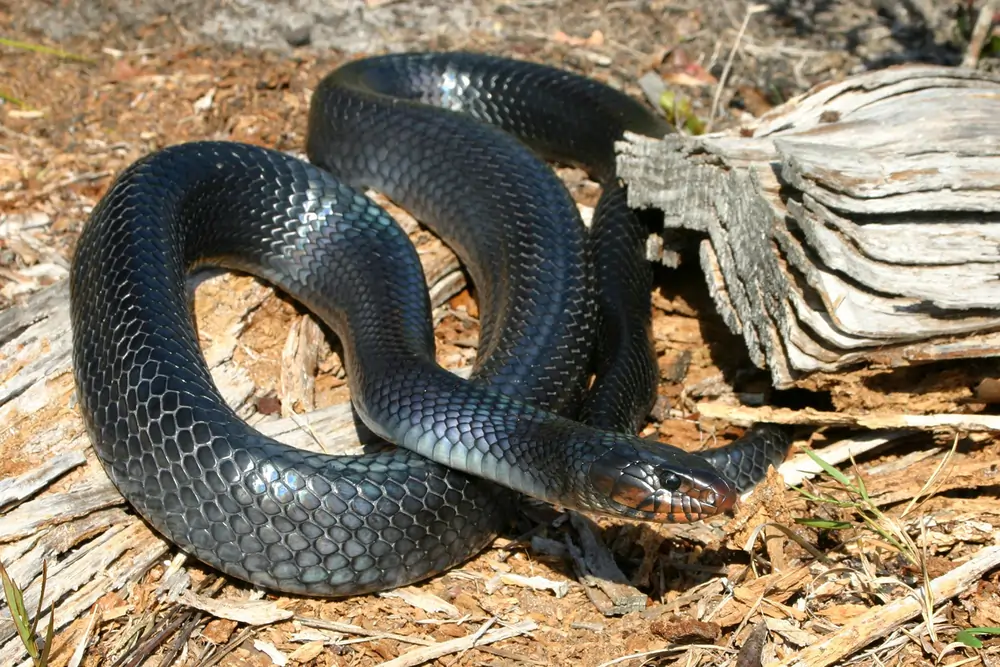
8. Eastern Indigo Snake
The eastern indigo snake is considered an icon of the southern longleaf pine forest and is the longest native snake on the continent. It is bluish but orange-red on the chin and 7-9 feet long. New hatchlings are 16-24 inches long and make annual clutches of 6-12 eggs.
The Endangered Species Act of 1978 listed the eastern Indigo as an endangered species in Florida. Due to habitat loss, eastern indigos have been largely eliminated from North Florida.
Read also: Top 12 World’s Most Venomous Snakes: A Deadly Dozen
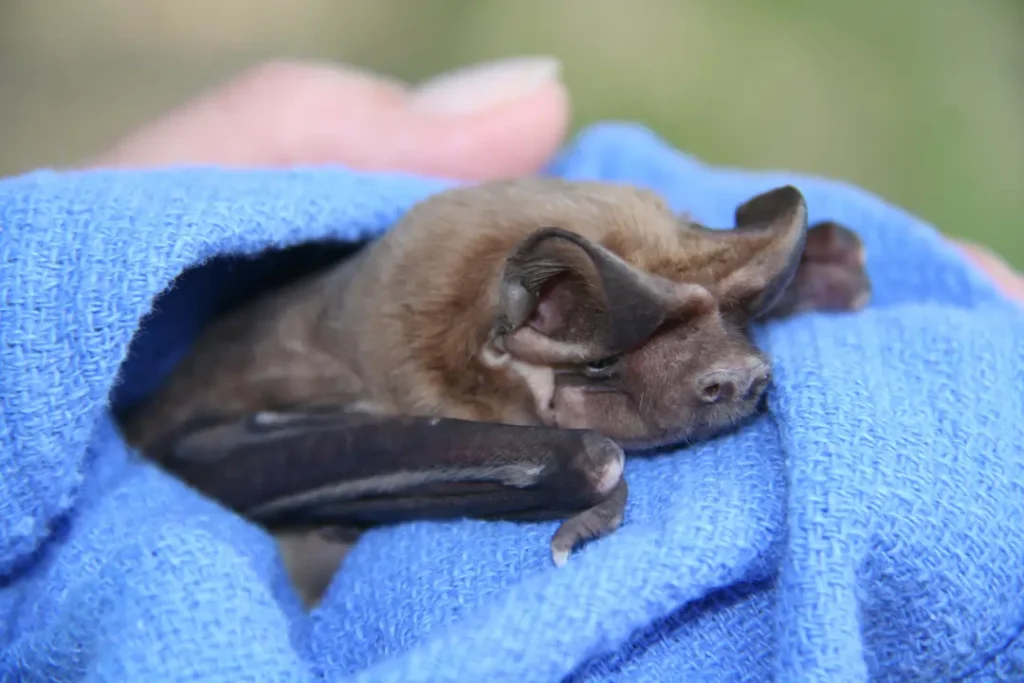
9. Florida Bonneted Bat
The Florida bonnet bat is a member of the Molossidae family in the order Chiroptera. It is the largest bat in Florida. Males and females are not at all different in size. However, the Florida bonnet bat has a jointed head midline, differentiating it from the more miniature Brazilian free-tailed bat.
They are included as an Endangered species in Florida by the Federal Endangered Species Act
10. Hawksbill Sea Turtle
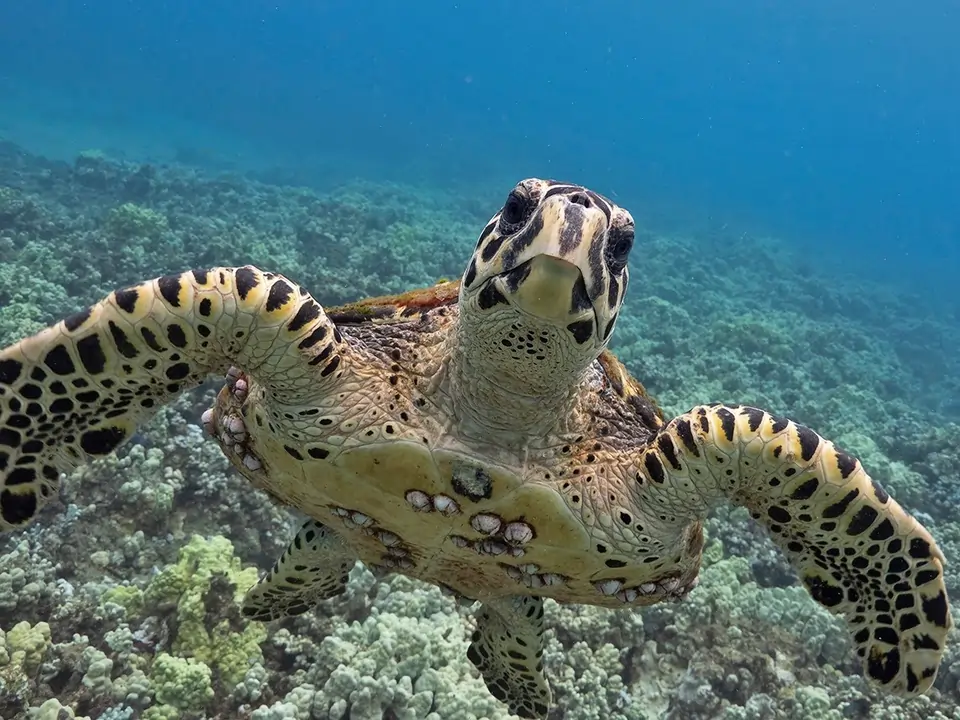
Hawkbills are named right after their narrow, pointed beak. They have a significant pattern of overlapping scales on their shell that form a serrated look on the edges. Hawkbills are found in coral reefs, primarily on the sponges, and they remove crevices on the reef using narrow, pointed beaks.
These sea turtles are considered a critically endangered species and are protected under the Endangered Species Act.
Factors Contributing to Endangerment
Climate Change
The physical environment is crucial for maintaining species distribution, survival, and ecosystem services. Florida’s species have adapted to climatic changes, and native and exotic species have an advantage in the rapidly changing ambiance.
Pollution
As a result, 1.6 billion gallons of sewage entered local communities and waterways between 2015 and 2020. These spills put the well-being of humans at risk, and Florida’s waterways and coastal ecosystem were filled with booms and fish kills.
Impact of Human Activities
Humans’ role affects the planet’s biodiversity in various ways, both deliberate and accidental. The only challenge biodiversity faces is how humans have reshaped natural habitats to make lands for their benefit. Still, as climate change degrades, it will hurt ecosystems.
Read also: Climate Change | 7 Alarming Effects and the Major Causes Behind
Read also: UN COP26 – Is it Too Late to Solve Climate Change Crisis?
Read also: Pollution – A Global Issue | 5 Major Effects of Pollution that Damaging Our Planet
Conclusion
In conclusion, the plight of the Endangered Species in Florida underscores the urgent need for conservation efforts. Florida’s unique ecosystems, home to diverse species, face unprecedented threats from human activities, climate change, and pollution.
The significance of protecting these species cannot be overstated, as their survival is crucial for maintaining biodiversity, ecosystem health, and cultural heritage. By understanding the challenges these endangered species face and actively participating in conservation initiatives, we can help preserve Florida’s rich natural legacy for future generations.
The fate of the Endangered Species in Florida rests in our hands, and our collective responsibility is to ensure their continued existence. Let this knowledge inspire us to take meaningful action in safeguarding these irreplaceable members of our planet’s biodiversity.
FAQs:
1. What are the main reasons species become endangered in Florida?
Species in Florida become endangered primarily due to habitat loss, climate change, pollution, and human activities such as urban development and agriculture. Habitat destruction reduces the living space available for species, while climate change alters their natural environments. Pollution, including water and air pollution, further degrades these habitats, and human activities can directly harm wildlife through collisions, hunting, and resource extraction.
2. How does climate change impact endangered species in Florida?
Climate change impacts endangered species in Florida by altering temperatures, weather patterns, and sea levels. Rising temperatures can disrupt breeding and feeding habits, while changes in precipitation can affect water availability and habitat conditions.
Sea level rise poses a significant threat to coastal species by inundating their habitats and increasing the salinity of freshwater ecosystems. These changes can lead to a loss of biodiversity and increased vulnerability for already endangered species.
3. What conservation efforts are in place to protect endangered species in Florida?
Several conservation efforts are in place to protect endangered species in Florida, including habitat restoration, legal protection, and captive breeding programs. Government agencies and non-profit organizations work to restore and preserve critical habitats, enforce laws such as the Endangered Species Act, and implement breeding programs to increase population numbers.
Public education and community involvement also play vital roles in conservation, promoting sustainable practices and awareness of the importance of biodiversity.
4. Why is the Florida Panther considered endangered?
The Florida Panther is considered endangered due to habitat loss, vehicle collisions, and genetic inbreeding. Urban development and agriculture have significantly reduced their natural habitat, decreasing food availability and increasing human-wildlife conflicts.
Vehicle accidents are a major cause of mortality for panthers, and the small population size results in genetic inbreeding, which can reduce genetic diversity and increase susceptibility to diseases.
5. How can individuals contribute to the conservation of endangered species in Florida?
Individuals can contribute to the conservation of endangered species in Florida by supporting local conservation organizations, participating in habitat restoration projects, reducing their environmental footprint, and spreading awareness about the importance of biodiversity.
Simple actions such as using less plastic, conserving water, and advocating for wildlife protection policies can make a significant difference. Volunteering and citizen science projects also provide hands-on opportunities to help preserve Florida’s endangered species.
6. What role do non-profit organizations play in protecting Florida’s endangered species?
Non-profit organizations are crucial in protecting Florida’s endangered species by researching, advocating for policy changes, and engaging in on-the-ground conservation efforts.
These organizations often collaborate with government agencies, academic institutions, and local communities to implement conservation strategies, raise funds for protection efforts, and educate the public about preserving biodiversity.
References
- Why is biodiversity important? (n.d.). Royalsociety.org. Retrieved May 29, 2024, from https://royalsociety.org/news-resources/projects/biodiversity/why-is-biodiversity-important/
- What is the human impact on biodiversity? (n.d.). Royalsociety.org. Retrieved May 29, 2024, from https://royalsociety.org/news-resources/projects/biodiversity/human-impact-on-biodiversity/
- Ecosystem and habitats. (2022, February 18). Florida’s Coral Reef. https://floridascoralreef.org/the-reef/ecosystem-and-habitats
- Strauss, B. (2016, July Twelve). 12 important animals of North America. ThoughtCo. https://www.thoughtco.com/important-animals-of-north-america-4066792
- Rafferty, J. P. (2024). Florida panther. In Encyclopedia Britannica.
- Manatee. (n.d.). Fws.gov. Retrieved May 29, 2024, from https://www.fws.gov/species/manatee-trichechus-manatus
- Rafferty, J. P. (2024a). American crocodile. In Encyclopedia Britannica.
- National Key Deer Refuge. (n.d.). Fws.gov. Retrieved May 29, 2024, from https://www.fws.gov/refuge/national-key-deer
- Loggerhead sea turtle. (n.d.). National Wildlife Federation. Retrieved May 29, 2024, from https://www.nwf.org/Educational-Resources/Wildlife-Guide/Reptiles/Sea-Turtles/Loggerhead-Sea-Turtle