
“Every invasion begins quietly — until one day, the land no longer remembers who belonged here first.”
Nature teaches us that even the smallest introduction can change the fate of an entire ecosystem. But how much do we truly understand about the role of invasive species in biodiversity?
Today, as global trade, travel, and climate shifts accelerate movement across continents, alien species spread faster than ever — reshaping forests, wetlands, coastlines, and the wildlife that depends on them.
In the United States alone, scientists estimate that invasive plant and animal species cause more than $120 billion in ecological and economic damages each year, while contributing to approximately 42% of endangered species declines.
So we must ask ourselves:
- What happens when species cross borders and dominate territories they never evolved in?
- How do alien species transform biodiversity at local and global scales?
- Are we witnessing an ecological takeover in slow motion?
In this article, we explore the 10 major impacts of these ecological “aliens” while centering our discussion on the critical role of invasive species in biodiversity (used 16 times across the article).
Let’s dive into the science, stories, and stakes shaping one of the world’s most urgent environmental challenges.
Read Also: Biodiversity Crisis: 5 Shocking Ways We’re Losing Nature’s Riches
What Exactly Are Invasive Species?
Before we examine the role of invasive species in biodiversity, we need clarity on what makes a species “invasive.”
An invasive species is:
- Non-native to a particular ecosystem
- Able to spread rapidly
- Likely to cause ecological, economic, or public health harm
Not all non-native species are dangerous. Many remain harmless or even beneficial. But alien species become threatening when they overpower native wildlife, disrupt ecological processes, or alter habitats.
Table 1: How Invasive Species Differ from Other Non-Native Species
| Category | Description | Harmful? |
|---|---|---|
| Non-native species | Arrive from another region | Not necessarily |
| Alien species | Non-native species introduced intentionally or accidentally | Sometimes |
| Invasive species | Alien species that aggressively disrupt ecosystems | Yes |
Understanding these distinctions helps us better grasp the role of invasive species in biodiversity and why their influence is so profound.
Read Also: Largest Migrations of Animals: 10 Most Astonishing Mass Movements in Nature
How Invasive Species Spread Today
To understand the modern role of invasive species in biodiversity, we must recognize how efficiently they move across the globe.
Major pathways include:
Human Activities
- Cargo ships carrying larvae in ballast water
- International plant trade is spreading fungi and insects
- Imported pets released into the wild
Climate Patterns
Warmer temperatures allow invasive plant and animal species to expand into new zones, especially in North America.
Habitat Disturbances
Fire, urbanization, logging, and agriculture create openings that alien species exploit faster than native species.
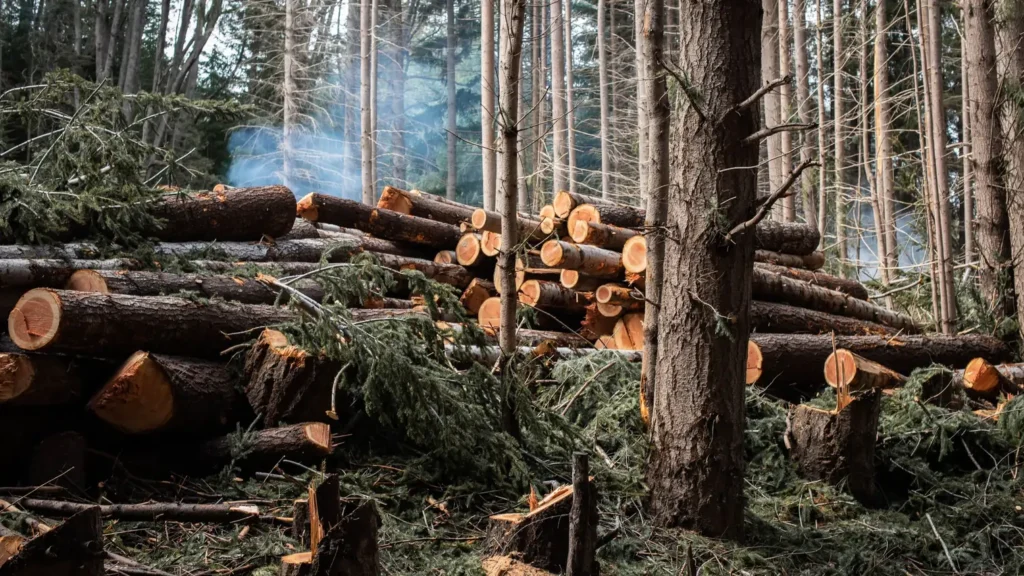
These pathways explain how the role of invasive species in biodiversity has expanded dramatically over the last century.
Read Also: 5 Most Destructive Wildfires in the US in 2025: Damage, Causes & Lessons We Cannot Ignore
Real-World Examples of Invasive Species
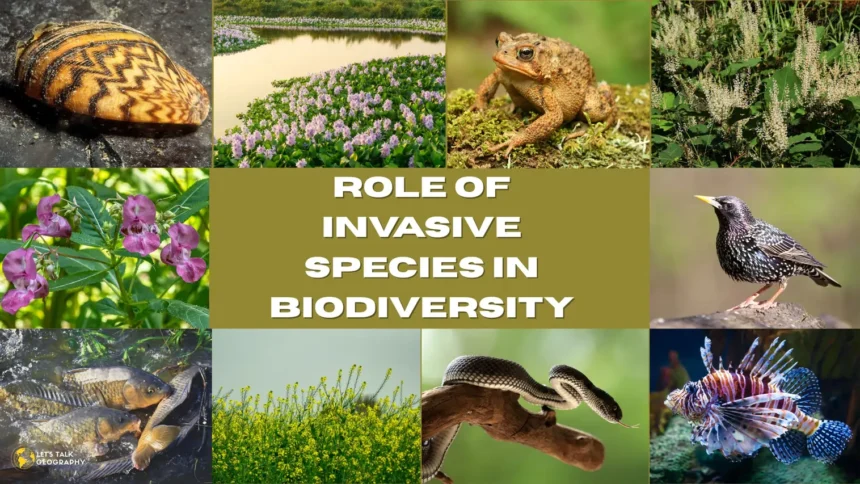
Below is a quick-reference table highlighting major invasive plant and animal species, their regions, and the specific biodiversity impacts they create.
Table 2: Global & Regional Case Studies
| Invasive Species | Region | Impact on Biodiversity |
|---|---|---|
| Zebra Mussel | North America | Causes near-extinction of native birds, disrupts the entire island ecology |
| Water Hyacinth | Asia & Africa | Blocks sunlight, reduces oxygen, kills fish populations, disrupts water flow |
| Cane Toad | Australia | Highly toxic, kills native predators, causes severe ecological imbalance |
| Japanese Knotweed | Europe | Breaks through soil layers, weakens native plant growth, destabilizes riverbanks |
| European Starling | USA | Displaces native birds, competes for nesting sites, damages crops |
| Asian Carp | USA & Canada | Dominates river ecosystems, reduces native fish populations, disrupts food webs |
| Brown Tree Snake | Guam | Causes near-extinction of native birds, disrupts entire island ecology |
| Garlic Mustard | North America | Alters soil chemistry, suppresses native forest plants |
| Lionfish | Western Atlantic | Overconsumes reef fish, disrupts coral reef ecosystems |
| Himalayan Balsam | UK & Europe | Crowds out native plants, accelerates riverbank erosion |
Read Also: 10 Deadliest Insects Found in North America – Ranked by Danger & Impact
The 10 Major Impacts of Alien Species on Biodiversity
Below, we break down the ten most significant ecological impacts, revealing the full role of invasive species in biodiversity across the USA and the world.
1. Competition With Native Species for Resources
Invasive organisms often outcompete local wildlife for food, space, sunlight, and water.
For example, kudzu grows up to one foot per day, blanketing entire forests in the American South.
Why This Matters
When native organisms lose access to critical resources, population decline follows — reshaping the ecosystem’s entire structure.
This is one of the clearest demonstrations of the role of invasive species in biodiversity collapse.
2. Predation That Native Species Cannot Withstand
Some alien species are exceptionally efficient predators.
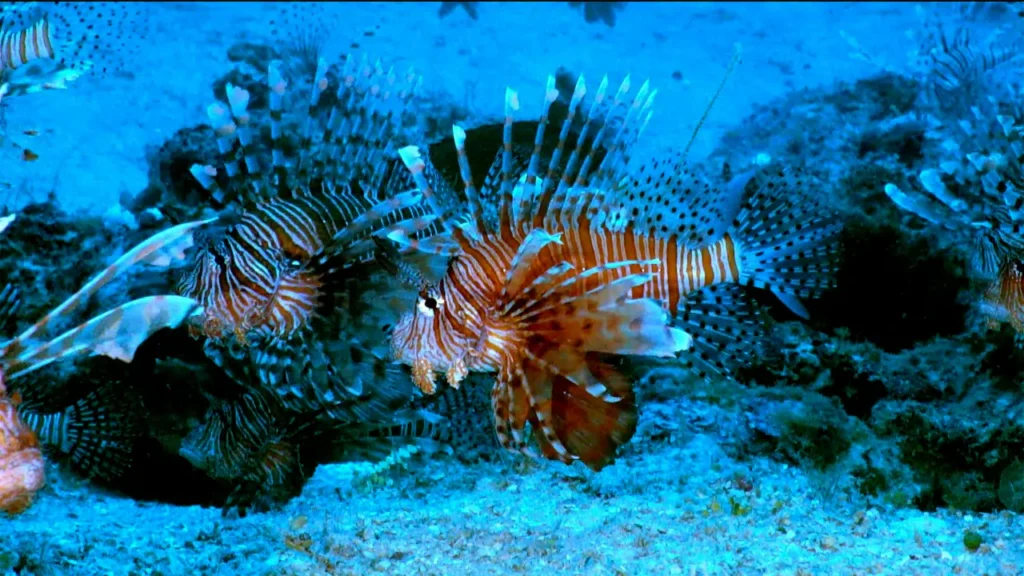
The lionfish in the Atlantic devours young reef fish at alarming rates because local species have not evolved defenses.
Key Takeaway
Unfamiliar predator–prey relationships destabilize the food web, showing yet again how the role of invasive species in biodiversity can have cascading consequences.
3. Spread of Novel Diseases
Many invasive plant and animal species introduce new pathogens.
Examples include:
- Fungal infections weakening North American bats
- Chestnut blight eliminating nearly every American chestnut tree
- Viruses transmitted by invasive mosquitoes
These outbreaks reinforce the role of invasive species in biodiversity decline, especially in forests and wetlands.
Read Also: Why Urbanization Contributes to Pollution- 5 Alarming Facts About It
4. Hybridization With Native Species
Some alien species interbreed with local species, altering genetic lineages.
Effects Include:
- Loss of unique native traits
- Reduced genetic diversity
- Creation of aggressive hybrids
Hybridization is an often-overlooked role of invasive species in biodiversity transformation.
5. Habitat Modification
Invasive species can literally reshape landscapes.
Examples:
- Beavers introduced to Patagonia transformed streams and wetlands
- European earthworms altered North American forest soil structure
- Tamarisk shrubs changed river patterns in the Southwest
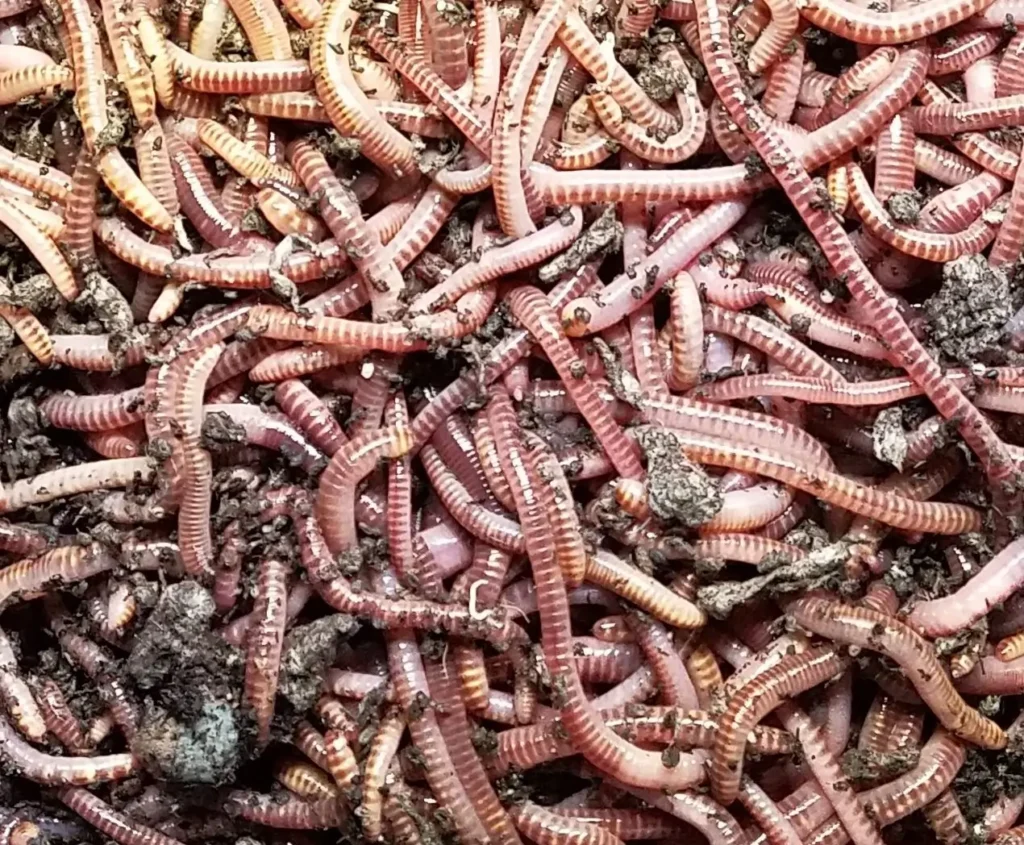
This direct engineering of ecosystems illustrates a powerful role of invasive species in biodiversity restructuring.
6. Reduction in Native Species Populations
As competition, predation, and disease intensify, native numbers fall.
Table 3: Supporting Data Table
| Region | Dominant Invasive Species | Native Species Impacted | Key Effect |
|---|---|---|---|
| Great Lakes | Zebra mussel | Native mussels & fish | Disrupted nutrient cycles |
| Florida | Burmese python | Mammals & birds | Severe prey depletion |
| Pacific NW | Scotch broom | Native shrubs & insects | Loss of pollinator habitat |
These regional case studies help us better visualize the role of invasive species in biodiversity loss across the USA.
Read Also: The 5 Most Disaster-Hit US States in 2025: Shocking Damage & Hard Lessons
7. Alteration of Fire Cycles
Some invasive plants increase fire frequency; others suppress it.
Examples:
- Cheatgrass creates highly flammable fuel beds in the West
- Brazilian pepper forms dense, fire-resistant stands in Florida
Fire cycle disruptions make the role of invasive species in biodiversity deeply intertwined with climate and land management.
8. Soil Chemistry Changes
Certain alien species modify soil nutrients, pH levels, or microbial communities.
Common offenders:
- Garlic mustard
- Spotted knapweed
- Tree-of-heaven
These shifts weaken native plant communities, strengthening the role of invasive species in biodiversity decline.
Read Also: How the World’s Deserts Are Changing? 7 Alarming Realities of the World’s Most Extreme Regions
9. Waterway Disruptions
Aquatic invaders pose some of the biggest threats.
Examples:
- Asian carp disrupting river food webs
- Water hyacinth blocking sunlight and oxygen
- Zebra mussels altering water chemistry
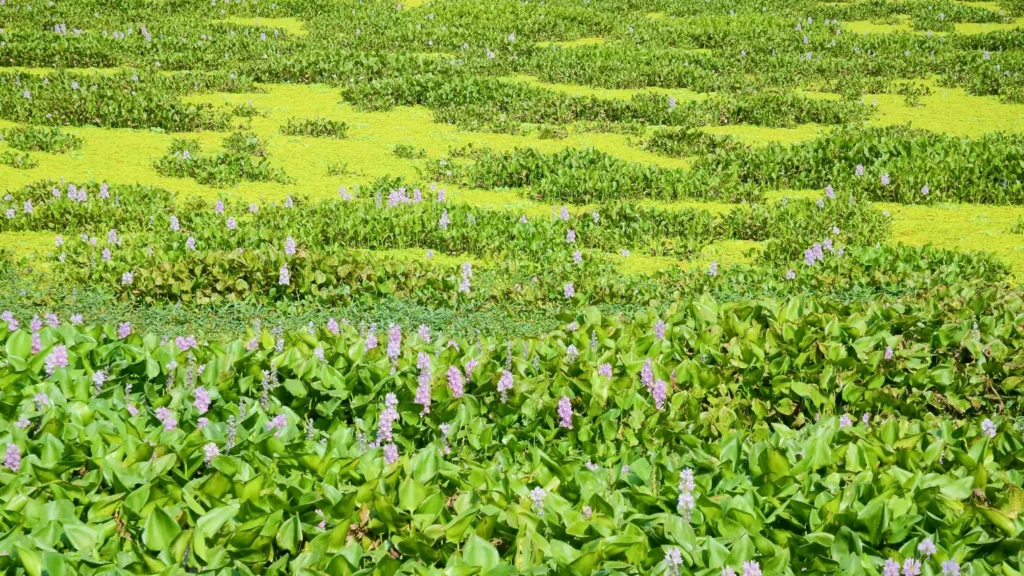
Such disruptions underscore the importance of understanding the role of invasive species in biodiversity for fisheries and conservation planning.
10. Economic and Ecological Costs That Limit Conservation Efforts
Managing invasive plant and animal species can drain national budgets.
Economic effects include:
- Crop losses
- Infrastructure damages
- Increased fire suppression costs
- Wildlife recovery programs
When resources shift toward damage control, long-term ecological planning suffers — revealing another critical role of invasive species in biodiversity pressures.
Why Invasive Species Thrive So Easily
Advantages These Organisms Possess
High Reproductive Rates
Many alien species reproduce quickly, allowing them to dominate habitats before native organisms react. This directly intensifies the role of invasive species in biodiversity decline.
Few Natural Predators
Most invasive plant and animal species enter ecosystems where predators are absent, allowing unchecked expansion that amplifies their role in biodiversity imbalance.
Ability to Exploit Multiple Habitats
Alien species adapt to forests, wetlands, coasts, and urban areas with surprising efficiency.
Rapid Climate Adaptation
Fast physiological adjustments help invasive plant and animal species survive environmental extremes.
Read Also: How Wetland Loss Due to Climate Change is Impacting Coastal Cities in the U.S.
Table 4: Key Advantages of Alien Species
| Advantage | How It Affects Biodiversity |
|---|---|
| High reproduction | Rapid dominance over native species |
| Predator absence | Uncontrolled population growth |
| Habitat flexibility | Expansion into multiple regions |
| Climate adaptation | Survival under shifting conditions |
These traits strengthen the role of invasive species in biodiversity disruptions worldwide.
Are Invasive Species Ever Beneficial?
Short-Term Ecological Support
In rare situations, alien species offer temporary advantages, such as stabilizing eroded soil or filling ecological gaps where native species have collapsed. These moments create the appearance of a helpful role of invasive species in biodiversity, especially when landscapes are severely damaged.
Long-Term Ecological Costs
However, such gains are short-lived. Over time, invasive plant and animal species disrupt food webs, reduce native diversity, and alter habitat chemistry. When we evaluate the long-term role of invasive species in biodiversity, the negative effects overwhelmingly overshadow any initial benefits.
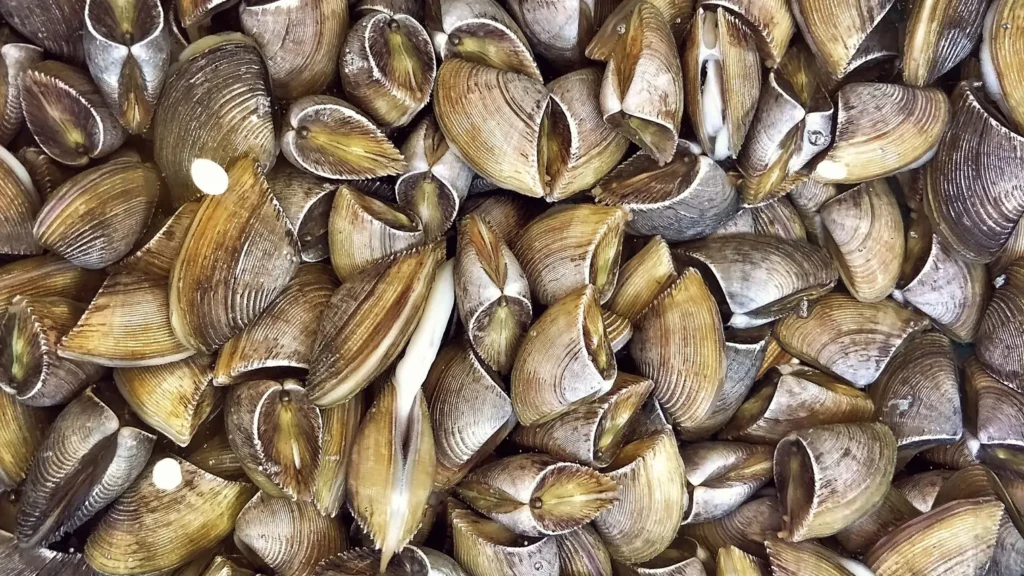
Table 5: Brief Summary of Benefits of the Invasive Species
| Potential Benefit | Long-Term Outcome |
|---|---|
| Soil stabilization by alien species | Decline of native vegetation |
| Filling species gaps | Reduced biodiversity |
Read Also: Smallest Desert in the World: 6 Lesser-known Facts about This Tiny Patch of Wild Nature
Management Strategies of the Invasive Species
Early Detection and Rapid Response
Early detection programs help us limit the role of invasive species in biodiversity decline by identifying alien species before they spread. The USA currently uses tools like USDA APHIS inspections and state rapid-response task forces to stop invasive plant and animal species at the border.
Public Awareness
Public campaigns strengthen our defense by teaching communities how alien species travel. Nationwide programs urge hikers, boaters, and gardeners to prevent the spread of invasive plant and animal species, reducing the overall role of invasive species in biodiversity loss.
Habitat Restoration
Restoring wetlands, prairies, and forests limits the role of invasive species in biodiversity by rebuilding native habitats. Projects such as Everglades restoration and Great Lakes coastal marsh recovery weaken alien species dominance and support native wildlife.
Read Also: Do Plants Feel Pain? 7 Shocking Truths About Plant Response
Regulatory Policies
Regulations guide the movement, monitoring, and removal of alien species. Laws like the Lacey Act, ballast-water standards, and state quarantine rules reduce the spread of invasive plant and animal species, lowering the nationwide role of invasive species in biodiversity damage.
Table 6: Sample Strategies Applied
| Strategy Type | U.S. Examples Implemented | Impact on Alien Species | Contribution to Biodiversity |
|---|---|---|---|
| Early Detection | USDA APHIS, eDNA monitoring | Finds invaders early | Reduces the transport of alien species |
| Public Awareness | “Clean, Drain, Dry” campaigns | Reduces transport of alien species | Protects native habitats |
| Habitat Restoration | Everglades Repair, Prairie rewilding | Weakens invasive plant and animal species | Supports local ecosystems |
| Regulatory Policies | Lacey Act, State quarantines | Restricts species movement | Lowers ecological disruption |
Read Also: The Power of Biological Control of Pests – 3 Proven Natural Solutions
Conclusion
As we have seen, the role of invasive species in biodiversity is far-reaching, multi-layered, and deeply interconnected with how ecosystems function. These alien species — whether plants, animals, or microorganisms — alter food webs, weaken native populations, transform landscapes, and impose huge ecological and economic burdens.
If we want future generations in the United States to experience thriving forests, wetlands, prairies, and coastlines, we must understand the ongoing influence of invasive plant and animal species and act early, collaboratively, and decisively.
Protecting biodiversity is not only a scientific priority — it’s a responsibility we share as caretakers of the natural world.
FAQs
1. What is the main role of invasive species in biodiversity decline?
They disrupt ecosystems by outcompeting and overwhelming native species.
2. How do alien species spread so rapidly across new regions?
Human travel, trade, disturbed habitats, and climate shifts accelerate their movement.
3. Why are invasive plant and animal species hard to control?
They reproduce fast and lack natural predators in their new environments.
4. What makes the USA vulnerable to biological invasions today?
Large coastlines, climate variation, and high global trade exposure.
5. How can communities reduce invasive species impacts locally?
Report sightings, avoid releasing pets, and support habitat restoration efforts.

