
“The farther we travel from people, the closer we get to ourselves.”
This old saying captures the truth of wandering into the world’s loneliest corners — where silence becomes the guide and distance becomes a teacher.
Introduction
Have you ever wondered what the true silence of Earth sounds like? Or why certain loneliest places continue to fascinate scientists, travelers, and explorers across the United States and beyond?
As modern life gets louder, our curiosity about remote destinations, isolated places, and uninhabited regions grows even louder.
And here’s a wild fact: according to global population distribution data, more than 60% of Earth’s landmass is either sparsely populated or empty. These are the spaces where the human footprint fades and nature takes over entirely.
In this guide, we’re traveling — together — across 10 of the loneliest places on Earth. Some are frozen wastelands. Some are abandoned islands. Some are deserts so large they swallow sound. All of them challenge what we think we know about human presence and absence.
Before we begin, ask yourself:
What do the loneliest places teach us about Earth… and about ourselves?
Let’s explore — slowly, deeply, and with wide-open curiosity.
Read Also: Negative Effects of Climate Change on Indigenous People of the World
Why These Loneliest Places Matter
These locations aren’t just empty. They’re meaningful windows into:
- Earth’s geological extremes
- Human history’s forgotten outposts
- Ancient climates recorded in ice, desert salt, and volcanic rock
- The limits of human survival
And because the USA is one of the largest travel markets in the world, many explorers from here venture into these remote destinations to reconnect with nature, disconnect from digital noise, or study extreme ecosystems.
Read Also: Evolution of the Atmosphere: Toxic World Became Our Life-Giving Air in 4.5 Billion Years
10 Loneliest Places on Earth
Below, each destination follows the same optimized framework for SEO clarity, user experience, and scientific insight.
#1. Tristan da Cunha (South Atlantic Ocean)

Location: 1,500 miles from the nearest continent
Population: About 240 people
What Makes It One of the Loneliest Places:
Tristan da Cunha is often described as one of the loneliest places on the planet because it’s accessible only by a six-day boat journey. No airports. No shortcuts. Just ocean.
What You’ll Find There:
Volcanic landscapes, vast seabird colonies, and an environment largely untouched.
Travel Difficulty: Extremely high — limited transport windows.
Key Highlights
- Known as the “remotest inhabited archipelago”
- Strong British–South Atlantic maritime heritage
Read Also: British Columbia’s Inland Temperate Rainforest: 5 Exclusive Facts
#2. Alert, Nunavut (Canada)
Location: 508 miles from the North Pole
Temperature Range: −30°F to −60°F in winter
Why It’s Among the Loneliest Places:
Alert is the northernmost permanently inhabited settlement. The polar night lasts months, creating a surreal experience where day and night lose meaning.
What You’ll Find There:
Military research stations, Arctic wildlife, and landscapes carved by ice.
Travel Difficulty: Extremely restricted; requires special permissions.
Read Also: 6 Best Places to See the Northern Lights
#3. McMurdo Dry Valleys (Antarctica)
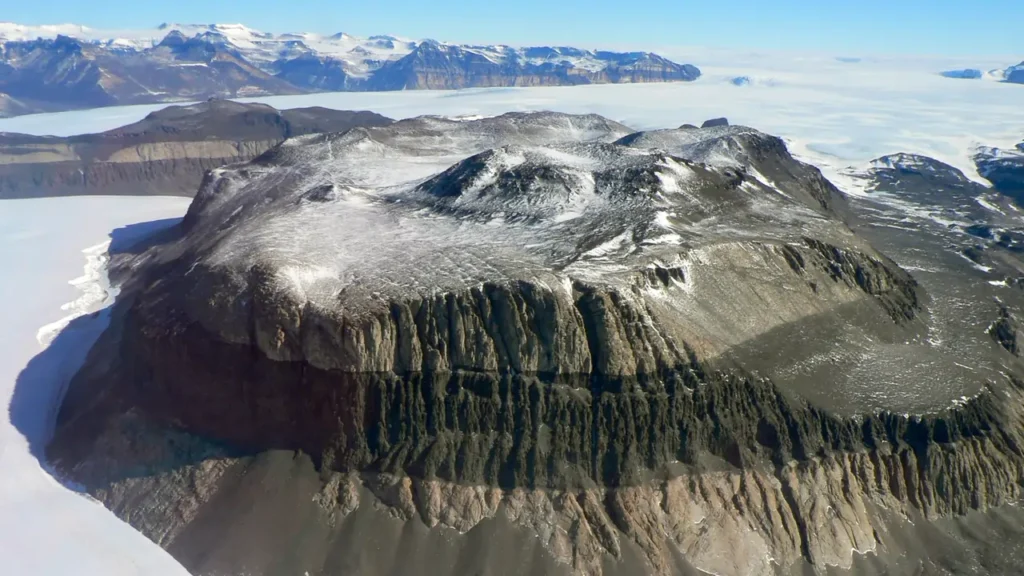
Location: Antarctica’s largest ice-free region
Climate: Coldest, driest desert on Earth
Why It’s One of the Loneliest Places:
With zero residents and landscapes that resemble Mars, this is one of the most uninhabited regions on Earth.
NASA uses it to study extraterrestrial survival conditions.
What You’ll See:
Ancient glaciers, frozen lakes with mysterious microbial life forms, and silence that scientists describe as “otherworldly.”
Read Also: Antarctica from Space: A Visual Story of a Continent in Crisis
#4. Devon Island (Canada)
Location: Canadian Arctic Archipelago
Nickname: “Mars on Earth”
Why It’s One of the Loneliest Places:
No residents. No towns. Just cold desert plains, meteorite craters, and NASA field labs simulating Mars missions.
What You’ll Experience:
A surreal sense of emptiness — the kind that forces introspection.
Read Also: Arctic Food Web: Deadly Predators and the Surprising Secrets of Icy Survival
#5. Pitcairn Island (Pacific Ocean)
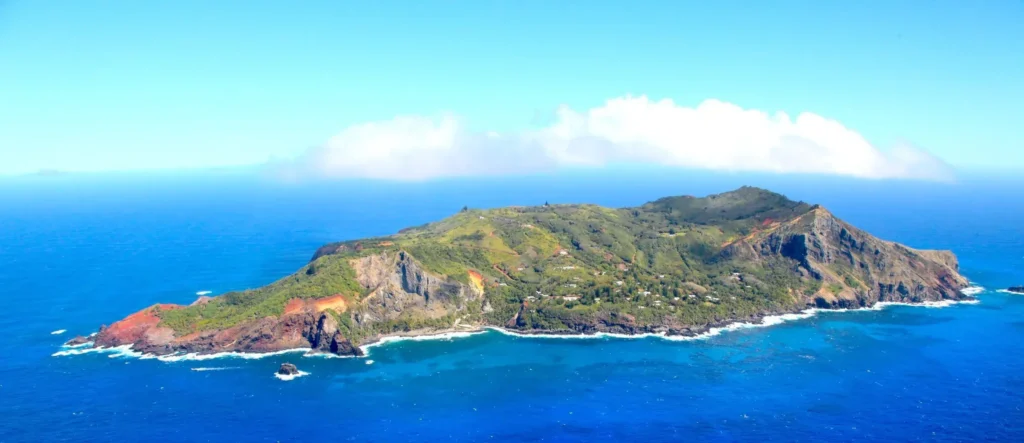
Population: Fewer than 50 people
Famous For: Descendants of the HMS Bounty mutineers
Why It’s a Lonely Place:
Pitcairn’s isolation defines it — there’s no airport, and supply ships arrive just a few times per year.
What You’ll Find:
Ancient Polynesian artifacts, rugged cliffs, and a community bound tightly by history.
Read Also: Why Are the Oceans Blue? The 3 Secrets Behind the Color of the Sea
#6. Siberian Taiga (Russia)
Size: Over 5 million square miles
Climate: Subarctic
Why It’s One of the Loneliest Places:
Dense forests stretch endlessly with almost no human settlements, and winters can hit −70°F.
What You’ll See:
Frozen rivers, wolves, lynx, and some of Earth’s deepest wilderness silence.
Read Also: Oymyakon – The Coldest Inhabited Place on Earth: Brutal Truths About Life at -60°C
#7. La Rinconada (Peru)
Elevation: 16,700 feet — world’s highest permanent settlement
Why It’s a Lonely Place:
Extreme altitude makes oxygen scarce. Temperatures stay below freezing. Infrastructure is minimal.
Why People Live There:
Gold mining — often using traditional, difficult methods.
Read Also: 5 Amazing Water Supply Techniques in Dry Regions of the World
#8. Easter Island, Chile (Rapa Nui)
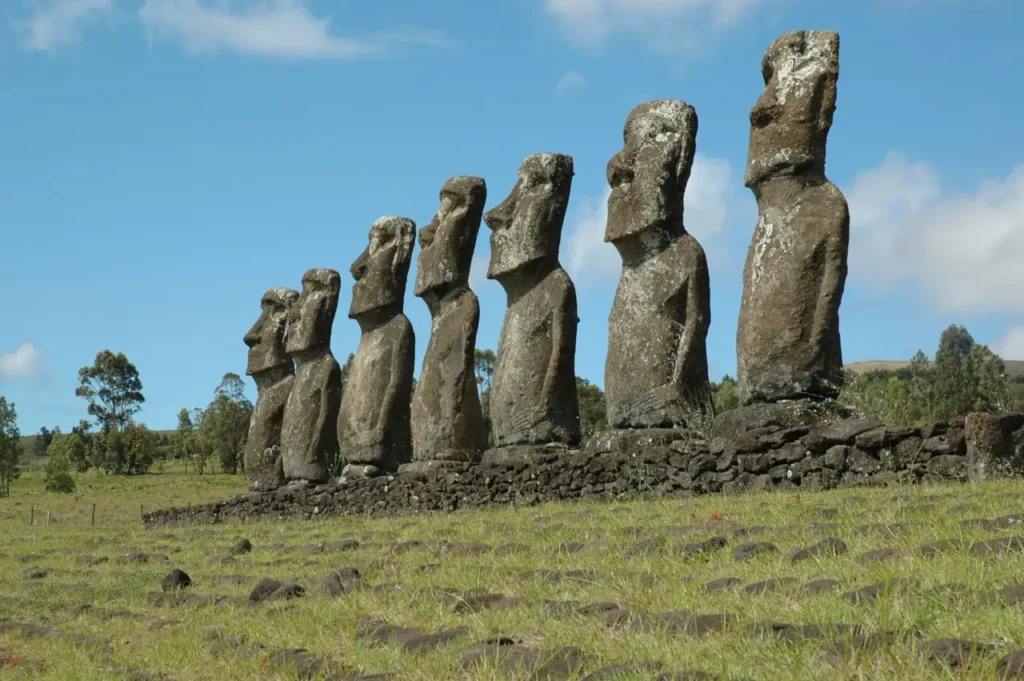
Famous For: Moai stone statues
Population: Around 7,000
Why It Counts Among the Loneliest Places:
One of the world’s most isolated inhabited islands, thousands of miles from any major settlement.
What You’ll Find:
Archaeological wonders that still challenge historians.
Read Also: 12 Most Unique Islands in the World: Don’t Forget to Keep in Your Bucket List
#9. Atacama Desert (Chile)
Rainfall: Some regions haven’t seen rain in centuries
Why It’s One of the Loneliest Places:
The Atacama is the driest non-polar desert in the world — its landscapes resemble Mars.
NASA uses it for rover testing.
What You’ll See:
Salt flats, geysers, and star-filled skies with unmatched clarity.
Read Also: 5 Most Extreme Climates on Earth That Make Survival Impossible
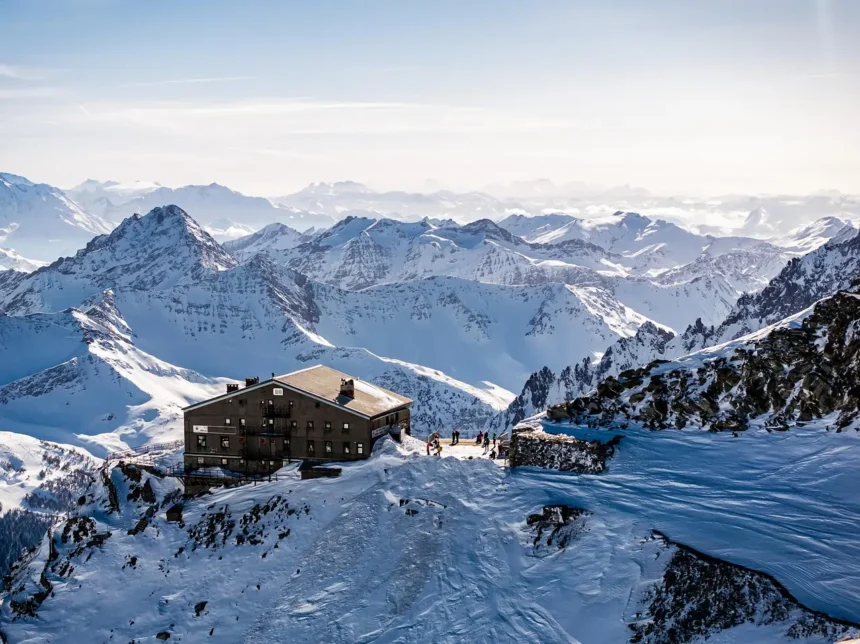
#10. Aoraki/Mount Cook National Park (New Zealand)
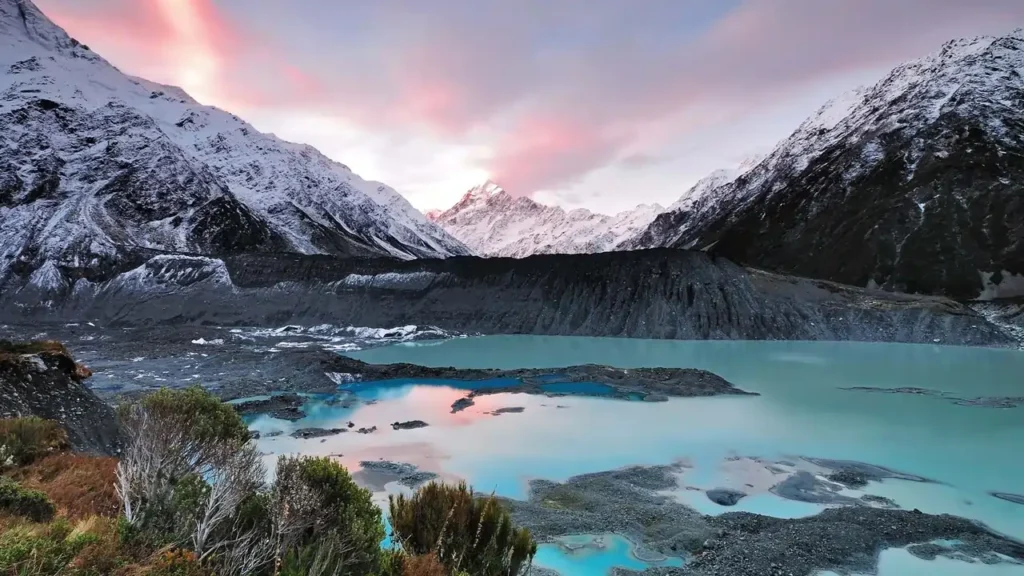
Known For: Glaciers, alpine wilderness, and glacial valleys
Why It’s Among the Loneliest Places:
Massive terrain with minimal human presence. Silence wraps around every ridge.
What You’ll Experience:
Icy winds, dramatic peaks, and deep blue glacier lakes.
Read Also: 7 Incredible Facts About the World’s Highest Mountains by Continents You Should Know
Table 1: Loneliness at a Glance
| Place | Country | Population | Type | Accessibility | Distinct Feature |
|---|---|---|---|---|---|
| Tristan da Cunha | UK Territory | ~240 | Island | Very Hard | Most remote inhabited archipelago |
| Alert | Canada | 0–50 (rotational) | Arctic base | Restricted | Closest to North Pole |
| McMurdo Dry Valleys | Antarctica | 0 | Polar desert | Scientific permits | Mars-like terrain |
| Devon Island | Canada | 0 | Arctic island | Limited | NASA Mars training site |
| Pitcairn Island | UK Territory | <50 | Remote island | Ship only | Descendants of mutineers |
| Siberian Taiga | Russia | Sparse | Forest | Difficult | Endless subarctic wilderness |
| La Rinconada | Peru | ~50,000 | High-altitude town | Hard | World’s highest settlement |
| Easter Island | Chile | ~7,000 | Island | Remote flights | Moai statues |
| Atacama Desert | Chile | Minimal | Desert | Moderate | Driest place on Earth |
| Aoraki/Mount Cook | NZ | Very few | Mountain region | Moderate | Massive glaciers |
5 More of the World’s Loneliest Places
If the first ten destinations weren’t isolated enough, here are five more of the loneliest places on Earth — each one offering its own brand of silence, beauty, and extreme remoteness. These additional entries further highlight the vastness of Earth’s remote destinations, isolated places, and uninhabited regions.
1. Svalbard (Arctic Ocean | Norway)
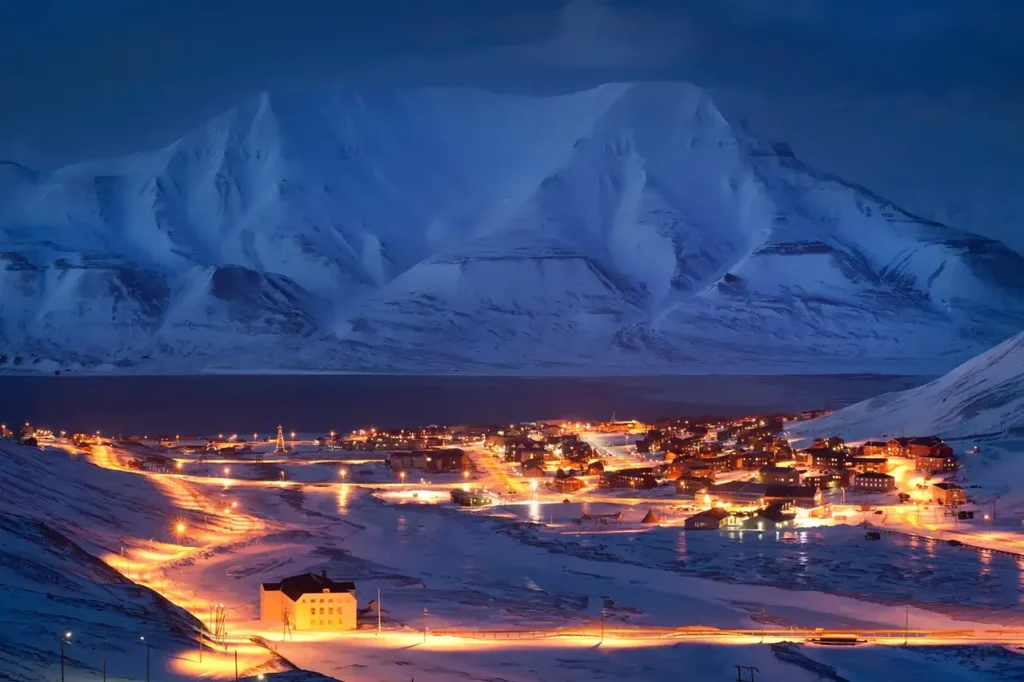
Location: Between mainland Norway and the North Pole
Population: ~2,500 (mostly in Longyearbyen)
Why It’s Among the Loneliest Places:
Svalbard sits in one of the world’s harshest climatic zones. Polar nights last nearly four months, and polar bears outnumber humans. Large portions of the archipelago remain completely uninhabited.
What You’ll Experience:
Frozen fjords, glaciers, and a surreal Arctic stillness. The deeper you move away from Longyearbyen, the faster the world disappears.
Read Also: Norway is becoming the world’s richest country: Is their wealth boom unfair?
2. Northern Greenland (Kalaallit Nunaat)
Location: High Arctic region of Greenland
Population: Extremely sparse — fewer than 1,000 residents across thousands of miles
Why It’s One of the Loneliest Places:
Ice sheets, permafrost, polar deserts, and permanent glaciers dominate northern Greenland. Human habitation is almost impossible across most of the area, making it one of Earth’s most uninhabited regions.
What You’ll See:
Icebergs, calving glaciers, narwhals, Arctic foxes, and a landscape that feels stuck outside of time.
Read Also: Climate Change and Greenland Glacial Melt – 5 Alarming Effects
3. Kamchatka Peninsula (Russia)
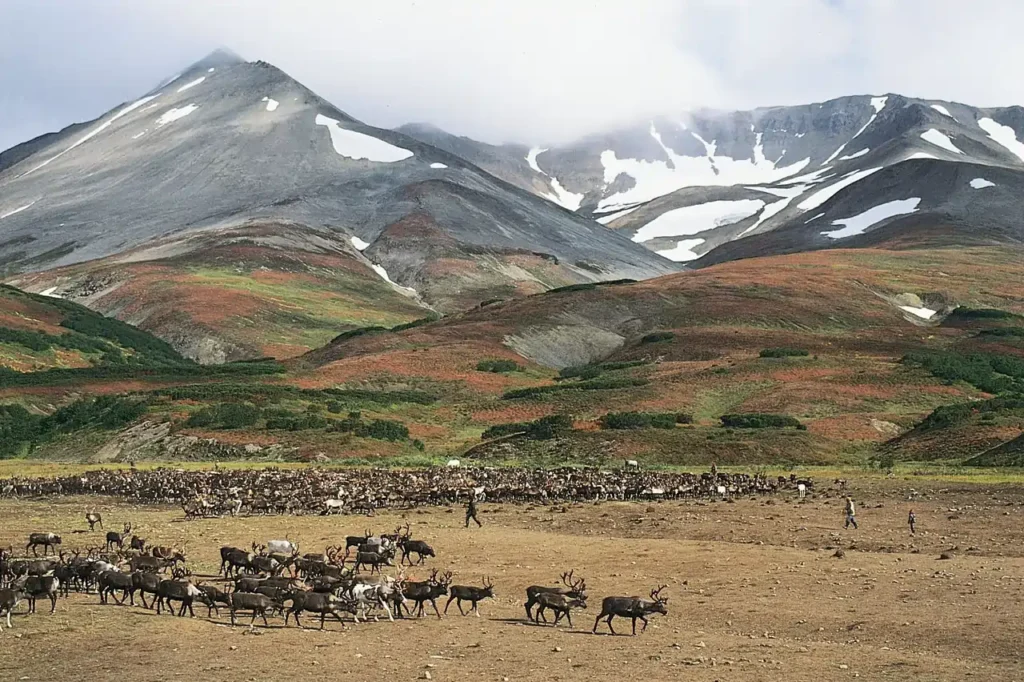
Location: Russian Far East, between the Pacific Ocean and the Sea of Okhotsk
Population: ~300,000 (but spread across a massive territory)
Why It’s One of the Loneliest Places:
Kamchatka is isolated by mountains, volcanoes, and a lack of roads. Many regions are accessible only by helicopter or boat. Villages are few and far between.
What You’ll Experience:
Over 160 volcanoes (29 active), geyser valleys, brown bears, and vast wilderness with almost no human noise.
4. The Sahara’s Tanezrouft Route (Algeria–Mali)
Nickname: “Land of Terror”
Why: Known for extreme heat, scarcity of water, and nearly zero settlements
Why It’s Among the Loneliest Places:
The Tanezrouft is one of the hottest, driest, and most lifeless sections of the Sahara. Historically, caravans crossed it only with great risk. Today, it remains a vast expanse of dunes, salt flats, and fierce winds — virtually uninhabitable.
What You’ll See:
Endless sand, rock plateaus, mirages, and a silence so intense it feels physical.
Read Also: 7000-Year-Old Mummies in the Sahara Desert that Don’t Have DNA Similarities with Modern Man
5. The Australian Outback (Great Victoria Desert)
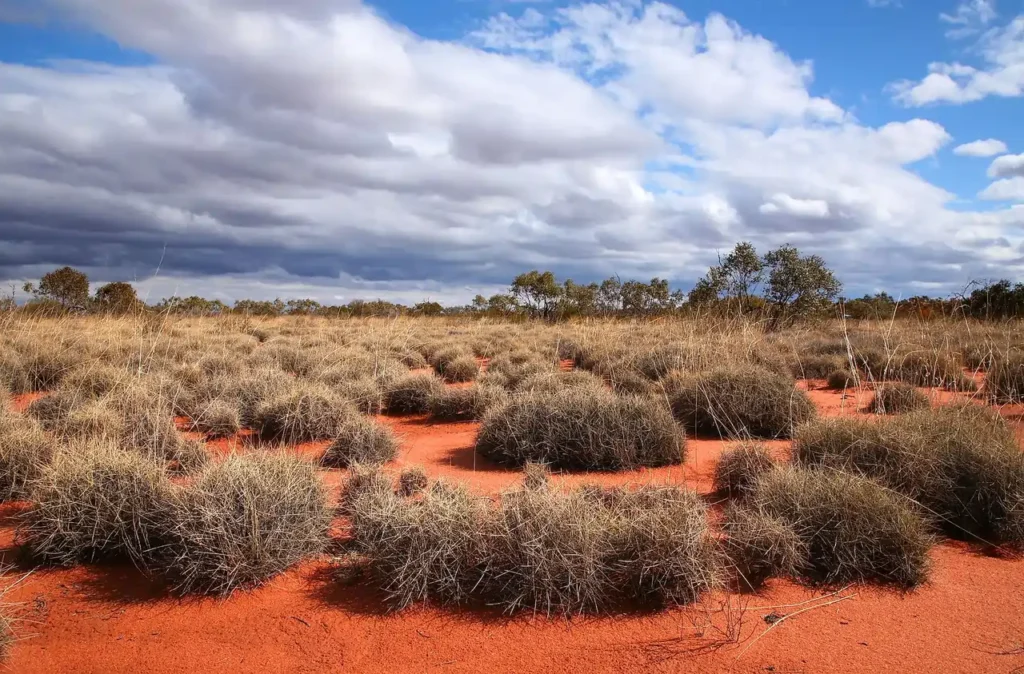
Location: Southern Australia
Size: Over 160,000 square miles
Why It’s One of the Loneliest Places:
The Great Victoria Desert is Australia’s largest desert — and one of its least populated. Harsh heat, scarce water, and minimal infrastructure make settlements rare.
What You’ll Experience:
Red dunes, rocky plains, Aboriginal cultural landscapes, and stretches of land where you can drive for hours without seeing another soul.
Read Also: How is the West Australian Desert Formed?
Table 2: Comparison of Loneliness
| Place | Region | Population | Climate | Why It’s Lonely |
|---|---|---|---|---|
| Svalbard | Norway | ~2,500 | Arctic | Harsh climate, 4-month polar night, polar bears |
| Northern Greenland | Greenland | <1,000 | Arctic | Ice sheets, near-uninhabitable terrain |
| Kamchatka | Russia | Sparse | Subarctic | No road network; volcanic isolation |
| Tanezrouft | Sahara | Almost none | Hyper-arid desert | Extreme heat, no water sources |
| Great Victoria Desert | Australia | Very low | Hot desert | Vast distance, zero major towns |
What Makes a Place Truly Lonely?
Understanding what defines the loneliest places on Earth goes far beyond counting how many people live there. True geographical loneliness is shaped by environmental forces, physical barriers, and historical patterns that keep entire landscapes untouched for centuries. When we look closely at remote destinations, isolated places, and vast uninhabited regions, we discover a deeper story about Earth’s evolution.
- Extreme climates (cold, dry, or oxygen-poor): Many of the loneliest places remain empty because the climate does not allow long-term survival. Temperatures may plunge below freezing year-round, or rise to unbearable highs in desert zones. Some remote destinations exist in oxygen-poor altitudes where breathing becomes difficult. Others sit in environments so dry that rain hasn’t fallen in decades. These harsh climates shape isolated places where only the hardiest forms of life can survive — and where human presence becomes nearly impossible.
- Geographic barriers like oceans or mountains: Oceans, towering mountain ranges, polar ice caps, and dense forests often act as natural shields. They surround many of the world’s loneliest places, preventing roads, settlements, or large-scale development. The deeper you move into these uninhabited regions, the more the world feels cut off, as if time has stood still for thousands of years.
- Lack of infrastructure: Absence of infrastructure or other development works — no paved roads, no ports, no rail lines, no communication systems, keeps remote destinations and isolated places frozen in their natural state, untouched by modern influence.
- Historical abandonment: Some of these loneliest places were once inhabited, but over time, harsh conditions forced people to leave.
- Limited access by roads, ships, or planes: When transportation becomes nearly impossible, landscapes remain profoundly empty. These uninhabited regions evolve without human interference, giving researchers rare insight into ancient climates, geological patterns, and even planetary science. That’s why many of Earth’s loneliest places are also among its most scientifically valuable.
In these spaces, ecosystems evolve with minimal human influence — offering insight into Earth’s past and clues about planetary science.
Read Also: Top 10 Weirdest Looking Natural Structures That Will Blow Your Mind
Benefits & Risks of Visiting Remote Areas
Benefits
- Quiet environments help us reset mentally
- Unique biodiversity and geological formations
- Cultural and historical insight into forgotten worlds
Risks
- Limited medical assistance
- Harsh weather and restricted transport
- Communication blackout zones
Key Takeaway
The loneliest places across Earth — from Antarctica to the Pacific — reveal the beauty of isolation, the science of extreme environments, and the profound stillness hidden in our planet’s most remote corners.
Conclusion
When we explore the world’s loneliest places, we’re not just looking at maps. We’re witnessing Earth in its truest form — untouched, unhurried, and unchanged.
These loneliest places remind us that solitude isn’t empty. It’s powerful. It’s ancient. It’s full of meaning.
And whether we view them from afar or dream of visiting someday, they invite us to ask deeper questions about our place on this planet.
Sometimes the quietest destinations speak the loudest truths.
FAQs
1. What defines the loneliest places on Earth?
Loneliness comes from extreme isolation, minimal human presence, harsh climates, and difficult accessibility across remote destinations worldwide.
2. Can tourists visit these isolated places safely?
Some are accessible with guides, while others require permits. All isolated places demand preparation, climate awareness, and safety planning.
3. Why do scientists study uninhabited regions?
These regions reveal climate history, geological formations, microbial life, and environmental patterns unaffected by human activity.
4. Which loneliest places most resemble other planets?
McMurdo Dry Valleys, Devon Island, and the Atacama Desert closely replicate Martian landscapes, atmospheric conditions, and soil chemistry.
5. Are isolated locations important for wildlife?
Yes. Many remote destinations protect wildlife species that thrive without human interference, preserving delicate ecosystems.