


“The road doesn’t forgive mistakes — it simply shows the consequences.”
Every year, thousands of Americans travel long stretches of asphalt that look perfectly ordinary but hide stories of tragedy, congestion, engineering flaws, and unpredictable patterns. When we explore the most dangerous highways in the US, we’re not just reading statistics — we’re confronting the real risks millions of drivers face every day.
As travelers, commuters, and everyday Americans, we must ask:
Why do certain highways keep appearing on the list of the deadliest highways in America?
What makes specific interstate segments far more lethal than others?
And are we doing enough to stay safe?
In this data-backed analysis, we unpack the most dangerous highways in the US, examine the science behind risk, and explore what turns a simple stretch of road into one of the deadliest highways in America.
To ground our research, we refer to the widely cited 20-year study (2000–2019) conducted by Elk & Elk, which examined more than 91,000 fatal crashes across the nation’s road network.
Why Understanding Dangerous Highways Matters
As drivers and responsible citizens, we understand that the road is more than a physical route — it’s a system influenced by human behavior, geography, engineering design, and traffic flow.
The most dangerous highways in the US show patterns that teach us:
- How infrastructure evolves
- How urbanization increases conflict points
- How driver behavior interacts with roadway design
- How speed, congestion, and interchange density influence deadly outcomes
When we study the deadly US interstates, we learn how to protect ourselves more effectively and develop safer habits.
Read Also: Top 5 Most Popular and Longest Roads in the US That Will Blow Your Mind
How the Deadliest Highways Were Identified
The rankings in this article come from a long-term dataset analyzing fatal crashes along major US highways. The methodology focuses on:
- Total fatal crashes
- Total fatalities
- Crash concentration per mile
- Urban vs. rural segments
- Interchange density
- Traffic volume
- Design complexity
This gives us a clear picture of why certain roads emerge as the deadliest highways in America.
Top 10 Most Dangerous Highways in the US
Below is a snapshot table from the Elk & Elk research, summarizing the most lethal stretches:
Table 1: Deadliest Highway Segments (2000–2019)
| Rank | Highway & Segment | Location (Metro Area) | Fatal Crashes | Fatalities |
|---|---|---|---|---|
| 1 | I-45 (Exits 49B–60A) | Houston, Texas | 142 | 148 |
| 2 | I-35E (Exits 430C–440B) | Dallas, Texas | 136 | 144 |
| 3 | I-95 (Exits 18–27) | Miami, Florida | 132 | 146 |
| 4 | I-30 (Exits 45B–55) | Dallas, Texas | 130 | 138 |
| 5 | I-35E (Exits 420–430B) | Dallas, Texas | 118 | 128 |
| 6 | I-635 (Exits 8A–19A) | Dallas, Texas | 112 | 122 |
| 7 | I-95 (Exits 7–16) | Miami, Florida | 108 | 123 |
| 8 | I-45 (Exits 38–47D) | Houston, Texas | 104 | 111 |
| 9 | US-75 (Exits 20B–284B) | Dallas, Texas | 100 | 107 |
| 10 | SR-826 (NW 74th St – NW 37th Ave) | Miami, Florida | 66 | 67 |
These numbers show a striking reality:
Texas and Florida dominate the list of the most dangerous highways in the US.
Read Also: 15 Incredible Places to See on Your California Road Trip for an Unbeatable Experience
1. Interstate 45 (Houston, TX): The Most Dangerous Highway in America
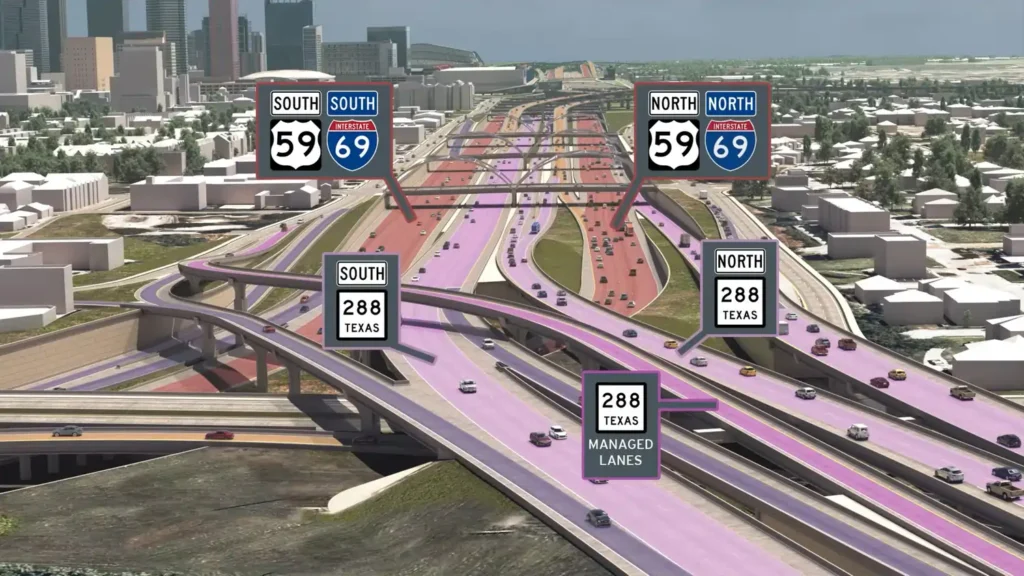
I-45 consistently ranks first among the most dangerous highways in the US, primarily due to:
- Heavy urban congestion
- Complex multi-lane interchanges
- Elevated speeds
- High commuter density
- Aggressive lane merging
This corridor’s crash rate reflects its urban design challenges, rapid development, and massive traffic load.
2. Interstate 35E (Dallas, TX): A Deadly Combination of Speed & Complexity
The Dallas stretch of I-35E is one of the deadliest US interstates because:
- Traffic flow changes rapidly
- Commercial trucking density is high
- The road includes tight curves and fast merges
- Weather conditions and construction zones increase risks
These compounding issues explain why I-35E repeatedly appears on lists of the deadliest highways in America.
3. Interstate 95 (Miami, FL): Florida’s Most Lethal Corridor
Urban Miami makes I-95 one of the most dangerous highways in the US due to:
- High-speed driving in dense metro zones
- Frequent on-ramps and off-ramps
- Tourists unfamiliar with the roadway
- Congestion around the airport and port access
This corridor sees some of the highest crash densities in the country
Read Also: How Miami is Battling Sea-Level Rise Due to Climate Change: 6 Strong Strategies
4. Interstate 30 (Dallas, TX): A High-Risk East–West Connector
I-30’s dangers come from:
- Aging infrastructure
- Lane merges that force quick decisions
- Mixture of local and interstate traffic
- Sudden changes in speed limits
It ranks high among the deadliest highways in America.
5. Interstate 35E (Exits 420–430B), Dallas, Texas
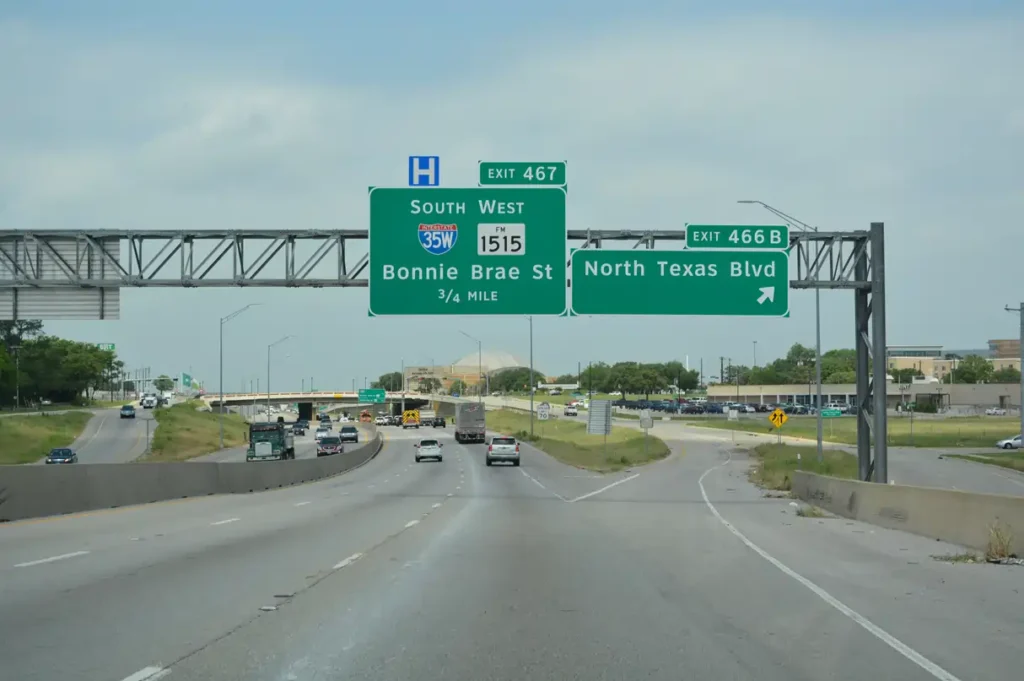
Interstate 35E appears twice on the list of the most dangerous highways in the US, and this southern Dallas segment is especially notorious. This corridor mixes heavy commercial trucking with dense commuter traffic, creating constant speed fluctuations and unpredictable merging patterns.
Several factors elevate its risk level:
- Narrow shoulders in certain areas
- Fast lane changes due to abrupt interchange exits
- Heavy freight movement from South Dallas
- Frequent construction activity
Because of these issues, this portion of I-35E remains one of the deadliest highways in America, where both local drivers and passing travelers must navigate a complicated traffic ecosystem. When we talk about deadly US interstates, this ten-mile band consistently stands out.
Read Also: Top 10 Most Polluted Cities in the US in 2025
6. Interstate 635 (Exits 8A–19A), Dallas, Texas
I-635, known locally as the LBJ Freeway, is infamous for weaving, congestion, and multi-level interchanges — all of which contribute to its ranking among the most dangerous highways in the US.
What makes this segment hazardous?
- Multiple entry and exit ramps are packed within short distances
- Large numbers of 18-wheelers
- Lane-weaving behavior caused by confusing interchange design
- High speeds mixed with sudden traffic slowdowns
Drivers navigating I-635 often deal with moment-to-moment changes in traffic density and lane patterns. These conditions combine to make it one of the deadliest highways in America, especially for commuters traveling during peak hours. Among deadly US interstates, this corridor is one of Texas’s most challenging.
7. Interstate 95 (Exits 7–16), Miami, Florida
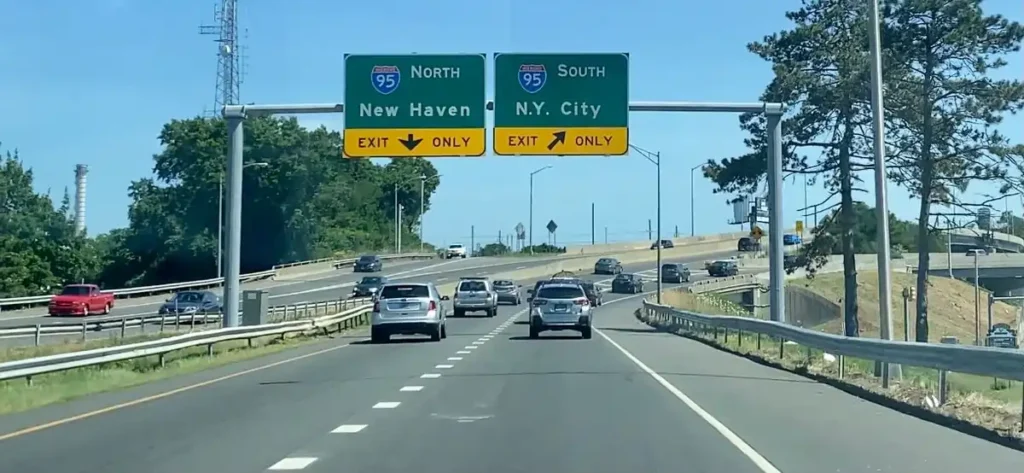
This Miami segment of I-95 reinforces why Florida repeatedly appears in any analysis of the most dangerous highways in the US. Stretching through the heart of the city, the roadway is packed with commuters, delivery vehicles, and tourists unfamiliar with local ramp configurations.
Why it’s so deadly:
- Rapid lane merges near downtown
- Heavy tourist volume heading toward Miami Beach and the cruise port
- High-speed driving despite dense traffic
- Sudden bottlenecks around major junctions
Due to these factors, the I-95 Miami corridor consistently ranks among the deadliest highways in America. It’s a core part of the statewide network of deadly US interstates, where visibility issues, congestion, and aggressive driving collide.
Read Also: Functional Extinction of 2 Florida Coral Species: What This Critical Ecological Loss Means to Us?
8. Interstate 45 (Exits 38–47D), Houston, Texas
The second Houston section of I-45 exemplifies why the interstate is repeatedly referred to as one of the most hazardous highways in the US. Running through central Houston, the stretch experiences enormous daily pressure from commuters, commercial fleets, and long-distance travelers.
Contributing factors include:
- Rapid shifts between elevated and ground-level structures
- Multiple entry points in short distances
- Persistent congestion around downtown
- Frequent lane diversions due to roadway expansion projects
These conditions make it one of the deadliest highways in America, where even a momentary distraction can lead to severe multi-vehicle crashes. In the larger context of deadly US interstates, this section of I-45 remains one of the most difficult and unpredictable.
9. US Highway 75 (Exits 20B–284B), Dallas, Texas
US-75, also known as the Central Expressway, is a major Dallas commuter route that repeatedly ranks among the most dangerous highways in the US. With thousands of office workers, students, and long-haul drivers using it daily, the corridor experiences some of the region’s heaviest traffic volume.
Its risk factors include:
- Long stretches of high-speed traffic
- Sudden stop-and-go congestion
- Limited reaction time due to closely spaced exits
- High-density merging during peak hours
This combination pushes US-75 into the category of the deadliest highways in America, especially in the northern Dallas suburbs, where the roadway narrows. As part of the network of deadly US interstates and expressways, its crash rate remains a point of concern for safety experts.
10. State Road 826 (NW 74th St to NW 37th Ave), Miami, Florida
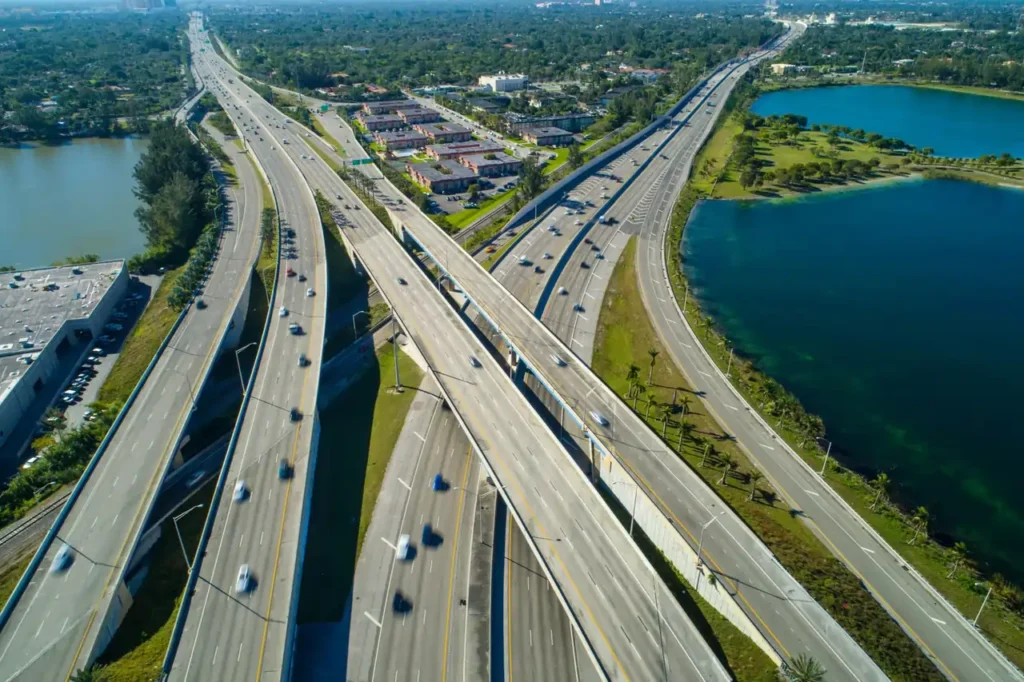
SR-826, widely known as the Palmetto Expressway, is a major north–south artery in Miami and a recurring entry on lists of the most dangerous highways in the US. The road is infamous for congestion, bottlenecks, and sudden slowdowns.
Key contributors to its danger level:
- Extremely dense local traffic
- Aggressive merging from feeder roads
- Tourist drivers navigating unfamiliar interchanges
- Chronic congestion around the airport and industrial zones
Because of these characteristics, SR-826 stands as one of the deadliest highways in America, notorious for chain-reaction crashes and multi-lane collisions. Its reputation among deadly US interstates and expressways is well-earned, with consistently high crash counts year after year.
Read Also: Endangered Species in Florida – 10 Extremely Vulnerable Lives
Why These Highways Become Deadly
Understanding why the most dangerous highways in the US consistently record high fatality numbers requires us to look beyond simple traffic volume and examine deeper structural and behavioral patterns.
When we study the deadliest highways in America, four major factors stand out — each significantly shaping how these roads transform into hazardous environments for millions of drivers.
1. Interchange Density
One of the strongest predictors of crash severity is interchange density. The most dangerous highways in the US average 1.16 interchanges per 10 miles, a figure roughly 33% higher than the national norm. Each interchange introduces merging, weaving, and conflict points, which naturally raise the odds of collisions. This is why many of the deadly US interstates become high-risk corridors even during off-peak hours.
2. Urban Congestion
A striking 84% of the deadliest highways in America pass directly through major metro areas such as Dallas, Houston, and Miami. Urban corridors often combine fast-moving interstate traffic with unpredictable local driving patterns, creating a volatile blend that amplifies danger.
Congestion forces rapid braking, sudden lane changes, and aggressive positioning — all factors that worsen crash outcomes on the most dangerous highways in the US.
3. Driver Behavior
Speeding, distracted driving, tailgating, and lane weaving remain key contributors to fatal collisions. Human error accounts for a majority of crashes, and on the deadly US interstates, small mistakes escalate quickly due to high speeds and dense vehicle flow.
4. Infrastructure Built for Older Traffic Levels
Many segments of the most dangerous highways in the US were constructed decades ago, long before today’s traffic volumes. As a result, outdated ramps, narrow lanes, and aging designs struggle to handle modern load levels. These limitations amplify the risks on some of the deadliest highways in America.
Additional Table: Risk Factors Behind Deadly Highways
| Risk Factor | Description | Impact on Fatalities |
|---|---|---|
| High Interchange Density | Frequent exits/merges | Creates conflict points |
| Urban Congestion | Dense population centers | Encourages aggressive maneuvers |
| High Speeds | Interstate speed limits | Severe crash outcomes |
| Mixed Traffic | Cars + trucks + tourists | Conflicting driving styles |
| Aging Infrastructure | Outdated design | Increased rollover/side crash risk |
This table showcases why the most dangerous highways in the US share similar patterns.
Read Also: 10 Most Polluted Countries in the World in 2025
What We Can Learn from These Patterns
When we take a closer look at the patterns emerging from the most dangerous highways in the US, a clear message comes through: deadly roads are not random. They are shaped by design decisions, population growth, and the everyday choices we make behind the wheel. Studying the deadliest highways in America shows us how much transportation planning and human behavior intersect — often with life-or-death consequences.
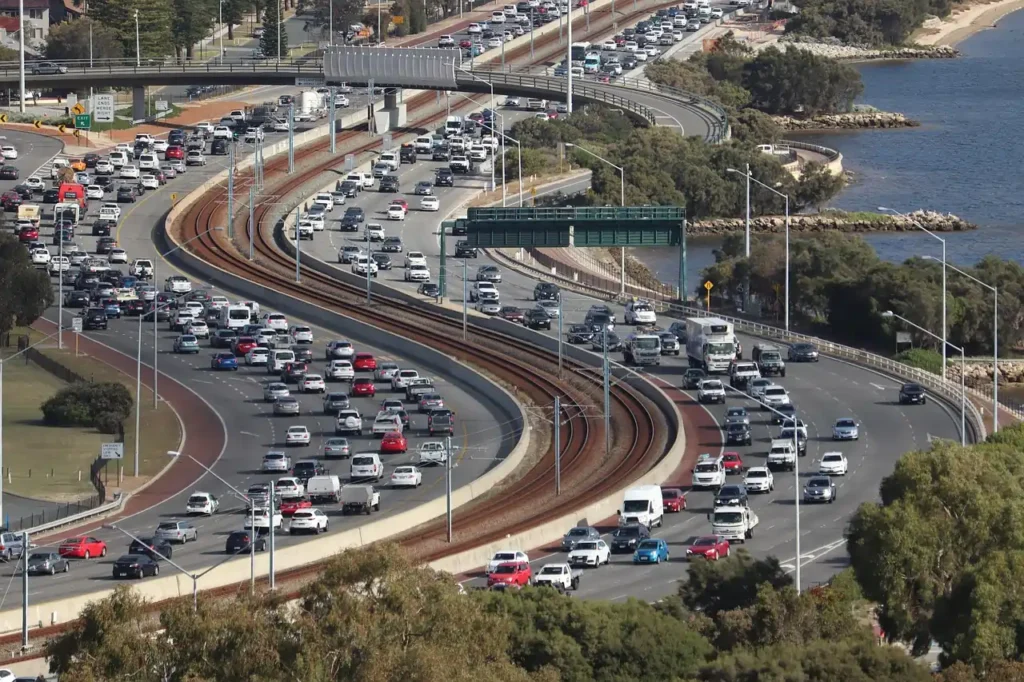
One of the most important lessons is the need for cities to rethink urban layout. High-risk corridors in major metros show how easily outdated infrastructure becomes overwhelmed. When interchanges, bridges, and feeder ramps were built decades ago, they weren’t designed for today’s traffic volume. That’s why so many deadly US interstates cluster in fast-growing regions. Upgrading these networks isn’t about convenience — it’s about survival.
Traffic enforcement also plays a critical role. Consistent monitoring of speeding, distracted driving, and unsafe lane changes significantly reduces fatalities. The most dangerous highways in the US consistently demonstrate higher crash rates where enforcement is limited or inconsistent.
Better lighting, clearer signage, and modern road markings are simple improvements that save lives. Many segments of the deadliest highways in America show increased accidents due to poor visibility, confusing exits, or inadequate warnings before sudden merges.
But the most powerful lesson is personal: safety begins with us. The most dangerous highways in the US remind us that smart choices — staying alert, reducing speed, respecting lane discipline — can dramatically reduce the risks on deadly US interstates.
Read Also: How Does Pollution Affect Animals? – 5 Tragic Effects
Key Takeaway
The most dangerous highways in the US aren’t dangerous by chance — they are shaped by heavy traffic, infrastructure challenges, driver behavior, and design limitations. Awareness is the first step toward prevention.
Conclusion
As we explore the most dangerous highways in the US, we understand that risk isn’t evenly distributed. Instead, it clusters around fast-growing metro regions with heavy congestion and aging infrastructure. By learning from data, keeping our attention sharp, and respecting the science of road safety, we can all navigate America’s highways with greater awareness.
These dangerous roads remind us of a simple truth:
Safety isn’t about the road — it’s about how we respond to it.
FAQs
1. Why are some highways considered the most dangerous highways in the US?
They combine high speeds, heavy traffic, complex interchanges, and outdated design elements. These factors sharply increase the likelihood of severe or fatal crashes.
2. Are the deadliest highways in America found only in big cities?
Most high-risk segments are in major metro regions, but rural roads can also be dangerous due to limited visibility, wildlife hazards, and emergency response delays.
3. How can drivers stay safe on deadly US interstates?
Slow down, avoid distractions, plan lane changes early, and maintain a safe following distance. These small habits drastically reduce crash risks on dangerous corridors.
4. Which states have the most dangerous highways in the US?
Texas and Florida dominate the list because of population growth, heavy tourism, high commuter traffic, and complex roadway systems.
5. Does infrastructure improvement help reduce fatalities?
Yes, modernizing ramps, expanding lanes, improving lighting, and installing intelligent traffic systems all contribute to safer highways.