

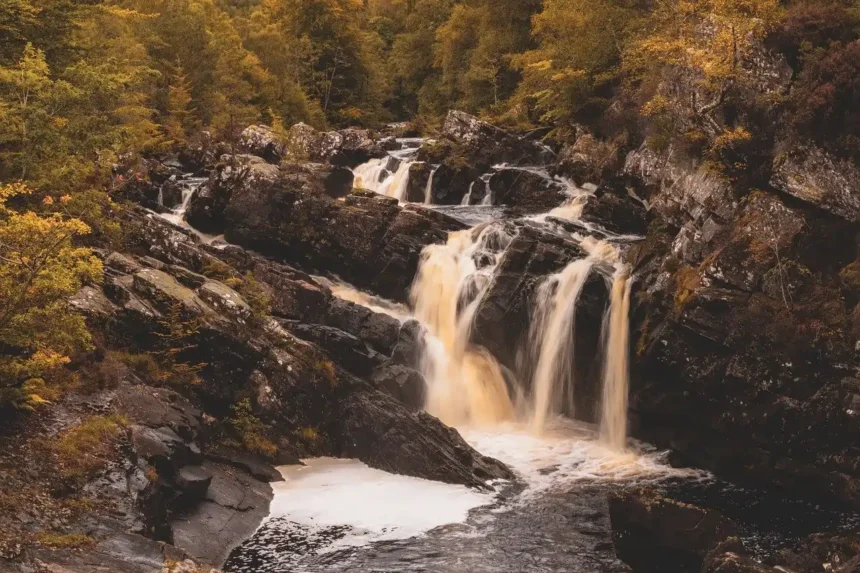
“There’s a unique kind of poetry in every falling drop of water — a reminder that nature creates masterpieces without ever rushing.”
Waterfalls have captivated humanity for centuries. They’re not just scenic landmarks; they’re geological artworks shaped by time, erosion, tectonic forces, and ancient rivers carving their stories into stone. As travelers, we’re always drawn to the most beautiful waterfalls because they offer the rare combination of power, serenity, mystery, and motion — all in one breathtaking moment.
But what defines the most beautiful waterfall in the world? Is it height, volume, color, landscape, or the emotional impact it leaves behind? In this guide, we explore waterfalls across multiple continents — each one a famous waterfall, a stunning waterfall, and a breathtaking waterfall in its own right.
We’ll ask big questions, share fascinating geographic facts, and offer travel insights for U.S. travelers. And together — we’ll discover what makes these natural wonders unforgettable.
Introduction
Have you ever wondered why waterfalls hold such universal appeal? According to studies published by organizations like the National Park Service, natural cascades increase relaxation by triggering negative ions, improving mood, and lowering stress. Beyond the science, nearly 45 million Americans visit waterfall destinations every year — chasing beauty, thrill, and connection to nature.
In this guide, we explore landscapes carved by volcanic eruptions, glaciers, ancient rivers, shifting tectonic plates, and tropical rainstorms. As we travel through continents, we’ll highlight each most beautiful waterfall, dive into cultural stories, and break down the geography behind their formation.
Read Also: Our Dynamic Planet: How Plate Tectonics Shapes the World
Quick Overview of the Top 10 Waterfalls
| Rank | Waterfall | Country | Height | Type | Best Known For |
|---|---|---|---|---|---|
| 1 | Angel Falls | Venezuela | 3,212 ft | Drop-type | World’s tallest uninterrupted fall |
| 2 | Iguazu Falls | Brazil/Argentina | 269 ft | Multi-step | Massive 275 cascades |
| 3 | Victoria Falls | Zambia/Zimbabwe | 354 ft | Curtain waterfall | “The Smoke That Thunders” |
| 4 | Niagara Falls | USA/Canada | 167 ft | Cataract | Immense water volume |
| 5 | Skógafoss | Iceland | 200 ft | Plunge | Rainbows + mythic landscape |
| 6 | Yosemite Falls | USA | 2,425 ft | Tiered | Granite cliffs + iconic national park |
| 7 | Kaieteur Falls | Guyana | 741 ft | Plunge | High volume + tropical setting |
| 8 | Plitvice Waterfalls | Croatia | Varies | Cascade | Turquoise lakes and travertine |
| 9 | Detian–Ban Gioc | China/Vietnam | 98 ft | Segmented | Border landscape + karst mountains |
| 10 | Seljalandsfoss | Iceland | 197 ft | Plunge | Walk-behind pathway |
Read Also: 10 Most Thrilling Trekking Routes in the World – Epic Trails for Adventure Seekers
1. Angel Falls, Venezuela
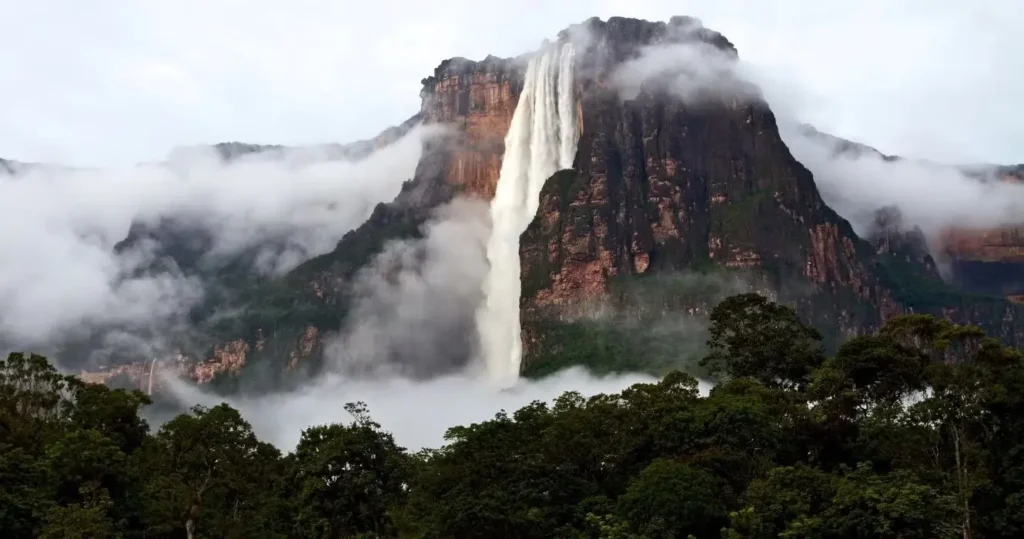
Angel Falls stands as the most beautiful waterfall for travelers who seek raw, untouched wilderness. Dropping an astonishing 3,212 feet from the Auyán-tepui plateau, it’s the tallest uninterrupted waterfall on Earth.
Why It’s Famous
- Recognized as the highest continuous waterfall
- Surrounded by prehistoric tabletop mountains
- Features in Amazonian legends
Key Features
- Height: 3,212 ft
- Type: Plunge/drop
- Fun fact: Water often evaporates mid-air, forming mist clouds
Best Time to Visit
- June–November (rainy season)
Travel Tip
Aim for a Canaima National Park tour — the only way to access this breathtaking waterfall is by river journey and bush plane.
Read Also: Top 10 Tallest Mountains of North America: Don’t Miss These Gigantic Peaks
2. Iguazu Falls, Argentina–Brazil
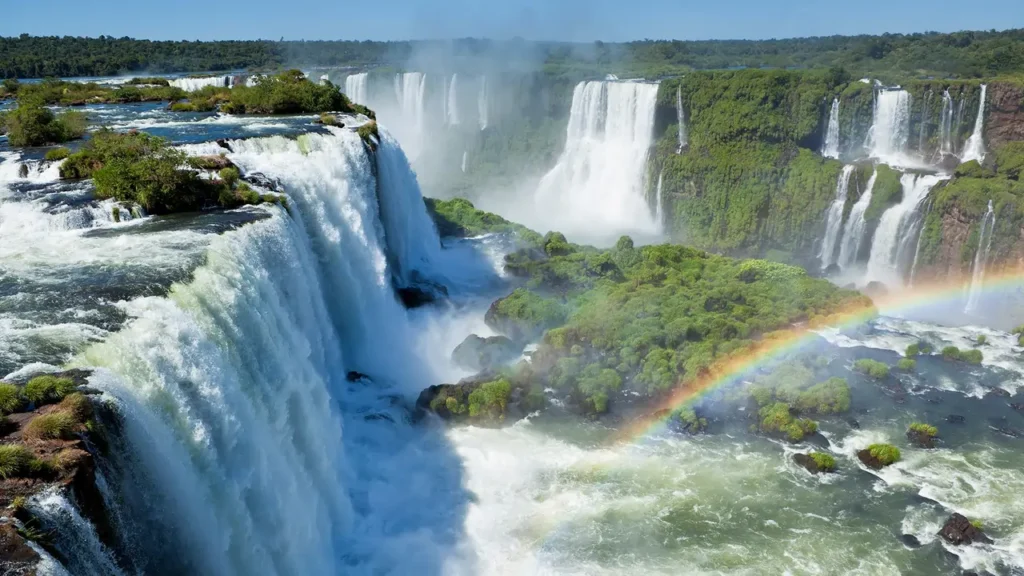
If one waterfall looks like a cathedral made of water, it’s Iguazu. With 275 cascades stretching across nearly two miles, Iguazu is a famous waterfall that feels alive.
Why It’s Famous
- Named one of the New Seven Natural Wonders
- Known for Devil’s Throat — the most powerful section
Key Features
- Height: 269 ft
- 275 separate drops
- Rainbows appear daily
Best Time to Visit
- March–July
Travel Tip
U.S. visitors should view both the Brazil and Argentina sides for the full experience of this stunning waterfall.
Read Also: Top 10 Weirdest Looking Natural Structures That Will Blow Your Mind
3. Victoria Falls, Zambia–Zimbabwe
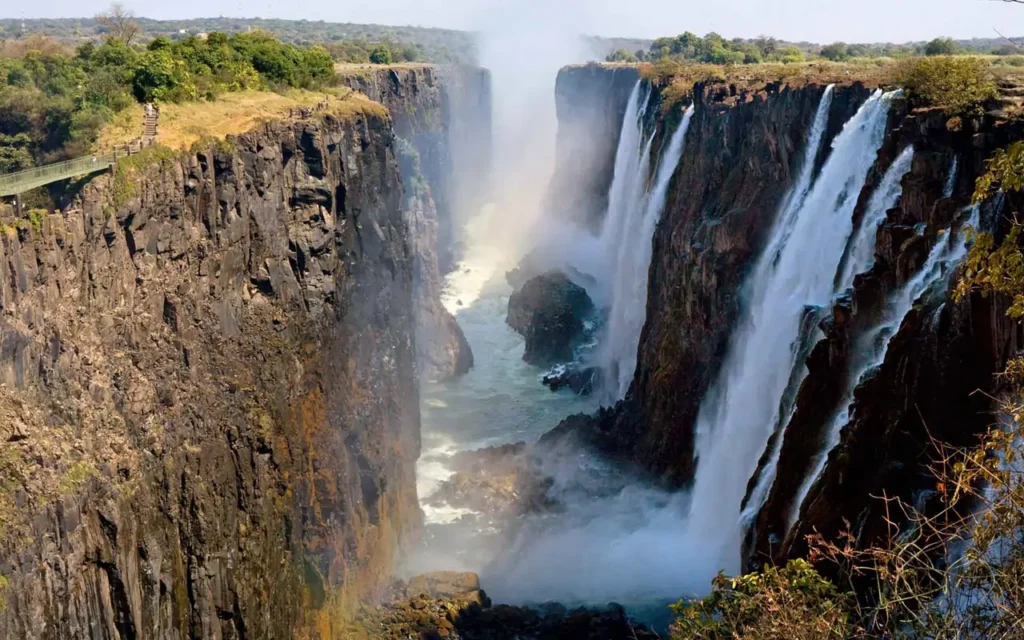
Known locally as Mosi-oa-Tunya — “The Smoke That Thunders” — Victoria Falls remains one of the most beautiful waterfall destinations for global adventurers.
Why It’s Famous
- World’s largest sheet of falling water
- Historic site explored by David Livingstone
Key Features
- Width: Over 5,600 ft
- Seasonal lunar rainbows
Best Time to Visit
- February–May for maximum water flow
Travel Tip
Explore both sides of the border; each provides a distinct scenic perspective.
Read Also: Explosive Threat: Top 10 Most Dangerous Volcanoes on Earth
4. Niagara Falls, USA–Canada
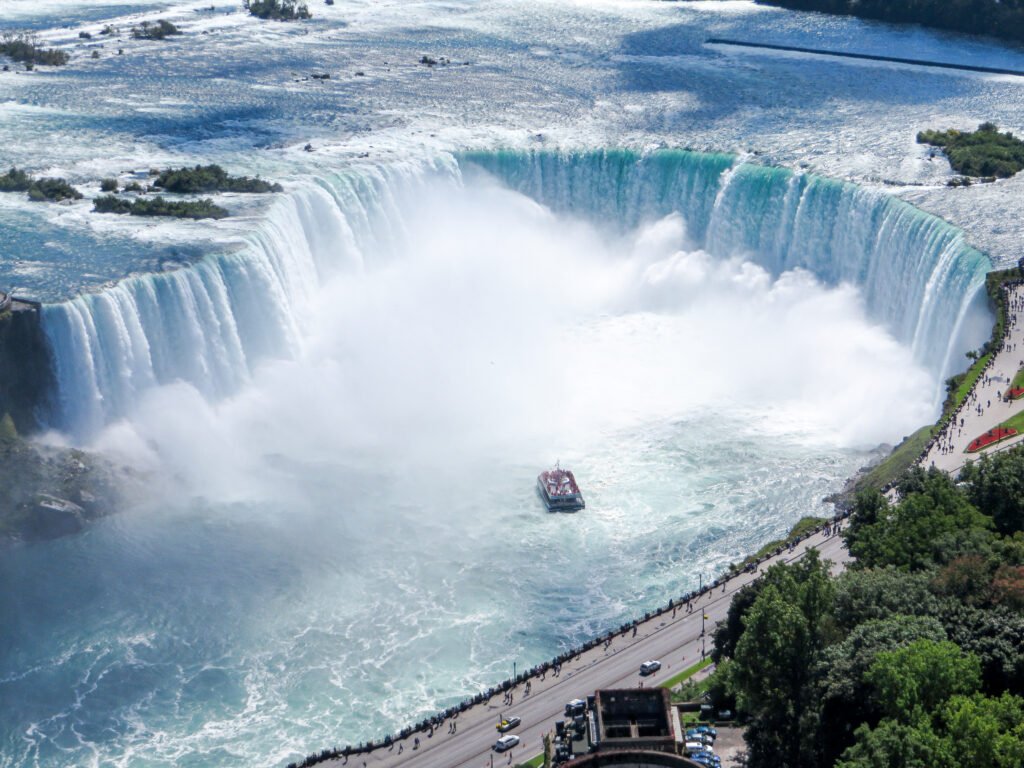
For U.S. travelers, Niagara is the easiest famous waterfall to access — and one of the most beautiful waterfall systems in North America.
Why It’s Famous
- Immense water flow
- Iconic American–Canadian landmark
- Popular honeymoon destination
Key Features
- Horseshoe Falls, American Falls, Bridal Veil Falls
- Up to 100,000 cubic feet of water per second
Best Time to Visit
- June–September
Travel Tip
The Maid of the Mist boat tour delivers a truly breathtaking waterfall moment.
Read Also: Cultural Differences Between Canada and the USA: 5 Unexpected Contrasts
5. Skógafoss, Iceland
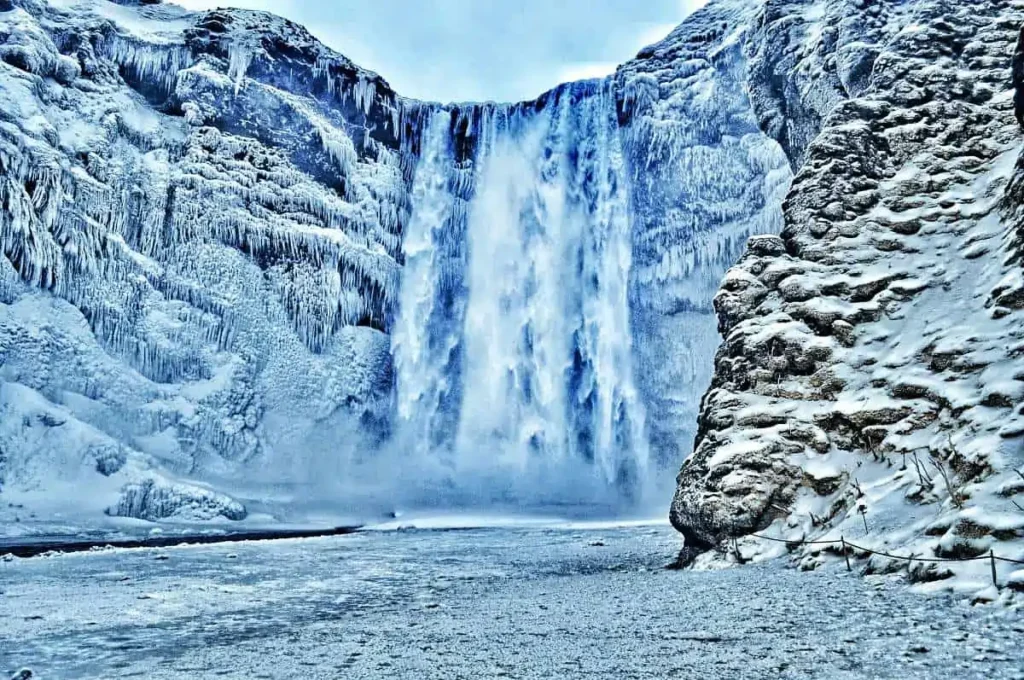
This Icelandic masterpiece feels like stepping into a Norse legend. Skógafoss is one of the most beautiful waterfall locations for photographers.
Why It’s Famous
- Frequent double rainbows
- Mythic folklore (a Viking chest is said to be hidden behind it)
Key Features
- Height: 200 ft
- Width: 82 ft
- Easily accessible
Best Time to Visit
- May–September
Travel Tip
Walk up the staircase for panoramic glacier views.
Read Also: Discover the Magical Glacial Lagoon of Iceland: 7 Reasons You Must Visit
6. Yosemite Falls, USA
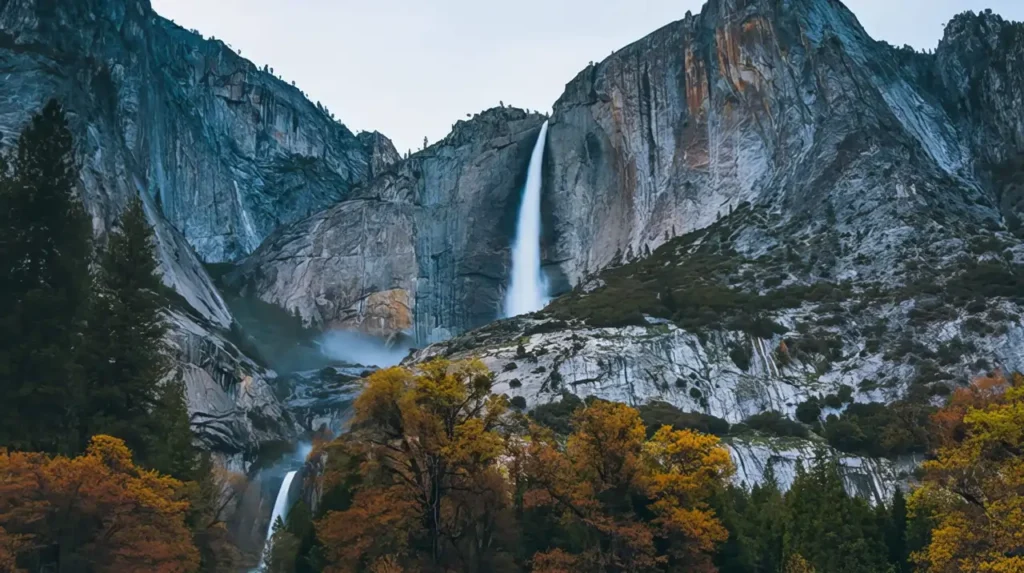
A signature landmark inside Yosemite National Park, this most beautiful waterfall is shaped by melting snow cascading over towering granite cliffs.
Why It’s Famous
- One of North America’s tallest waterfalls
- Signature U.S. national park landmark
Key Features
- Total drop: 2,425 ft
- Upper, Middle, and Lower tiers
Best Time to Visit
- April–June
Travel Tip
Arrive early — peak viewpoints get crowded during summer.
Read Also: Yellowstone National Park: 5 Must-See Geothermal Wonders in Yellowstone National Park
7. Kaieteur Falls, Guyana
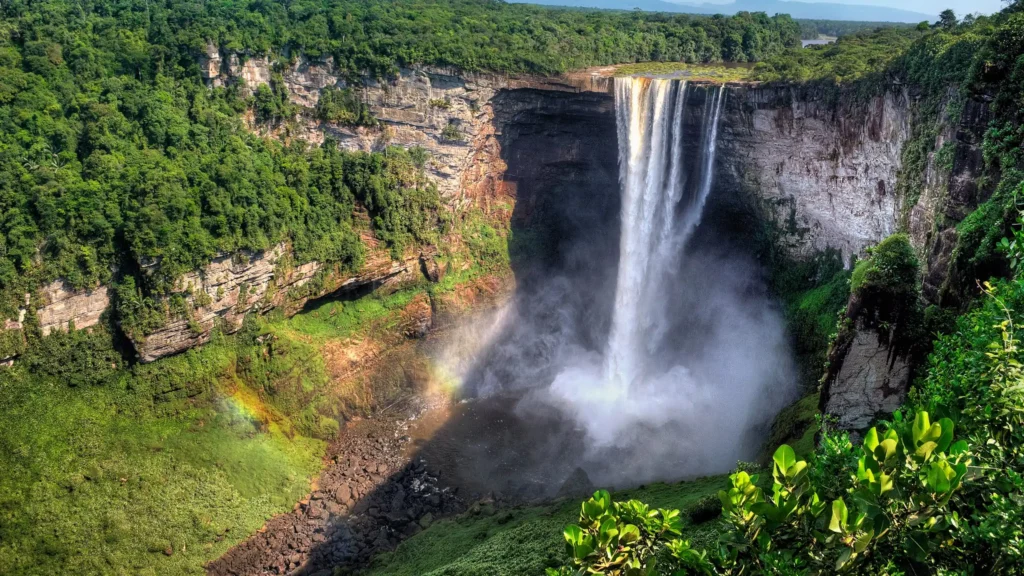
Hidden deep within the Amazon Basin, Kaieteur is a stunning waterfall with massive volume and height.
Why It’s Famous
- One of the world’s most powerful waterfalls
- Located in a remote, untouched rainforest
Key Features
- Height: 741 ft
- Considerably higher than Niagara and Victoria combined
Best Time to Visit
- May–August
Travel Tip
Choose small group tours for optimal viewpoints.
Read Also: Beware of the Bites: 5 Dangerous Snakes in the Amazon River
8. Plitvice Waterfalls, Croatia
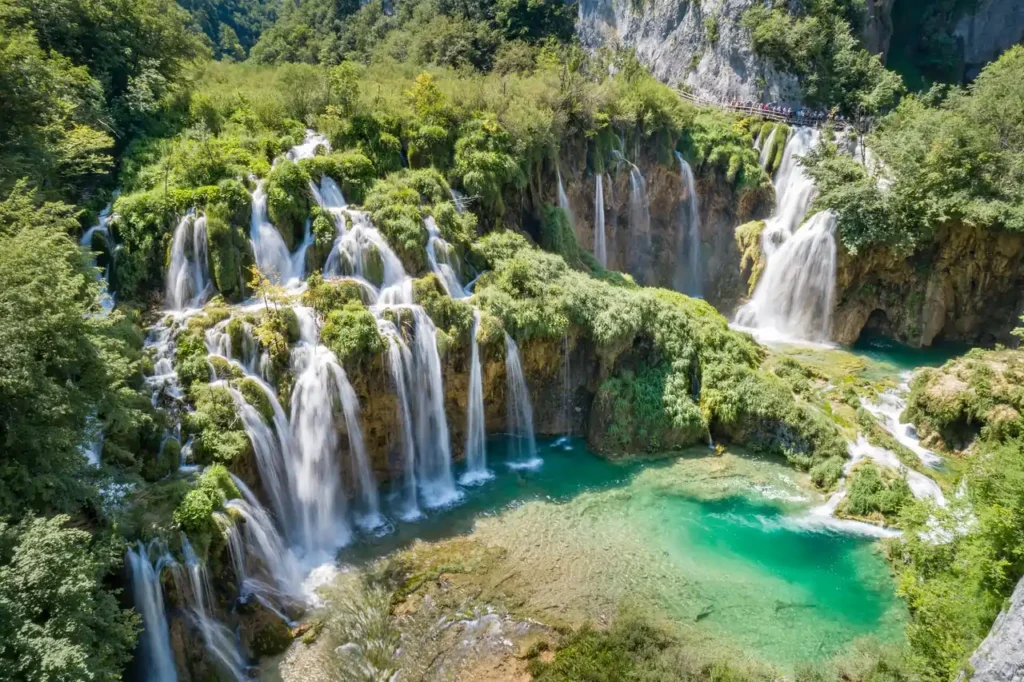
This UNESCO site features dozens of emerald pools connected by small cascading falls, making it a most beautiful waterfall region beloved by nature enthusiasts.
Why It’s Famous
- Turquoise travertine lakes
- Dreamlike boardwalk trails
Key Features
- Over 90 small falls
- Unique limestone (travertine) formations
Best Time to Visit
- Late spring or early autumn
Travel Tip
Go early morning to avoid peak tourist hours.
Read Also: Lifeform Found in Marble and Limestone Rocks: Incredible Discoveries of Rock Microbes
9. Ban Gioc–Detian Falls, Vietnam–China

A peaceful and majestic border waterfall, known for its layered cascades and dramatic karst cliffs.
Why It’s Famous
- Shared between two countries
- Cinematic landscape
Key Features
- Height: 98 ft
- Multiple terraced drops
Best Time to Visit
- September–November
Travel Tip
Boat rides on the Vietnamese side offer close-up views of this breathtaking waterfall.
Read Also: Unveiling the Mystery of Giant Sinkholes: Ancient Forests Hidden in China’s Heavenly Pits
10. Seljalandsfoss, Iceland
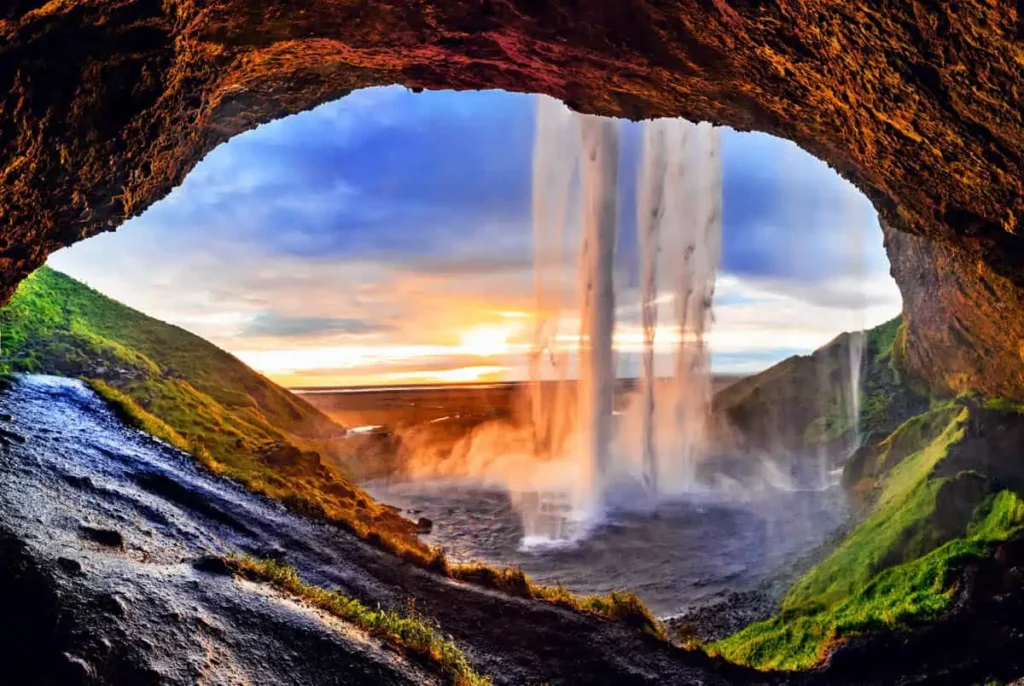
One of the few waterfalls on Earth you can walk behind, Seljalandsfoss is truly one of the most beautiful waterfall sites globally.
Why It’s Famous
- Unique 360-degree viewing
- Endless photo opportunities
Key Features
- Height: 197 ft
- Rainbows at sunset
Best Time to Visit
- June–August
Travel Tip
Wear waterproof gear — the mist is strong.
Read Also: Iceland’s Shocking Loss: The Once-Mighty Okjökull Glacier That Vanished Overnight!
How Waterfalls Form: A Brief Geographic Insight
Understanding how the most beautiful waterfall forms requires us to look closely at Earth’s long geological timeline. Every waterfall — whether it’s a famous waterfall like Niagara or a remote, stunning waterfall hidden deep within a rainforest — is the product of slow, powerful natural processes acting over thousands or even millions of years.
One of the most significant forces is tectonic uplift, which occurs when Earth’s crust shifts upward due to plate movements. This uplift raises sections of land, creating sharp vertical drops where rivers plunge dramatically. Many of the world’s breathtaking waterfall sites owe their height and cliff structure to this process.
Another major contributor is volcanic activity. When ancient lava flows cool and solidify, they often form hard basalt cliffs. Over time, rivers flowing across these formations carve downward, eventually creating the foundation for a most beautiful waterfall environment. Iceland’s falls are iconic examples of this volcanic influence.
Differential erosion adds its own artistry. Soft rock layers erode faster than hard rock, causing sudden breaks in a river’s path. This natural imbalance creates the sharp ledges responsible for many stunning waterfall formations.
Glacial retreat, especially after the last Ice Age, produced some of the world’s tallest and most dramatic drops. Melting glaciers left behind steep U-shaped valleys, perfect for carving a most beautiful waterfall that cascades over towering cliffs.
Finally, river capture can redirect a river’s course entirely, sending water into new channels that plunge over previously untouched terrain. This phenomenon can lead to the sudden birth of a famous waterfall in regions that never had one before.
Together, these geological forces shape every breathtaking waterfall we admire today.
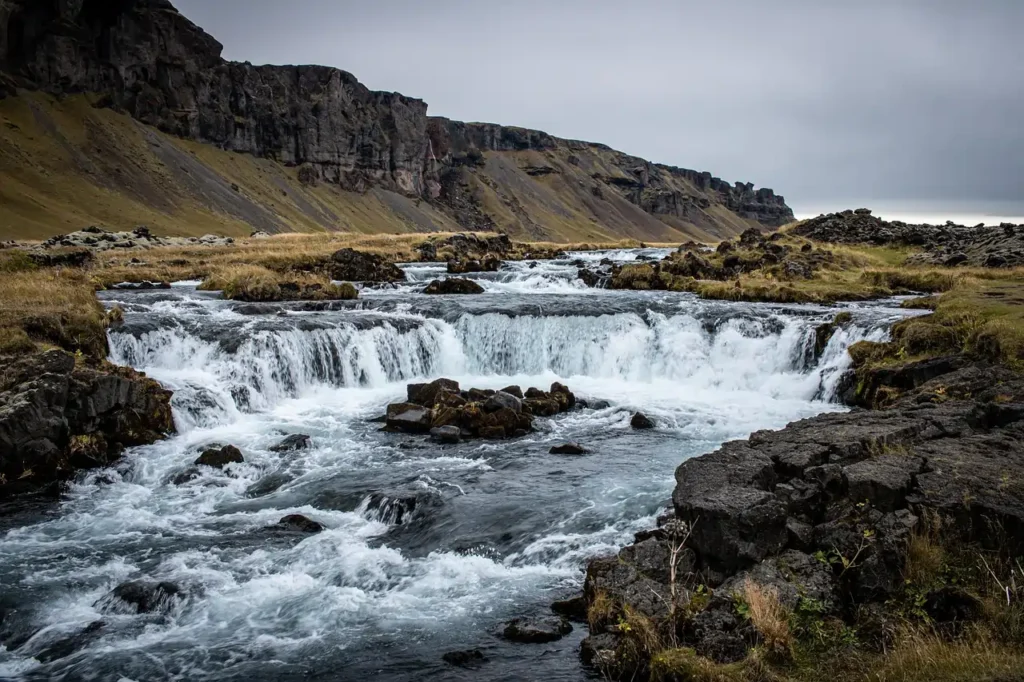
Main Formation Processes in a blink
- Tectonic uplift: Raises land, creating drops
- Volcanic activity: Builds cliffs and ridges
- Differential erosion: Softer rock erodes faster, causing sudden drops
- Glacial retreat: Leaves steep valleys
- River capture: Redirects flow to new channels
All these forces contribute to the creation of the most beautiful waterfall locations we see today.
Read Also: The Banded Rocks of Hosta Beach, Scotland: A Stunning Geological Wonder You Must See
Waterfall Formation Types
| Type | How It Forms | Example |
|---|---|---|
| Plunge | Water drops vertically | Angel Falls |
| Tiered | Multiple levels | Yosemite Falls |
| Cataract | High power and volume | Niagara Falls |
| Cascade | Stepped descent | Plitvice Lakes |
| Curtain | Water spreads wide | Victoria Falls |
Read Also: 10 Best Places to Visit in Europe This Winter
How to Choose Which Waterfall to Visit First
Consider These Factors
When we plan our journey to the most beautiful waterfall destinations, it helps to weigh a few practical factors that shape the overall experience.
- Accessibility (USA vs international): Accessibility is usually the first consideration — some of the world’s easiest waterfall trips are located in the USA, while others require international flights, boat rides, or jungle treks.
- Budget: Budget plays a major role, too, since traveling to a famous waterfall in South America or Africa often costs more than visiting a stunning waterfall within North America.
- Seasonal weather: Seasonal weather is equally important. Many of the world’s most beautiful waterfall locations peak right after rainfall or snowmelt, while others become harder to access during monsoon seasons.
- Photography opportunities: Photography lovers should also think about lighting conditions, mist levels, and the best time of day to capture a truly breathtaking waterfall.
- Hiking difficulty: Finally, hiking difficulty matters. Some falls offer easy paved trails, while others demand steep climbs, rainforest hikes, or guided treks.
Best for U.S. Travelers
For travelers in the United States, two of the easiest places to experience the most beautiful waterfalls are Niagara Falls and Yosemite Falls.
- Niagara Falls (easy): Niagara is a famous waterfall with year-round access, boat rides, and city comforts.
- Yosemite Falls (nature + hiking): Yosemite Falls offers a blend of nature, dramatic cliffs, accessible viewpoints, and rewarding trails for those who want a stunning waterfall with minimal travel complications.
Best for Adventure Enthusiasts
- Angel Falls
- Kaieteur Falls
If we’re craving something more remote, Angel Falls and Kaieteur Falls deliver that pure, breathtaking waterfall adrenaline. These two represent the most beautiful waterfall experiences for thrill-seekers — wild, powerful, and deeply unforgettable.
Read Also: Top 5 Fastest Trains in Europe in 2025: Speed, Innovation & Luxury on Rails
Key Takeaway
Every waterfall tells a story — of geology, climate, time, and energy. Whether it’s a famous waterfall in North America or a hidden gem deep in the rainforest, the world’s cascades offer endless inspiration.
Conclusion
As we travel through continents, we’re reminded that nature doesn’t compete — it simply expresses itself through beauty. Each most beautiful waterfall on this list carries its own character: some thunder with power, others shimmer quietly in turquoise pools. Together, they show us how water has shaped landscapes for millions of years, carving valleys, sculpting cliffs, and creating sights that stay with us forever.
If you’re planning your next adventure, let these waterfalls guide your journey — each destination offering a blend of history, science, culture, and awe.
FAQs
1. What makes a waterfall one of the most beautiful in the world?
A waterfall is considered beautiful when it combines height, volume, landscape, geological history, cultural significance, and the emotional impact it creates for visitors.
2. Which continent has the highest number of stunning waterfalls?
South America and Africa lead with iconic waterfalls shaped by ancient tectonic and volcanic activity, offering both high volume and dramatic landscapes for travelers.
3. What’s the best season to visit waterfalls globally?
Most waterfalls are best viewed after the rainy or snowmelt seasons when water flow is strong and visibility conditions are ideal for photography and exploration.
4. Are these waterfalls safe for families with children?
Most major waterfall sites feature secure pathways, guided tours, and well-maintained viewing platforms, making them suitable for families when basic safety guidelines are followed.
5. Do all waterfalls maintain the same flow throughout the year?
Water flow varies with climate, rainfall, snowmelt, and seasonal patterns, meaning some waterfalls appear stronger in certain months while others reduce significantly.