


“The future is green energy, sustainability, renewable energy.” – Arnold Schwarzenegger
Clean energy has never mattered more than it does today. As the U.S. faces rising electricity demand, extreme weather, and a volatile global energy market, we’re forced to evaluate whether our traditional systems can carry us into the next century. And let’s be honest — the indicators aren’t comforting.
According to the U.S. Energy Information Administration (EIA), national electricity consumption is projected to rise 13% by 2050, while fossil-fuel-based emissions remain one of the biggest contributors to climate challenges.
So we find ourselves asking:
Are we prepared for a world running out of easy answers?
Can the next generation of unique energy generation techniques secure a clean energy future for America?
The good news is that science is moving faster than ever. Across Europe, Asia, and North America, researchers are designing cutting-edge systems that push the limits of physics, biology, and engineering — from electricity-producing moss to lunar tidal harvesting. These innovations may still be emerging, but they offer powerful glimpses of what tomorrow’s renewable energy ecosystem might look like.
Below, we explore 10 unique energy generation techniques that offer genuinely new pathways when traditional options are no longer enough.
Read Also: When Fossil Fuel Will Run Out? Can Fossil Fuels be Renewed?
INTRODUCTION
Climate stress. Population growth. Aging infrastructure.
These three forces are reshaping how we think about power. Fossil fuels remain abundant, but their long-term ecological cost is undeniable. Solar and wind — though essential pillars of modern clean energy — still struggle with unpredictability, geographic limitations, and storage challenges.
That’s why unique energy generation techniques have become a serious field of exploration, not a fringe concept. The next decade will determine how quickly the U.S. can scale innovations that are:
- Cleaner
- More stable
- More efficient
- More adaptive to modern life
In this article, we reveal ten emerging concepts redefining what renewable energy can be. Some are already in pilot stages; others exist primarily in advanced research labs. But all of them reflect our shared desire for an energy landscape that is secure, sustainable, and forward-thinking.
Read Also: 5 Amazing Water Supply Techniques in Dry Regions of the World
10 Unique Energy Generation Techniques the World Is Beginning to Embrace
1. Photovoltaic Mosses (Italy’s Bio-Solar Hybrid)
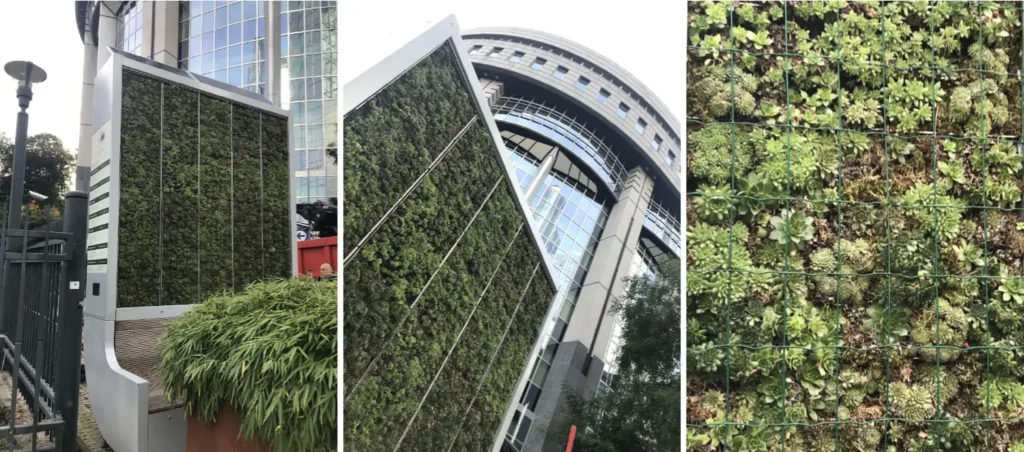
This is one of the most fascinating, unique energy generation techniques merging plant biology with micro-solar engineering. Researchers in Italy discovered that moss colonies produce small electrical currents during photosynthesis.
By embedding ultra-thin bio-electrodes beneath living moss beds, we can harvest that energy sustainably.
Why It Matters
- Works in low light
- Doesn’t require traditional silicon panels
- Ideal for urban and shaded environments
- Extremely small ecological footprint
This could reshape how American cities approach clean energy: parks, rooftops, and shaded walkways could all double as decentralized micro-power stations.
Read Also: Role of solar energy in sustainable development
2. Lunar Energy (Sweden’s Moon-Driven Tidal Power)
This system harnesses the gravitational pull of the Moon to generate electricity. Sweden has been testing compact tidal conversion units that use predictable lunar cycles to produce stable baseload power — something U.S. coastal states may find highly appealing.
Key Benefits
- 100% predictable energy cycles
- Minimal day-to-day variability
- Perfect for grid stability
- Non-weather-dependent
For places like Maine, Alaska, or Washington, this is one of the unique energy generation techniques that could strengthen regional independence.
Read Also: Don’t Miss the Total Lunar Eclipse 2025: Nature’s Epic Light Show
3. Upside-Down Wind Turbines (Norway’s Inversion-Based Airflow Harvesting)
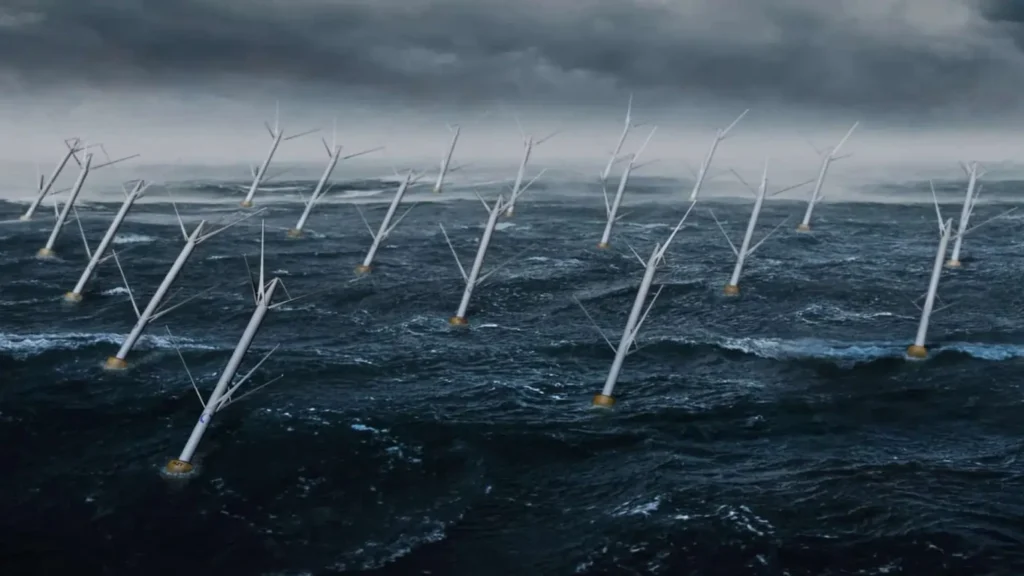
Norwegian engineers discovered that certain landscapes generate downward wind currents, especially near fjords or cliffs. Upside-down turbines capture these streams more quietly and more safely, reducing the bird mortality associated with traditional wind farms.
Advantages
- Quieter operation
- Better stability in turbulent regions
- Lower risk to wildlife
- Can be installed in areas unsuitable for upright turbines
A system like this could revolutionize small-scale renewable energy production in tight or terrain-complex regions of the United States.
Read Also: Wind Energy: 3 Reasons to Ditch Fossil Fuels to Fight Climate Change
4. Microbial Fuel Cells (Electricity from Bacteria)
One of the most unusual, unique energy generation techniques relies on microbes that release electrons through metabolic activity. Special electrodes capture these electrons as power.
When microbes break down wastewater or biodegradable material, they release electrons that can be captured by specialized electrodes, creating a steady electrical current. This process transforms what is normally a waste-management burden into a renewable energy resource, offering a compelling pathway to expand America’s clean energy systems.
Because microbial fuel cells operate without combustion, they eliminate harmful emissions and can be deployed across wastewater plants, agricultural facilities, and even remote communities. The technology also integrates easily into existing treatment infrastructure, allowing U.S. municipalities to shift from heavy energy consumption toward localized, low-maintenance power production.
Key Points
- Electron capture efficiency: 30–60%
- Ideal wastewater COD range: 1,000–10,000 mg/L
- Power output: 1–2 W per square meter of electrode surface
- Operational temperature range: 20–35°C
- Estimated lifespan of electrode systems: 5–10 years
Why This Is Exciting
- Converts organic waste into electricity
- Zero combustion
- Perfect for wastewater facilities
- Functional at any scale
American water treatment plants could become energy producers instead of energy takers.
Read Also: Top 5 Most Polluted Rivers in the World & What’s Killing Them
5. Osmotic Power (Energy from Saltwater)
When freshwater meets saltwater, ions move naturally across membranes. That ion movement can be harvested and converted into power — a method known as salinity gradient energy.

As one of the most promising unique energy generation techniques, this method leverages natural coastal resources to produce clean energy without combustion or atmospheric impact. Because the process operates continuously, coastal regions gain a stable, weather-independent supply of renewable energy, making it an attractive option for long-term grid planning in the United States.
What sets osmotic power apart from other unique energy generation techniques is its near-zero environmental footprint and the ability to integrate directly into existing water infrastructure. As cities along the U.S. West and East Coasts face rising electricity demand, osmotic systems offer a practical pathway toward expanding clean energy portfolios while enhancing regional renewable energy security.
The Opportunity
- Low emissions and minimal ecological disruption
- Abundant along U.S. coastlines
- Consistent 24/7 operation
- Zero emissions
- Highly scalable
As one of the world’s growing unique energy generation techniques, osmotic power could support coastal cities struggling with energy demand.
Read Also: Freshwater vs. Saltwater: Do You Know 3 Most Important Distinctions?
6. Artificial Photosynthesis Systems
Scientists are designing devices that mimic how plants convert sunlight into usable chemical energy. Instead of producing sugars, these systems produce clean hydrogen.
What Makes It Work
- Uses sunlight + catalysts
- Produces green hydrogen
- No carbon emissions
- Fast reaction times
Artificial photosynthesis is gaining traction in the U.S. Department of Energy’s research programs as a transformative clean energy solution.
Read Also: Green Hydrogen: The Fight for Global Energy Dominance
7. Supercritical Geothermal Drilling (Next-Level Heat Extraction)
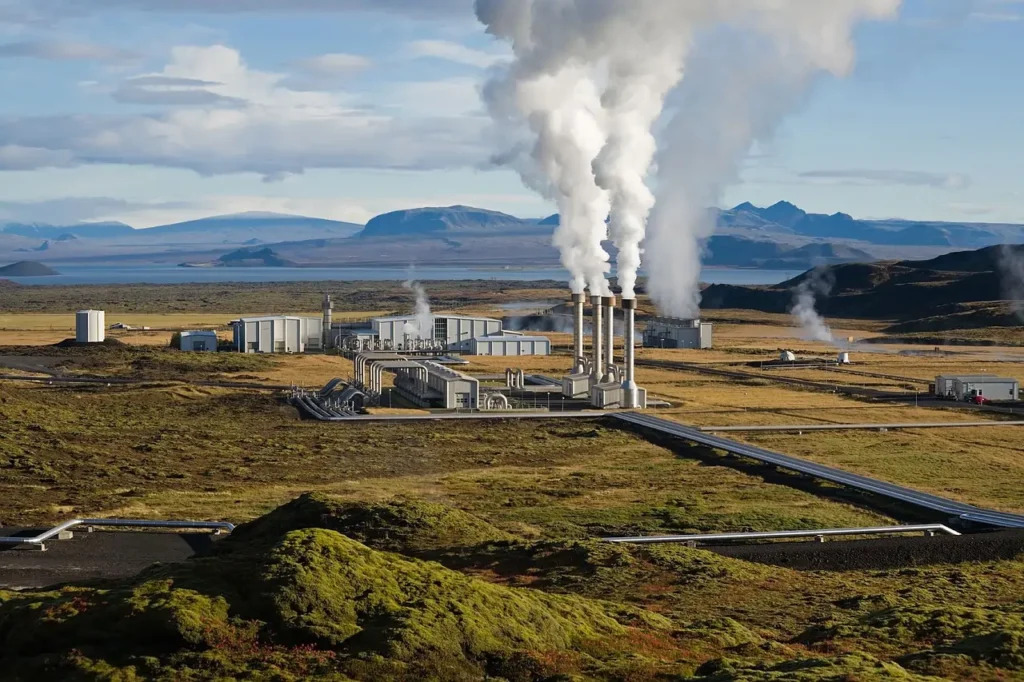
Traditional geothermal taps moderate underground heat. But supercritical geothermal taps extreme heat reservoirs located miles below conventional wells.
Why It’s Powerful
- Generates 3–10× more energy per well
- Zero fuel needed
- Fits in existing drilling industries
- Highly reliable baseload power
This is one of the unique energy generation techniques with strong potential in western U.S. states like Nevada and Utah.
Read Also: Unlocking the Truth: Is Geothermal Energy the Ultimate Renewable Resource?
8. Piezoelectric Roadways (Energy from Motion)
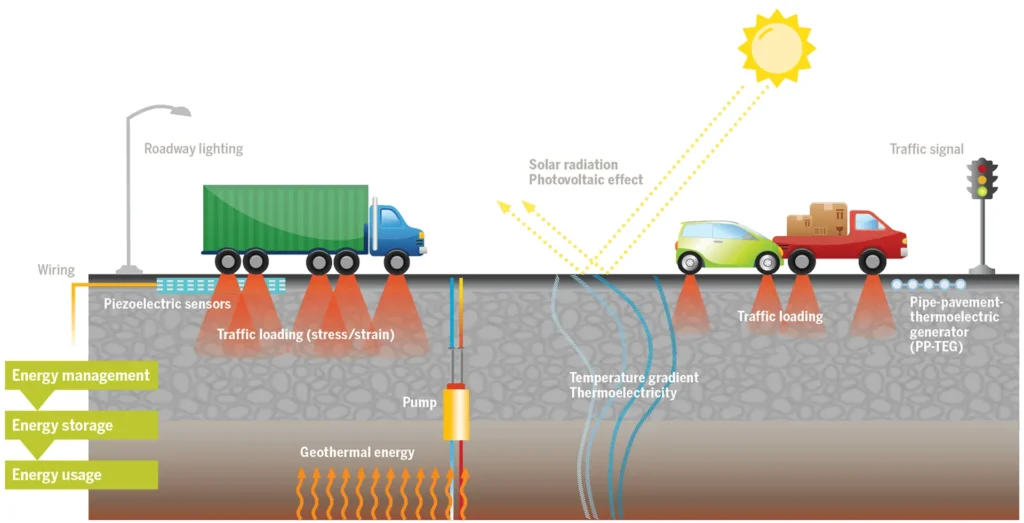
Every car that moves across a road generates pressure. Piezoelectric materials convert that pressure into electricity.
Why It Works
- Ideal for highways, airports, and smart cities
- Constant energy generation from traffic
- Easy to integrate with road repairs
- Helps power streetlights and sensors
America’s busiest roads could generate hundreds of megawatts with mass adoption.
Read Also: Top 5 Most Popular and Longest Roads in the US That Will Blow Your Mind
9. Space-Based Solar Arrays
These satellites collect solar energy above Earth’s atmosphere — where sunlight is stronger — and beam it down as safe microwave energy.
Benefits
- Uninterrupted 24/7 solar collection
- Not affected by the weather
- Higher efficiency than Earth-based solar
- Potential to power entire regions
NASA and several national labs have already conducted feasibility studies.
Read Also: 7 Mind-Blowing Facts About Solar Atmospheres You Didn’t Know
10. Hydrogen from Algae Photobioreactors
Certain algae release hydrogen under specific growth conditions. These systems cultivate algae in closed-loop photobioreactors that continuously produce renewable hydrogen.
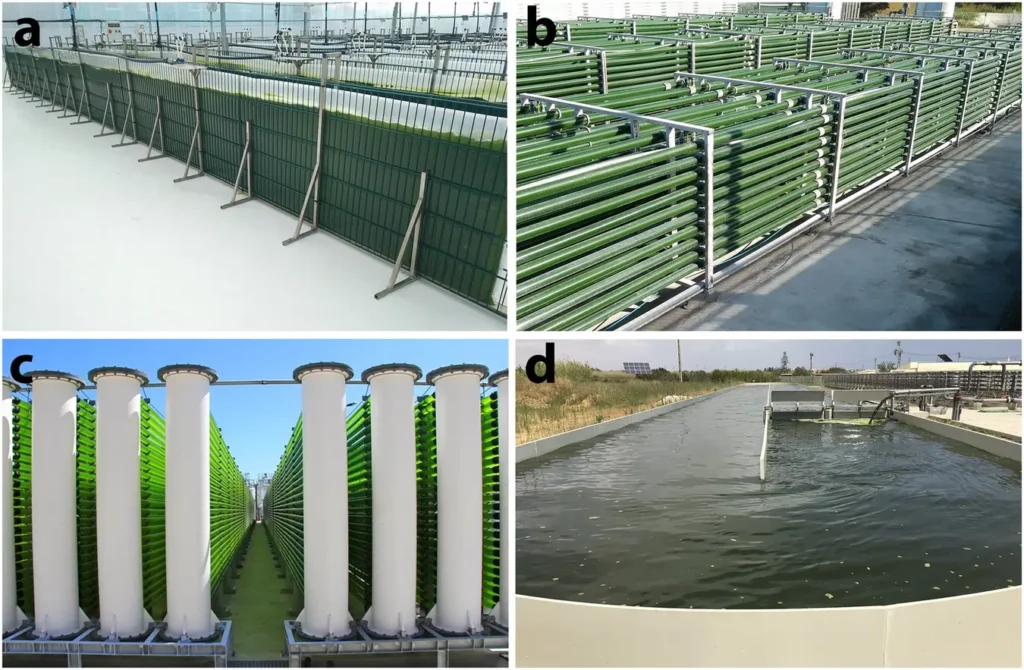
Advantages
- Carbon-neutral production
- Scalable in rural or coastal regions
- Useful for transportation and industry
- Highly efficient biological conversion
This is one of the unique energy generation techniques where biology meets engineering, creating fresh opportunities for U.S. innovation.
Read Also: Reduce Your Carbon Footprint Now! 10 Shockingly Simple Ways to Save the Planet
Efficiency & Scalability of Emerging Energy Concepts
| Technique | Power Stability | Scalability | Emissions | Ideal U.S. Region |
|---|---|---|---|---|
| Photovoltaic Mosses | Medium | Medium | Zero | Urban areas |
| Lunar Energy | High | Medium | Zero | Coastal North & Northwest |
| Upside-Down Turbines | Medium | High | Very Low | Mountain & cliff regions |
| Microbial Fuel Cells | Low–Medium | High | Zero | Nationwide wastewater plants |
| Osmotic Power | High | Medium | Zero | East & West Coast |
| Artificial Photosynthesis | Medium | High | Zero | Sunbelt states |
| Supercritical Geothermal | Very High | Medium | Zero | Western U.S. |
| Piezoelectric Roads | Medium | High | Zero | Major interstates |
| Space-Based Solar | Very High | Medium | Zero | National grid |
| Algae Photobioreactors | High | High | Very Low | Coastal & rural regions |
THE SCIENCE BEHIND THESE EMERGING TECHNOLOGIES
To understand why unique energy generation techniques are gaining momentum, we need to consider the historical shift from combustion-based systems to nature-inspired, physics-driven, and biologically engineered approaches.
Historic Roots
- Early industrial energy: mechanical water wheels and early steam engines
- 20th century: oil, gas, and centralized electrical grids
- Early 2000s: rise of solar, wind, and large-scale hydro
Modern Scientific Drivers
- Advancements in nanomaterials
- High-efficiency catalysts
- Microbiological energy harvesting
- Moon-gravity modeling
- Deep geothermal drilling technologies
These scientific tools let us revisit ideas once considered impossible.
Read Also: 5 Geothermal Wonders Around the World You Need to See
WHY THE U.S. MUST PAY ATTENTION NOW
As global demand increases, the competition for clean energy leadership is intensifying. The United States risks falling behind Europe and Asia if it fails to invest aggressively in new technologies.

Key Reasons
- Energy independence
- Economic opportunity
- Grid modernization
- Climate strategy alignment
We must treat unique energy generation techniques not merely as curiosities, but as serious contenders for national infrastructure.
KEY TAKEAWAY
The world’s most unique energy generation techniques have the potential to transform how we produce power by tapping into natural, biological, and cosmic forces. As we face mounting environmental and energy challenges, these innovations offer practical and scalable pathways toward a cleaner, more stable American energy future.
CONCLUSION
If our planet is running out of easy solutions, then we must create new ones. These unique energy generation techniques show that inspiration can come from the Moon, bacteria, algae, and even the roads we drive on every day.
As Americans committed to a sustainable tomorrow, we must champion the research, policies, and investments that bring these ideas to life. The future of renewable energy is not distant — it’s unfolding right now. And together, we can shape it into something extraordinary.
FAQs
1. What makes these unique energy generation techniques different from traditional renewable energy systems?
They explore uncommon physical, biological, and environmental processes, offering new pathways for expanding U.S. clean-energy capacity beyond conventional solar and wind.
2. Can America realistically adopt lunar energy or photovoltaic moss systems?
Yes, both technologies show strong potential; they require research investment, coastal infrastructure development, and supportive policy frameworks for national implementation.
3. Are microbial fuel cells and algae photobioreactors cost-effective for large-scale use?
Costs are decreasing rapidly as biotechnology advances, making these systems increasingly viable for municipal utilities and clean-hydrogen production industries.
4. How soon can supercritical geothermal or space-based solar become mainstream?
These techniques could scale within 10–20 years, depending on federal funding, commercial partnerships, and technological breakthroughs in drilling or satellite energy transfer systems.
5. Why should the U.S. prioritize unique energy generation techniques?
They strengthen national security, expand the diversity of clean energy, reduce emissions, and help meet rising electricity demand without overburdening existing grids.