

Introduction
What if the air we breathe each morning quietly works against our health?
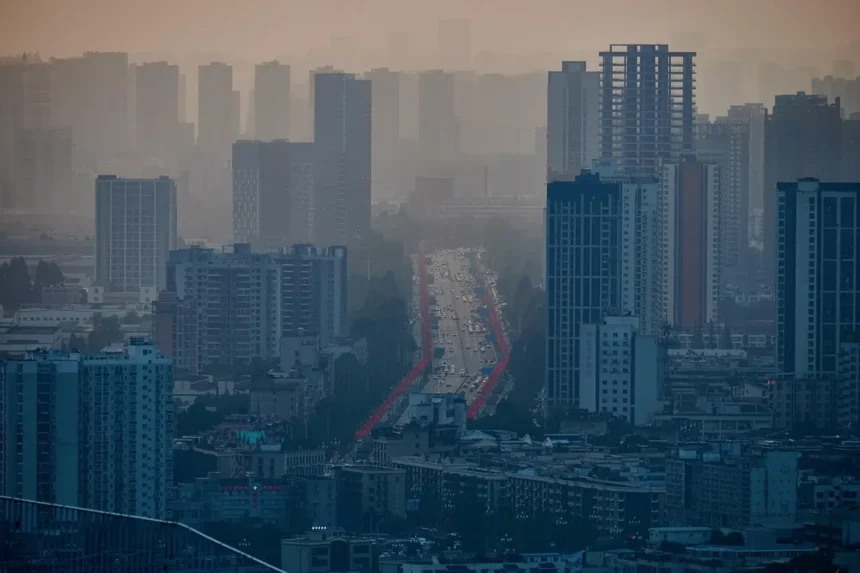
Across the United States, millions of people inhale particles and gases invisible to the eye but potent enough to scar lungs, strain hearts, and shorten lives. The most polluted cities in the US in 2025 reveal how far we still are from clean air.
According to the American Lung Association’s “State of the Air 2025” report, over 40 percent of Americans—about 137 million people—live in areas with unhealthy air. From the sun-baked valleys of California to the mountain basins of Utah, pollution remains an everyday reality.
In this article, we’ll explore:
- The science behind air pollution rankings
- The 10 most polluted cities in the US for ozone smog and particle pollution
- Why these patterns persist
- What it means for health, climate, and policy
Let’s break down the data that shapes our nation’s air story.
Read Also: Air Pollution | How to Measure it and its 7 Severe Effects
How the Rankings Are Determined
The State of the Air report measures three core pollutants:
- Ozone pollution (“smog”) – formed when sunlight reacts with vehicle and industrial emissions.
- Short-term particle pollution (PM2.5) – daily spikes from wildfires, combustion, or dust storms.
- Year-round particle pollution – the average level of fine particulates floating in the air all year.
Cities are ranked for each pollutant across entire metropolitan areas. It’s a holistic measure: counties in the same metro are grouped, showing where Americans face the worst air.
Read Also: Ozone Layer: Discover the Vital Atmospheric Layer Protecting Our Planet
Table 1 – Top 10 Most Polluted US Cities by Ozone in 2025
| Rank | Metro Area | State | Primary Source | Ozone Grade |
| 1 | Los Angeles–Long Beach | California | Vehicle traffic, industry, sunlight | F |
| 2 | Visalia | California | Agriculture, heat, geography | F |
| 3 | Bakersfield | California | Oil production, dust, transport | F |
| 4 | Fresno–Madera–Hanford | California | Agriculture, diesel, heat | F |
| 5 | Phoenix–Mesa | Arizona | Vehicle emissions, heat | F |
| 6 | Denver–Aurora | Colorado | Wildfire smoke, altitude | F |
| 7 | Sacramento–Roseville | California | Heat, vehicle, wildfire smoke | F |
| 8 | San Diego–Chula Vista–Carlsbad | California | Traffic, shipping | F |
| 9 | Houston–The Woodlands | Texas | Petrochemical industry | F |
| 10 | Salt Lake City | Utah | Winter inversion, vehicles | F |
Read Also: 10 Most Polluted Countries in the World in 2025
Understanding Ozone Pollution
Ozone pollution remains one of the most persistent air-quality challenges in the most polluted cities in the US. Unlike the protective ozone layer high in the stratosphere, ground-level ozone is a dangerous pollutant. It forms close to the earth’s surface, especially on hot, sunny days when sunlight triggers a chemical reaction between industrial and vehicular emissions. In 2025, the American Lung Association’s State of the Air report again confirmed that ozone continues to be the single biggest contributor to unhealthy air in major metropolitan areas across the country.
What Causes It
Ground-level ozone is a secondary pollutant, meaning it isn’t emitted directly. Instead, it results from chemical interactions between nitrogen oxides (NOₓ) and volatile organic compounds (VOCs) under sunlight.
These precursor gases primarily originate from:
- Vehicle exhausts – America’s 280 million registered vehicles release vast amounts of NOₓ, especially in high-traffic corridors like Los Angeles and Phoenix.
- Power plants and refineries – Energy generation and oil refining remain major sources of VOCs and nitrogen compounds.
- Industrial emissions – Manufacturing hubs in Houston, Bakersfield, and Visalia contribute significantly to regional smog.
- Wildfires – The 2025 wildfire season added massive quantities of ozone precursors, worsening air across the western states.
Data from the Environmental Protection Agency (EPA) shows that summer ozone levels in western U.S. metros regularly exceed 70 parts per billion—the threshold deemed unsafe for human health. This chronic exposure contributes to millions of respiratory illnesses every year, particularly among children and older adults.
Read Also: Compare Primary and Secondary Pollutants – Which is more harmful?
Why California Dominates the Rankings
California has long been the epicenter of ozone pollution in the nation. In 2025, seven of the ten most polluted cities in the US for ozone were in California: Los Angeles, Long Beach, Visalia, Bakersfield, Fresno, Sacramento, San Diego, and San Jose. The reasons are both natural and man-made:

- Geographical Traps: The Central Valley is surrounded by mountain ranges that act as natural walls, preventing air circulation. Pollutants from vehicles, agriculture, and industry become trapped for days, cooking under sunlight to form smog.
- Climate: Warm, dry weather accelerates the chemical reactions that generate ozone. California’s sunny climate, while pleasant, becomes a perfect catalyst for smog formation.
- Population and Traffic: California has over 30 million registered vehicles—more than any other state. This relentless stream of cars and trucks continuously emits NOₓ and VOCs.
- Wildfire Smoke: Each fire season now blankets large portions of the state in haze, introducing new precursors that react with urban pollution.
Scientific Observation
“California’s geography acts like a lid, trapping heat and pollutants. Combine that with millions of cars—and you get chronic smog.” – Environmental Scientist, ALA Report 2025
This “lid effect” explains why, despite strict regulations, the dirtiest cities in the US in 2025 still cluster in California. Los Angeles has led the ozone-pollution list for over two decades—not because of weak policy, but because of a challenging blend of topography, population density, and climate.
Key Insight
The battle against ozone pollution is far from over. The most polluted cities in 2025 show that while technology and emission standards improve, geography and lifestyle still dictate air quality. Reducing traffic emissions, transitioning to renewable energy, and mitigating wildfire intensity remain essential if America aims to move any of these polluted US cities off the ozone leaderboard.
Read Also: Why Urbanization Contributes to Pollution- 5 Alarming Facts About It
Table 2 – Top 10 Most Polluted US Cities by Particle Pollution (PM2.5) in 2025
| Rank | Metro Area | State | Type | Key Drivers |
| 1 | Bakersfield | California | Annual PM & Short-term | Oil fields, diesel, valley trap |
| 2 | Visalia | California | Annual PM & Short-term | Agriculture, burning |
| 3 | Fresno–Madera–Hanford | California | Annual PM & Short-term | Crop residue, traffic |
| 4 | Los Angeles–Long Beach | California | Annual PM & Short-term | Ports, freight, vehicles |
| 5 | Fairbanks | Alaska | Annual PM & Short-term | Wood-burning, winter inversions |
| 6 | Phoenix–Mesa | Arizona | Short-term PM | Dust, transport, construction |
| 7 | Reno–Carson City | Nevada | Short-term PM | Wildfires, dust |
| 8 | Sacramento–Roseville | California | Short-term PM | Wildfires |
| 9 | Salt Lake City | Utah | Annual PM | Winter inversion |
| 10 | San Jose–San Francisco–Oakland | California | Annual PM | Traffic, port emissions |
Read Also: What is the greatest contributor to air pollution in the United States?
How Particle Pollution Harms Us
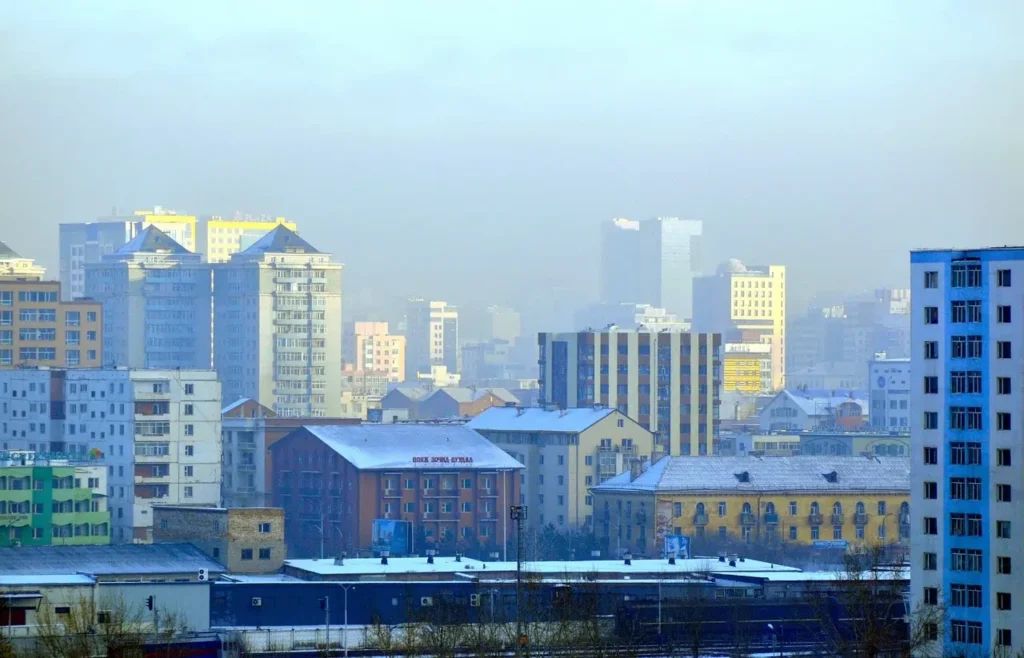
When we talk about the most polluted cities in the US, the real threat often comes from something we can’t see—fine particulate matter (PM2.5). These microscopic particles, less than 2.5 micrometers in diameter, slip deep into the lungs and even enter the bloodstream. Once inside, they begin a silent assault on the body’s vital systems.
Heart and Circulatory Damage
PM2.5 doesn’t just stay in the lungs—it travels. Studies from the American Lung Association and the CDC show that long-term exposure increases the risk of heart disease and stroke by up to 25%. In the dirtiest cities in the US in 2025, such as Bakersfield and Visalia, where annual PM averages exceed 20 micrograms per cubic meter, heart-related hospital admissions spike during high-smog weeks.
Respiratory and Asthma Risks
In polluted US cities, children and older adults bear the brunt. Inhaling these fine particles inflames the airways, worsening asthma attacks and chronic bronchitis. According to ALA’s State of the Air 2025, counties with poor PM grades reported 40% more asthma ER visits compared to cleaner regions.
Premature Death and Systemic Impact
Perhaps the most sobering fact: PM2.5 contributes to over 100,000 premature deaths annually in the United States. In the most polluted cities in 2025, wildfire smoke and industrial emissions create deadly particle surges, transforming ordinary air into a health hazard.
In short, living in or near the most polluted cities in the US isn’t merely unpleasant—it’s a continuous health risk woven into the air we breathe.
Read Also: How Does Pollution Affect Animals? – 5 Tragic Effects
Regional Patterns and Trends
1. The California Concentration
When we analyze the most polluted cities in the US, one truth stands out — California dominates the list in 2025. Nearly all of the dirtiest cities in the US in 2025, including Bakersfield, Visalia, Fresno, and Los Angeles, are located in the Central Valley. This region is topographically unique—a vast bowl bordered by the Sierra Nevada and Coast Ranges. The result is an atmospheric trap where pollutants accumulate and linger.
According to the American Lung Association’s State of the Air 2025 report, six of the top ten most polluted US cities fall within this region. Despite decades of strong air-quality standards, the combination of heavy traffic, industrial emissions, and persistent heat continues to worsen smog levels.
California’s agricultural burning and diesel-heavy transportation network further contribute to particle pollution, making the Central Valley a recurring hotspot of environmental concern and one of the most challenging places to breathe in America.
Read Also: 10 Heartbreaking Stories of Endangered Species in California
2. Western Wildfire Impact
Another defining factor behind the most polluted cities in the US is the surge in wildfire smoke. In recent years, western states like Nevada, Utah, and Arizona have witnessed record-breaking fire seasons. The dirtiest cities in the US in 2025—such as Reno, Sacramento, and Salt Lake City—regularly record unhealthy air days due to drifting smoke from megafires.

Data from the National Interagency Fire Center shows that 2024 saw over 8 million acres burned, releasing billions of micro-particles into the atmosphere. This has transformed wildfire smoke into one of the largest contributors to PM2.5 levels across western North America. Even cities far from the flames, including Denver and Phoenix, report significant short-term particle spikes.
Wildfire emissions are especially dangerous because they contain fine particulates, metals, and carcinogens, making them a growing reason why so many polluted US cities now experience worse air quality even outside traditional industrial zones.
3. Climate & Geography Factors
The most polluted cities in the US are shaped as much by geography as by human behavior. Rising global temperatures intensify ozone formation—warm air speeds up the chemical reactions that create smog. Meanwhile, prolonged droughts and declining vegetation cover worsen dust storms across the Southwest.
According to NOAA’s 2025 Climate Summary, average summer temperatures in western metros have increased by 2.1°F over the past 30 years, directly correlating with more frequent ozone exceedances. Cities like Phoenix and Las Vegas, once seasonal pollution hubs, now struggle with year-round air-quality challenges. Mountain basins, such as Salt Lake City, also trap cold air layers in winter, creating thermal inversions that hold pollutants near the ground.
Combined, these natural and climatic elements ensure that many polluted US cities remain locked in a cycle of recurring poor air quality—an enduring sign of the climate’s growing role in urban health risks.
Read Also: How Does Climate Change Impact Coastal Ecosystems In The U.S.- 5 Shocking Threats
4. Midwest and Southern Spillover (Emerging Trend)
While the spotlight often falls on California, newer data from 2025 indicates that pollution challenges are spreading eastward. Metropolitan areas like Houston, Dallas, and Chicago have begun appearing in mid-tier rankings of the most polluted cities in 2025 due to industrial emissions and transportation networks.
The Gulf Coast’s petrochemical corridor contributes significantly to ozone levels, while stagnant summer air across the Midwest traps pollutants from coal plants and agriculture. The EPA’s Air Quality Trends Report (2025) notes that ozone concentrations in the southern U.S. have risen by 8% since 2020, countering earlier progress. This trend suggests that air-quality issues are no longer confined to the West Coast.
Unless mitigated, increasing industrial growth, population density, and vehicle dependence could see more polluted US cities emerging beyond the traditional California cluster—marking a nationwide challenge that demands unified, cross-state environmental policy.
Scientific Insight: Why Ozone Differs from PM2.5
| Factor | Ozone | PM2.5 |
| Formation | Chemical reaction in sunlight | Direct emission or combustion |
| Seasonality | Peaks in summer | Peaks in winter & fire season |
| Duration | Hours to days | Days to weeks |
| Health Impact | Irritates lungs, triggers asthma | Penetrates the bloodstream, cardiovascular risk |
Understanding this distinction helps explain why some metros rank high in one list but not the other.
Read Also: Top 5 Hottest Places in the US in 2025 You Challenge to Visit
Health Toll of Polluted Air
According to the American Lung Association, chronic exposure to unhealthy air contributes to:
- 7 million global deaths annually (WHO estimate)
- Worsened lung development in children
- Higher incidence of chronic bronchitis
- Cardiovascular and cognitive decline
When we read about the most polluted cities in the US, these numbers aren’t abstract—they represent neighbors, commuters, and families breathing this air daily.
Read Also: Climate Migration: How Climate Change is Forcing U.S. Coastal Communities to Relocate
Policy Actions and Local Initiatives
Federal and State Measures
- EPA Clean Air Act standards remain the baseline.
- California Air Resources Board (CARB) continues to push for zero-emission vehicle mandates.
- Phoenix invests in dust-control technology for construction and transport corridors.

Local Innovation
- Salt Lake City runs “Idle-Free” zones to curb vehicle emissions.
- Fairbanks offers grants to replace wood stoves with cleaner heating systems.
Despite progress, enforcement and regional cooperation lag behind the problem’s scale.
How to Protect Yourself
- Check daily air-quality indexes
- Limit outdoor activity on high-ozone or high-PM days
- Use HEPA filters indoors
- Support clean-energy policies in local elections
These small steps matter when systemic fixes take time.
Read Also: Montreal Protocol: How the World United to Protect the Ozone in 1987
Key Takeaway
The data show a paradox. Even with decades of regulation, the most polluted cities in the US remain mostly the same. Geography, heat, and human activity continually reset the clock on clean air progress.
Conclusion
The story of the most polluted cities in the US in 2025 isn’t about failure—it’s about persistence.
Despite innovations in energy and transport, air quality still mirrors where we live, drive, and grow food. The recurring appearance of California and southwestern metros reminds us that geography and climate amplify human influence.
Clean air remains both a technological challenge and a moral responsibility. Each time we advocate for greener policies, we inch closer to a country where “taking a deep breath” means health, not hazard.
Conclusion
1. Which city has the worst air quality in the US in 2025?
Bakersfield, California, tops the list for particle pollution, while Los Angeles–Long Beach remains the most ozone-polluted metro.
2. Why are California cities so polluted?
Their geography traps emissions; add heat, traffic, and wildfires—pollution builds faster than it disperses.
3. How does ozone pollution differ from smog?
They’re related—ozone is the reactive gas that forms smog when combined with other pollutants under sunlight.
4. Is air quality improving overall?
Gradually, yes. But rising temperatures and wildfire smoke offset much of the progress in western states.
5. What’s the safest way to monitor air quality daily?
Use real-time apps like AirNow or local AQI updates, and plan outdoor activities when levels are in the “Good” range (0–50 AQI).