


Introduction
The Chinook salmon (Oncorhynchus tshawytscha) is the species occasionally referred to as the “king salmon” due to its size and prominence. It was once a primary and defining species of the aquatic environment in the Pacific Northwest. Until recently, it was believed that anthropogenic factors over the last 100 years have contributed to the decline and extirpation of Chinook salmon stocks throughout their range. But in a triumph for conservationists, indigenous communities, and the scientific community, new conservation efforts have led to an astonishing comeback. This article explores the reasons for the Chinook salmon’s decline, the complex work that has brought them back, and what it means more broadly for ecosystem restoration.
Read also: Animals on the Brink: Updated Endangered Species List 2025
Historical Significance of Chinook Salmon
Chinook salmon have formed an important part of the cultural, economic and ecological fabric of the Pacific Northwest. Indigenous tribes have depended on these fish for food, ceremony and trading for centuries. Continuing in a similar ecological vein, the translation of marine-derived nutrients into freshwater ecosystems by the spawning migrations of Chinook salmon plays an important role in nutrient cycling, benefitting many both aquatic and terrestrial species.
Factors Leading to Decline
There are several interlocking reasons for the decline of Chinook salmon populations:
- Dam Construction: Dams built to provide hydroelectric power and irrigation, have blocked migratory paths, preventing salmon from reaching their spawning grounds. The construction of the Englebright Dam in 1941, for example, cut off access to California’s North Yuba River, and Chinook salmon disappeared there.
- Habitat Degradation: Logging, mining, agriculture, and urban development have destroyed critical spawning and rearing habitat. These practices contribute to sedimentation, degrade water quality and change the structure of streams, which makes them unusable by salmon.
- Overfishing: Unsustainable fishing practices have further depleted adult salmon populations and hampered their reproductive potential.
- Climate Change: Increased water temperatures and modified flow regimes are detrimental to salmon survival rates in freshwater and marine life stages.
Read also: Biodiversity Crisis: 5 Shocking Ways We’re Losing Nature’s Riches
A Historical Absence, and Then Reappearance Due to Conservation Efforts
The return of Chinook salmon to waters that were once barren is a victory for broad and cooperative conservation efforts:
- Dam Removal & River Restoration:
- Klamath River: As of 2023–2024, four dams have been removed on the Klamath River — the largest dam-removal project in history to date — restoring salmon habitat over 400 miles. This project, which is the largest of its kind in United States history, allowed Chinook salmon to swim upstream of the prior dam sites for the first time in more than a century.
- North Yuba River: Spring-run Chinook salmon were reintroduced to the North Yuba River as part of a pilot program by the California Department of Fish and Wildlife. 14 2023, 9:00 p.m. Salmon eggs were carefully nestled in a 12-mile stretch of the site in October 2024 to provide more natural spawning. Juvenile salmon were first detected downstream by February 2025, the first presence of Chinook salmon in the river since 1941.
Read also: Extinct No More! Galápagos Rail Returns to Floreana After 200 Years—A Conservation Triumph!
- Habitat Restoration – Butte creek:
Due to restoration work on Butte Creek spring-run Chinook salmon populations have expanded significantly. The success has been largely attributed to the removal of migration obstacles and the improving spawning habitats.
- Program Hatchery and Genetic Management:
Chinook populations have been supplemented and diversified through captive-rearing programs. These programs seek to augment wild populations while preserving their genetic health.
- Indigenous Organizing: Indigenous Leadership and Advocacy
Tribal nations — most notably the Yurok and Karuk Tribes — have been at the forefront of efforts to get dams removed and rivers restored. Their cultural connection to the salmon also has driven these conservation victories.
Related: Unmask the 10 Most Dangerous Tribal Communities in the World
Ecosystem Services and Human Dimensions
The return of Chinook salmon goes beyond environmental rejuvenation:
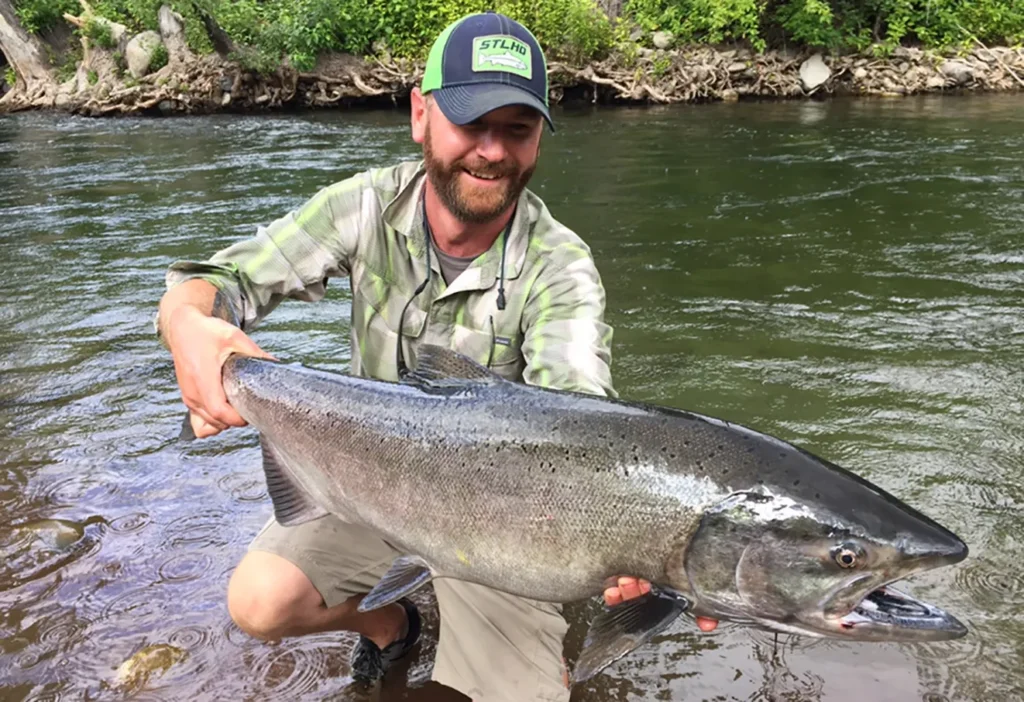
- Improving Biodiversity: Salmon serve as keystone species; their revitalization fosters a ripple effect of ecological benefits, including improved food webs and nutrient cycling.
- Economic Benefits: Restored salmon runs enhance commercial and recreational fishing, benefiting local economies.
- Cultural Reclamation: For many indigenous communities, the presence of Chinook salmon represents a resurgence of cultural practices, traditions, and values associated with the species.
Read also: 10 Heartbreaking Stories of Endangered Species in California
Challenges and Future Directions
These are remarkable successes, but there are a few challenges that remain:
- Climate Resilience: Salmon habitats face the continued threat of climate change through higher temperatures and changing hydrological cycles. Adaptive management strategies are critical for reducing these impacts.
- Ongoing Monitoring: We need long-term monitoring to evaluate the results of restoration actions over time and to adjust based on data.
- Public Engagement: The continuity of conservation initiatives relies on sustaining public interest and support. These environmentally educational programs can promote community engagement and stewardship.
Read also: Endangered Species in Florida – 10 Extremely Vulnerable Lives
Conclusion
Reappearance of Chinook Salmon to rivers where they have not swum for decades is a fantastic news. This comeback is an encouraging blueprint for bringing other threatened species and ecosystems back to life around the globe. While we celebrate these achievements, it is essential not to undermine and motivate controlling the fragile balance of our ecosystems for the generations to come.
FAQs
1. Why did Chinook salmon disappear from certain rivers?
Chinook salmon populations declined due to dam construction, habitat destruction, overfishing, and climate change, which disrupted their migration and spawning cycles.
2. How were Chinook salmon reintroduced to the North Yuba River?
Scientists strategically placed fertilized salmon eggs in restored riverbeds, allowing juveniles to hatch, migrate, and repopulate the river naturally.
3. What role do indigenous communities play in salmon conservation?
Indigenous tribes advocate for dam removals, restore habitats, and uphold traditional conservation practices to ensure the survival of Chinook salmon.
4. Why is the reappearance of Chinook salmon significant?
Their return restores biodiversity, supports ecosystems, boosts fisheries, and revitalizes cultural traditions of indigenous communities reliant on salmon.
5. What challenges remain for Chinook salmon conservation?
Climate change, habitat degradation, pollution, and maintaining genetic diversity pose ongoing threats requiring adaptive conservation strategies and long-term monitoring.