


“The desert tells a different story every time one ventures into it.” — Paulo Coelho
The deserts of our planet have always been places of silence, extremes, and stark beauty. But in recent decades, a louder question has begun echoing across science circles, climate reports, and even everyday conversations: how the world’s deserts are changing.
That question isn’t just academic. It affects food security, weather patterns, biodiversity, global dust cycles, and ultimately the future of human life. Across the United States alone, more than one-third of the landmass already falls under arid or semi-arid zones — and these regions are transforming more quickly than at any time in recorded history.
As we explore these shifts together, we’ll unravel:
- shocking statistics about desertification,
- How growing deserts are disrupting global stability,
- where shrinking deserts are appearing (yes, it’s happening),
- and what these changes reveal about our planet’s health.
So let’s move step-by-step through 7 alarming realities behind how the world’s deserts are changing and what these shifts mean for us.
Read Also: 5 Most Extreme Climates on Earth That Make Survival Impossible
Understanding the Scale of Change
Before we dive into each alarming reality, it helps to look at how dramatically arid regions have expanded or transformed over time.
Below is a simple data snapshot showing how major deserts have changed over recent decades.
Table 1: Recent Shifts in Major Desert Regions
| Desert Region | Continent | Current Trend | Rate of Change | Key Factors |
|---|---|---|---|---|
| Sahara Desert | Africa | Expanding | ~30–60 miles per decade | Hadley Cell expansion, warming |
| Gobi Desert | Asia | Expanding | Rapid (no fixed rate) | Overgrazing, climate warming |
| Atacama Desert | South America | Partially shrinking | Slow | Coastal fog increase, ocean cycles |
| Great Basin & Mojave | USA | Growing hotter/drier | Moderate | Heat extremes, drought cycles |
| Central Australia | Australia | Expanding | Moderate | Rainfall reduction, rising temps |
The 7 Alarming Realities Behind How the World’s Deserts Are Changing
1. Expansion of Major Desert Boundaries
When we look closely at how the world’s deserts are changing, one of the most urgent realities is the accelerating expansion of major desert boundaries. This transformation isn’t subtle; it’s visible from satellite imagery, climate datasets, and on-the-ground human experience.
The core driver behind this expansion is the widening of the Hadley Cell, Earth’s massive atmospheric circulation engine. Since 1980, this circulation band has shifted nearly 2 degrees of latitude, pushing dry zones farther outward and intensifying desertification in already vulnerable regions.
This expansion explains why growing deserts are among the defining climate challenges of the 21st century. In Africa, the Sahara’s southern edge is steadily moving into the Sahel, threatening traditional grazing lands and forcing rural communities to rethink age-old survival patterns. In Asia, the Gobi Desert is encroaching on farmland in China and Mongolia, destroying fields, overwhelming villages with sandstorms, and accelerating local desertification.
Read Also: 7000-Year-Old Mummies in the Sahara Desert that Don’t Have DNA Similarities with Modern Man
Even in the United States, reduced rainfall and persistent drought cycles are allowing the Great Basin to extend its reach, turning once-productive rangelands into barren, water-stressed terrain.
Understanding how the world’s deserts are changing in this context helps us recognize that the issue isn’t only about land loss. It’s about destabilized ecosystems, disrupted food production, and pressure on human migration patterns. Meanwhile, in some areas, shrinking deserts briefly appear due to anomalous rainfall — but these shifts are inconsistent and often temporary.
Points to Note:
- Hadley Cell expansion: ~2° latitude since 1980
- Sahara’s southward shift: Up to 30 miles per decade
- Gobi Desert growth area: Expanding into thousands of square miles of pasture
- U.S. Great Basin: Increased aridity across multiple states
This expansion is a central indicator of how the world’s deserts are changing, and it signals a future in which environmental boundaries no longer stand still.
Read Also: 15 Loneliest Places on Earth: The Most Remote & Isolated Destinations for You
2. Desertification Is Accelerating Worldwide
To understand how the world’s deserts are changing, we must look closely at desertification, a global process that quietly reshapes the Earth’s most vulnerable lands. Desertification isn’t merely a shift toward drier conditions — it’s a long-term decline in soil health, vegetation, and water availability.
As these environmental pressures intensify, they create a chain reaction that fuels growing deserts in some regions while causing shrinking deserts in others through sporadic, destabilizing rainfall events.
According to the United Nations Convention to Combat Desertification (UNCCD), the pace of land degradation today is faster than at any time in recorded human history. Every year, 24 billion tons of fertile soil vanish due to mismanagement and climate pressures. When we ask how the world’s deserts are changing, these numbers reveal the scale of decline unfolding right beneath our feet.
Read Also: Giants of the Sky: Atmospheric Rivers – Rainfall Heroes or Flood Villains?
Points to Note:
- 24 billion tons of topsoil are lost annually
- 5 seconds to lose a football field of fertile soil
- Over 100 countries are affected by desertification
- 1.5 billion people living on degrading land
Core Drivers of Desertification
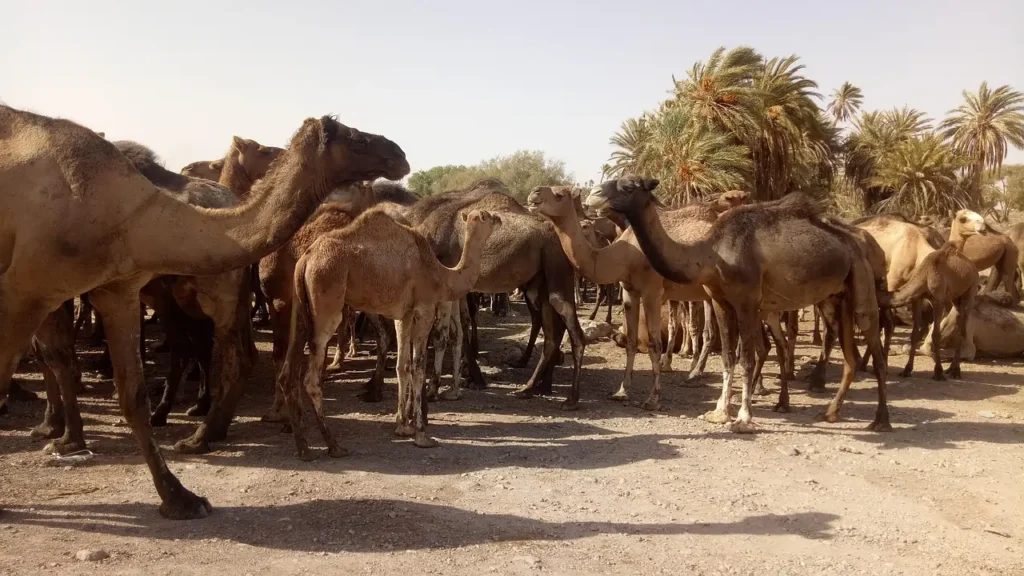
Overgrazing:
When livestock continuously feed on the same land, vegetation cannot recover. Bare soil becomes exposed to wind and water erosion, accelerating desertification and contributing directly to growing deserts across Africa, Central Asia, and the American Southwest.
Deforestation:
Trees anchor soil, regulate moisture, and protect nutrient cycles. Removing forests for agriculture or industry strips landscapes of natural protection, speeding up the transformations behind how the world’s deserts are changing.
Unsustainable farming:
Excessive tilling, chemical overuse, and monocropping weaken soil structure. Once fertility collapses, land shifts toward aridity.
Water mismanagement:
Overdrawing rivers and aquifers disrupts natural hydrological systems. As water tables fall, ecosystems collapse and shrinking deserts temporarily green before drying again.
Read Also: 5 Amazing Water Supply Techniques in Dry Regions of the World
Industrial expansion & climate warming:
Mining, urbanization, and rising temperatures intensify land exhaustion, deepening the global footprint of desertification.
3. Growing Deserts Are Transforming Global Climate Patterns
When we explore how the world’s deserts are changing, one of the most dramatic shifts appears in the way growing deserts alter global climate systems. As arid zones expand, the planet experiences large-scale disruptions in temperature regulation, dust transport, and rainfall behavior. These changes aren’t isolated; they ripple outward, shaping ecosystems, weather patterns, and agricultural productivity across continents.
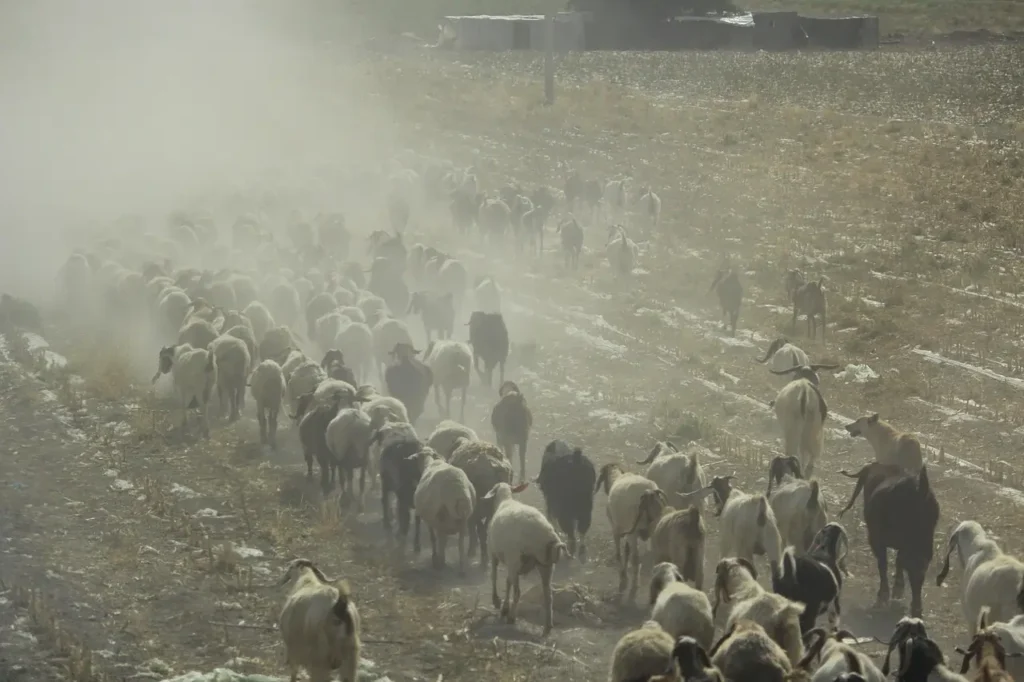
One of the most scientifically significant effects comes from the surge in mineral dust lifted from expanding drylands. As desertification accelerates, the soil becomes loose, dry, and easily carried by strong desert winds. This leads to more intense and frequent dust storms, affecting air quality as far away as Europe, the Caribbean, and even the southeastern United States.
Understanding how the world’s deserts are changing requires examining how desert dust interacts with atmospheric heat, clouds, and ocean circulation.
Reflective desert surfaces also increase planetary heating. Bare sand reflects sunlight during the day and radiates heat rapidly at night, amplifying temperature extremes. As growing deserts spread, this effect scales up, contributing to larger contrasts between hot and cool regions. These contrasts distort jet streams, storm tracks, and monsoon timing — especially across Africa, South Asia, and the American Southwest.
The Sahara shows this change most vividly. Today, it produces over 50% of Earth’s airborne mineral dust, which drifts across the Atlantic and fertilizes the Amazon rainforest. But as the Sahara expands due to desertification, these dust cycles intensify, altering soil nutrients, cloud formation, and rain distribution thousands of miles away. Even areas experiencing shrinking deserts can be affected, as global climate patterns are deeply interconnected.
Growing Desert Impacts
- More frequent cross-continental dust transport
- Higher heat absorption and radiation cycles
- Noticeable decline in monsoon predictability
- Increasing atmospheric temperature imbalance
Read Also: Negative Effects of Climate Change on Indigenous People of the World
4. Shrinking Deserts Exist Too — but They Bring New Challenges
When we explore how the world’s deserts are changing, we usually picture barren land spreading outward, not retreating. Yet in a few regions, we see pockets of shrinking deserts where unexpected greening is taking place. This rare phenomenon occurs due to a mix of shifting wind dynamics, concentrated seasonal rainfall, long-term climate oscillations like ENSO, and human intervention through reforestation or targeted land restoration efforts.
Regions that illustrate this unusual trend include select zones of the Atacama Desert, revitalized strips across the Sahel, and several managed ecological areas in Inner Mongolia.
Read Also: Top 10 Strangest Landforms Around the World
But understanding how the world’s deserts are changing requires a deeper look at why this greening isn’t automatically a positive ecological shift. While shrinking deserts might seem like a reversal of desertification, the reality is far more complicated. Sudden rainfall on long-barren soils often triggers fragile vegetation bursts that cannot survive long-term dryness.
These temporary “green pulses” can cause soil crusts to break, making the land more vulnerable when drying resumes.
Even more concerning, shrinking deserts create opportunities for invasive species to establish themselves in places where native desert plants once held tight ecological control. These invasive species alter nutrient cycles, crowd out desert-adapted flora, and attract herbivores that destabilize existing food webs.
Meanwhile, growing deserts in nearby regions continue expanding, adding to the complexity of how the world’s deserts are changing across global drylands.
Read Also: Beyond the Blue: Exploring the 5 Astonishing Layers of the Atmosphere That Protect Our Planet
Why This Isn’t Entirely Positive
- 30–50% of new vegetation patches in shrinking deserts die off within 12–18 months.
- Up to 40% of greening zones are dominated by invasive or non-native species.
- Soil instability increases by 25% after abnormal rainfall events in formerly barren regions.
- Biodiversity disruption has been documented in at least 12 major desert ecosystems worldwide.
In short, shrinking deserts reveal another side of how the world’s deserts are changing: one where recovery is fragile, temporary, and often ecologically disruptive.
Read Also: Greenhouse Effect | A Challenge for the Future of the Earth
5. Extreme Heat Is Rewriting the Geography of Desert Life
When we look closely at how the world’s deserts are changing, one of the most urgent transformations is the rapid rise in heat across nearly all major arid zones. Even in regions historically known for punishing temperatures, the acceleration of warming has surpassed what many species can tolerate.
In fact, temperatures in several desert systems now rise 1.5–2 times faster than the global average, altering everything from soil chemistry to migration patterns. This trend is deeply connected to desertification, the spread of growing deserts, and the unexpected behavior of shrinking deserts that temporarily green before collapsing again under heat stress.
Heat extremes push desert organisms toward thresholds they have never experienced. How are the world’s deserts changing when their very species—built over millennia to survive scarcity—begin to fail? We’re seeing cascading ecological disruptions.
Small mammals, birds, reptiles, and insects are among the first to collapse because their hydration and thermoregulation limits are tight. Many now face mid-day temperatures exceeding their safe physiological range, resulting in mass die-offs across continents.
Read Also: Desert Food Web: Uncover the Secrets of Life in Extreme Environments
Predators that once thrived in these regions are also destabilized. As prey populations decline, hunting ranges expand, introducing conflict, starvation, and ecosystem imbalance. Even long-lived plants such as the iconic saguaro cactus—a symbol of endurance—are showing signs of irreversible heat damage, especially in the hotter pockets of the Sonoran Desert.
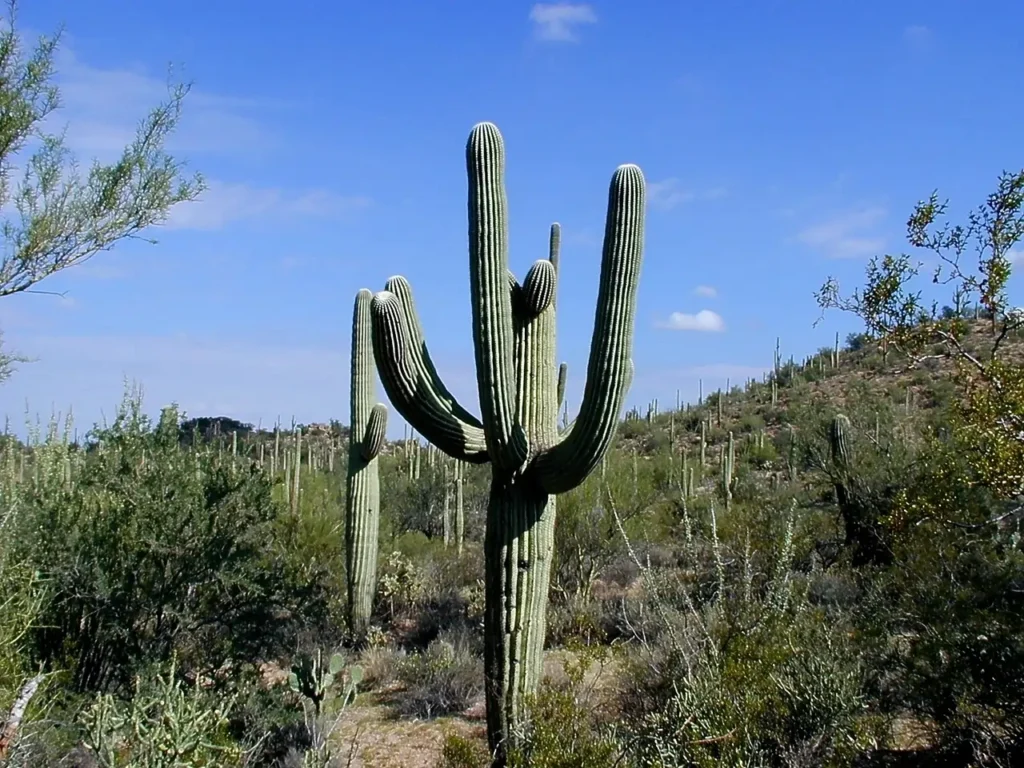
These changes deepen our understanding of how the world’s deserts are changing: heat doesn’t merely make deserts hotter—it reorganizes entire food webs, accelerates desertification, expands growing deserts, and disrupts the fragile transitions associated with shrinking deserts.
Points to Note:
- Desert heat is rising 1.5–2× faster than the global average
- Record-breaking temperatures exceeding 120°F (49°C) in several regions
- Multiple mass die-offs have been recorded since 2018 across mammals and birds
Read Also: Global Warming | The Shocking Future of Our Planet
6. Human Settlements Are Moving Into Desert Zones
One of the most revealing pieces of the puzzle in understanding how the world’s deserts are changing is the rapid movement of human populations into arid regions. Over the past four decades, deserts have become unexpected urban hubs, attracting millions despite the environmental constraints. Cities like Phoenix, Las Vegas, Dubai, and Riyadh have transformed from small settlements into sprawling megacenters, even as desertification continues to intensify in surrounding areas.
This urban surge is one of the main forces behind growing deserts, altering local climates, stressing water systems, and reshaping land use at unprecedented speed.
These expanding cities rely heavily on groundwater extraction, river diversion, and massive desalination plants to sustain their populations. The more we expand these urban footprints, the more we influence regional temperatures and evaporation rates — an essential factor in explaining how the world’s deserts are changing across multiple continents.
Read Also: Why Urbanization Contributes to Pollution- 5 Alarming Facts About It
As concrete replaces soil, natural cooling cycles diminish, creating urban heat islands that stretch far beyond city limits. These changes accelerate desertification, making nearby lands hotter, drier, and ultimately more vulnerable to becoming part of growing deserts.
Infrastructure development — from highways to industrial zones — further pushes human activity deep into areas that once acted as climate buffers. Even regions experiencing shrinking deserts face pressure because altered wind flows, increased dust, and intensified heat patterns can reverse local regenerative gains.
Human Pressures Impacting Desert Growth
- Groundwater depletion
- Land paving, which alters natural heating patterns
- Higher demand for freshwater
- Infrastructure spreading into once-remote areas
Read Also: Top 5 Most Polluted Rivers in the World & What’s Killing Them
Points to Note:
- Desert cities grew 300% faster than non-desert regions since 1980.
- Phoenix uses 3× more water per household than the U.S. average.
- Dubai’s desalination provides over 98% of its drinking water.
- Las Vegas lost 70% of its local groundwater reserves in 50 years.
This human-driven expansion provides crucial insight into how the world’s deserts are changing, revealing a future where the boundary between city and desert becomes increasingly blurred.
Read Also: 10 Most Polluted Countries in the World in 2025
7. The Future: Deserts May Double in Size by 2100
When we look toward the year 2100, the conversation about how the world’s deserts are changing becomes even more urgent. Current climate models, including analyses from NOAA, NASA, and the IPCC, indicate that if global temperatures continue rising at present rates, subtropical desert regions could expand by 20–50%. This dramatic projection reshapes our understanding of desertification, growing deserts, and how shrinking deserts behave within shifting climate systems.
One of the defining insights into how the world’s deserts are changing over the next century involves the expansion of the Hadley Cell — the atmospheric circulation system that governs rainfall and temperature in many of the world’s arid zones. As this cell widens, dry air descends over a larger portion of the planet, extending the reach of arid climates into regions that have historically supported thriving agriculture and stable communities.
Read Also: Temperature Inversion: Understanding the Atmospheric Anomaly
This change affects more than distant desert landscapes. It directly influences food production, global trade, water availability, and human migration patterns across North America, Africa, the Middle East, Australia, and parts of South America. As desertification accelerates and growing deserts push deeper into semi-arid regions, millions of people could face unstable crop yields, intensifying drought cycles, and forced relocation.
At the same time, a few areas may experience temporary shrinking deserts due to localized rainfall anomalies, but these pockets of greening remain fragile and unreliable.
If we truly want to understand how the world’s deserts are changing, we must recognize that these shifts represent a fundamental transformation of Earth’s climate architecture — one that will shape our economic systems, agricultural strategies, and geopolitical realities for generations.
Points to Note:
- Projected desert expansion by 2100: 20–50%
- Up to 1 billion people may be affected by advancing aridity
- Potential agricultural loss in semi-arid zones: 10–30%
- Expected increase in heatwave frequency: 2–5 times higher
Read Also: How Does Pollution Affect Animals? – 5 Tragic Effects
The Surprising Benefits of Changing Deserts
As we explore how the world’s deserts are changing, it’s clear that shifting drylands aren’t only creating challenges — they’re also unlocking unexpected opportunities. While desertification and growing deserts raise understandable concerns, these transforming landscapes are increasingly becoming hubs for innovation, sustainability, and scientific breakthroughs. Even areas with shrinking deserts offer new ecological dynamics worth studying, reminding us that not all desert change is inherently negative.
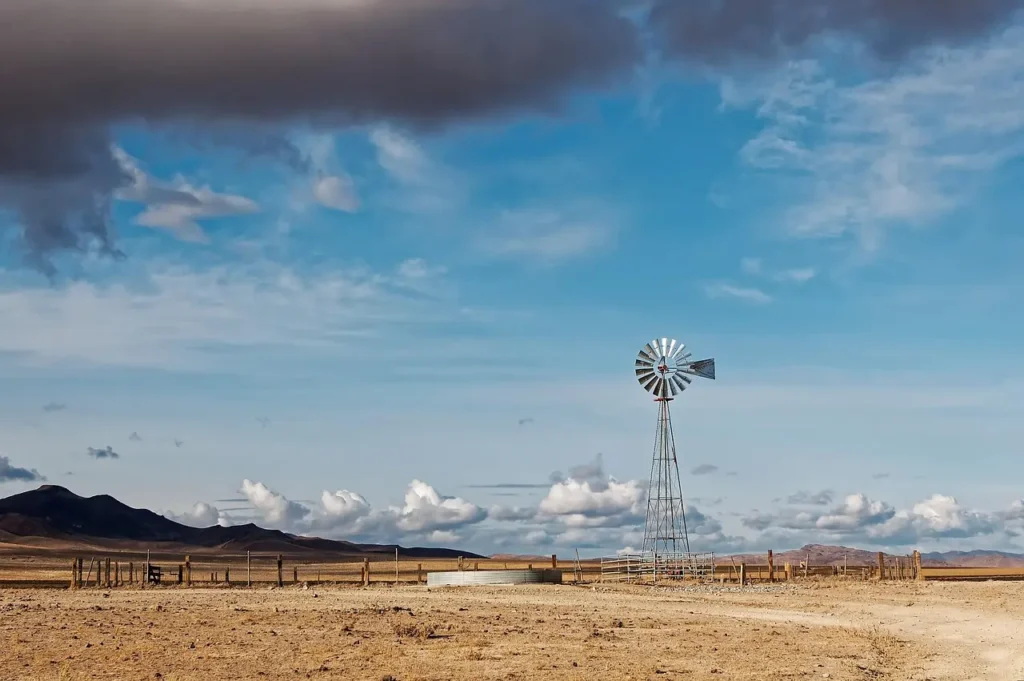
One of the most promising developments lies in solar mega-projects. Deserts receive some of the highest solar irradiation levels on Earth, making them prime locations for massive renewable-energy grids that could someday power entire nations. Similarly, expanding wind corridors in arid regions offer stable wind patterns ideal for large-scale turbines.
Read Also: Wind Energy: 3 Reasons to Ditch Fossil Fuels to Fight Climate Change
As scientists examine how the world’s deserts are changing, they’re also uncovering discoveries in extreme environments, from unique microbial life to geological formations that reveal clues about early Earth — and even Mars.
Finally, the carbon-capture potential of desert plants is gaining attention. Certain hardy species can store carbon efficiently under harsh conditions, offering new pathways for climate mitigation even in areas affected by desertification, growing deserts, and shrinking deserts.
Points to Note:
- Deserts receive 2,500–3,500 hours of sunlight yearly.
- Solar farms in deserts can exceed 40% global energy potential.
- Wind speeds in desert corridors average 20–25 mph.
- Some desert plants sequester carbon 10× more efficiently than temperate species.
Read Also: Role of solar energy in sustainable development
What Can Slow or Reverse the Trend?
When we examine how the world’s deserts are changing, we also uncover clear pathways to slow desertification, stabilize growing deserts, and support regions experiencing shrinking deserts. Several large-scale initiatives show what’s possible when science, community action, and policy align.
Africa’s Great Green Wall stands as one of the world’s most ambitious ecological restoration efforts, aiming to revive degraded land across the Sahel and reduce the speed at which growing deserts threaten farmland.
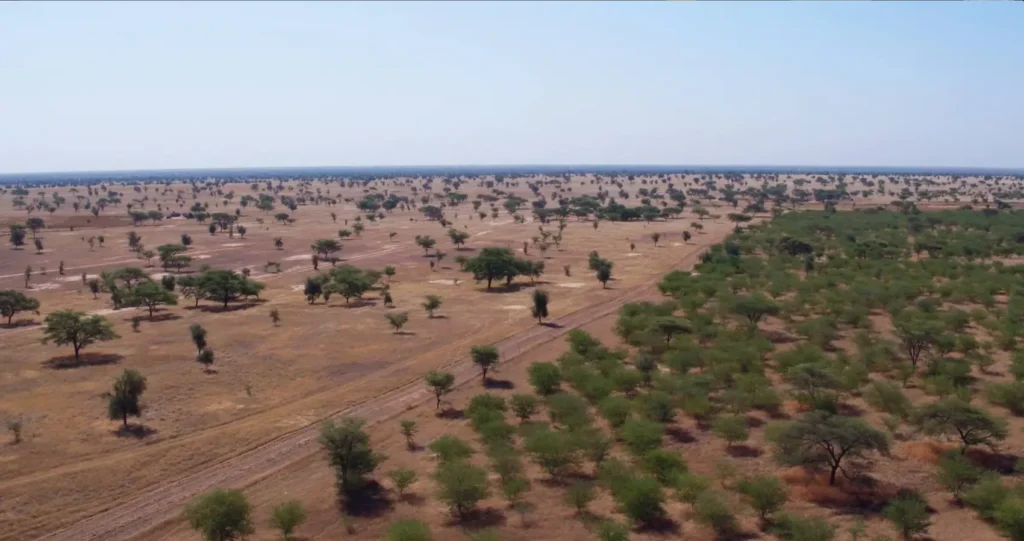
Similarly, China’s “Green Great Wall” — officially the Three-North Shelterbelt Program — has planted billions of trees to curb dust storms, reinforce soils, and slow desertification across Inner Mongolia.
Read Also: Reduce Your Carbon Footprint Now! 10 Shockingly Simple Ways to Save the Planet
Modern solutions also rely on precision agriculture, which uses satellite data, soil sensors, and AI-driven irrigation to preserve moisture and reduce land strain.
Water-saving systems, including drip irrigation and wastewater recycling, help stabilize regions impacted by shrinking deserts.
Meanwhile, restorative land management improves soil structure through controlled grazing, composting, and native vegetation recovery.
Effective policy frameworks, combined with community-led regeneration, create long-term stability by empowering residents to monitor land health and adopt sustainable practices.
Points to Note:
- 20+ countries participate in the Great Green Wall
- China has planted over 66 billion trees
- Precision agriculture can cut water use by up to 50%
- Restored soils increase productivity by 30–70%
Read Also: Green Hydrogen: The Fight for Global Energy Dominance
Key Takeaway
As we unpack how the world’s deserts are changing, one truth becomes clear: deserts aren’t static. They’re dynamic, powerful, and responsive to both climate and human activity. Expansion, contraction, heat waves, biodiversity shifts, dust storms, and land degradation all weave together into a global story of transformation.
Conclusion
When we ask how the world’s deserts are changing, we’re really asking what type of planet we want to live on in the decades ahead. Deserts are expanding in some regions, shrinking in others, and experiencing unprecedented ecological shifts across all continents.
For the United States — from Arizona’s blistering summers to Nevada’s stressed aquifers — the story is personal and increasingly visible. As we move deeper into the 21st century, understanding desert change becomes not only a scientific need but a social and economic priority.
These landscapes teach us about adaptation, climate complexity, and the delicate balance that supports life on Earth. And while we cannot stop all changes, we can choose to engage with the problem, support sustainable land management, and study the ecosystems that reveal so much about our planet’s past and future.
FAQs
1. Why do scientists keep asking how the world’s deserts are changing across different regions?
Because desert expansion, contraction, and climate shifts influence ecosystems, agriculture, global dust cycles, and long-term human survival patterns.
2. How does desertification affect communities and economies worldwide?
It reduces farmland, depletes water sources, drives migration, weakens food systems, and increases pressure on already fragile regions.
3. Can shrinking deserts create environmental problems, too?
Yes — sudden rainfall, unstable soils, invasive species, and unpredictable vegetation cycles can destabilize surrounding ecosystems.
4. What role do humans play in how the world’s deserts are changing globally?
Human land use, water extraction, farming practices, and carbon emissions accelerate both desert growth and ecological degradation.
5. Are growing deserts a threat to future food security?
Yes — expanding deserts reduce arable land, intensify droughts, increase heat extremes, and disrupt agricultural productivity worldwide.