
“Wherever you go, go with all your heart.” — Confucius
As we step into the heart of winter, we witness a tapestry of joyous rituals, radiant lights, and unifying ceremonies. In this article, we explore 10 multinational festivals celebrated in December—festivals that traverse continents, faiths, and cultures, yet all converge on the spirit of warmth, renewal, and communal hope. Today, we embrace the phrase festivals celebrated in December not simply as an event list, but as an invitation to the global heart of December.
Introduction
Have you ever asked yourself why so many December festivals are clustered around light, community, and reflection? According to a 2019 study on holiday sentiment in the U.S., more than 70% of Americans associate winter celebrations with “hope for the future” and “togetherness.” In our globally connected world, festivals celebrated in December have become both deeply local and widely shared. We will travel through continents, faiths, and epochs to discover how global winter festivals help us mark the ending of one cycle and the beginning of the next.
Why December? It sits at the intersection of the dark half of the year and the hope of returning light. Cultures have responded with festivals, rituals, and gatherings. Today, we follow that thread: from candle-lit Jewish homes to African-American kinara ceremonies; from Japanese temple bells to European lanterned processions. Each is part of the tapestry of December celebrations around the world.
Read Also: Top 10 Biggest Festivals in the World You Can’t-Miss: Unforgettable Global Celebrations
Why So Many Celebrations in December
December stands out as one of the most festive months of the year, filled with festivals celebrated in December that transcend geography, religion, and culture. From Christmas in the United States and Europe to Hanukkah in Israel, Kwanzaa in America, and Ōmisoka in Japan, the month becomes a global stage where humanity collectively honors endings, beginnings, and light conquering darkness.
Historically, December festivals have been tied to the winter solstice, the shortest day and longest night of the year. Ancient civilizations viewed this astronomical event as a symbolic rebirth — when the sun “returns,” marking the transition from darkness to hope. Over centuries, this celestial pattern inspired diverse rituals that evolved into modern December celebrations around the world.
Socially, this is the time when people pause, reflect, and gather. Agricultural societies celebrated the completion of harvests, while modern cultures mark it as the end of the fiscal and calendar year. These shared pauses naturally transformed into global winter festivals, emphasizing gratitude, charity, and renewal. In essence, humans instinctively celebrate survival, renewal, and togetherness — universal emotions that echo across borders.
Spiritually, festivals celebrated in December often use light — candles, lanterns, fireworks — as a metaphor for enlightenment and inner warmth. Whether it’s the menorah of Hanukkah, the kinara of Kwanzaa, or the twinkling Christmas tree lights, illumination binds these traditions.
Moreover, globalization and cultural exchange have made the December festivals multinational in nature. Cities from New York to Nairobi now share similar decor, music, and symbols. These December celebrations around the world remind us that while customs vary, the heartbeat is the same — hope, generosity, and unity.
Ultimately, December is more than just the year’s end — it’s a worldwide celebration of humanity’s shared rhythm with nature and one another.
Read Also: Oymyakon – The Coldest Inhabited Place on Earth: Brutal Truths About Life at -60°C
Festival 1: Christmas (Worldwide)
Where It’s Celebrated
Virtually every continent: from the United States to Europe, Africa, Asia, and Latin America. On December 25, the holiday is observed by billions.
Cultural Significance
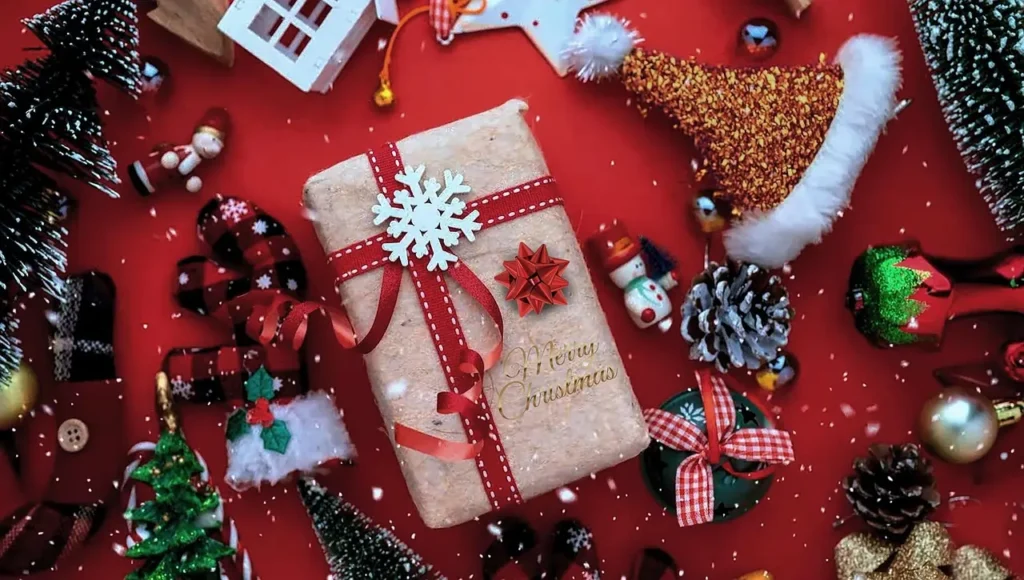
Christmas originated as a Christian feast commemorating the birth of Jesus Christ, fixed on December 25 from at least the 4th century. Over time, it has also become a secular global festival — one of the major global winter festivals.
Traditions & Modern Adaptations
Families decorate evergreen trees, exchange gifts, sing carols, and attend church services. Many traditions (e.g., Yule candles) echo older winter-solstice rituals. In the U.S., Christmas has become as much about community, volunteering, and family-gathering as religious observance.
Interesting Fact
The date of December 25 may have been chosen to correspond with pre-Christian solstice festivals like Saturnalia (Dec 17-23) in ancient Rome.
Read Also: Why Do We Celebrate Halloween? 5 Surprising Facts
Festival 2: Hanukkah (Jewish tradition)
Where It’s Celebrated
Jewish communities around the world, including the USA, Israel, Europe, and Latin America. The holiday often falls in December.
Cultural Significance
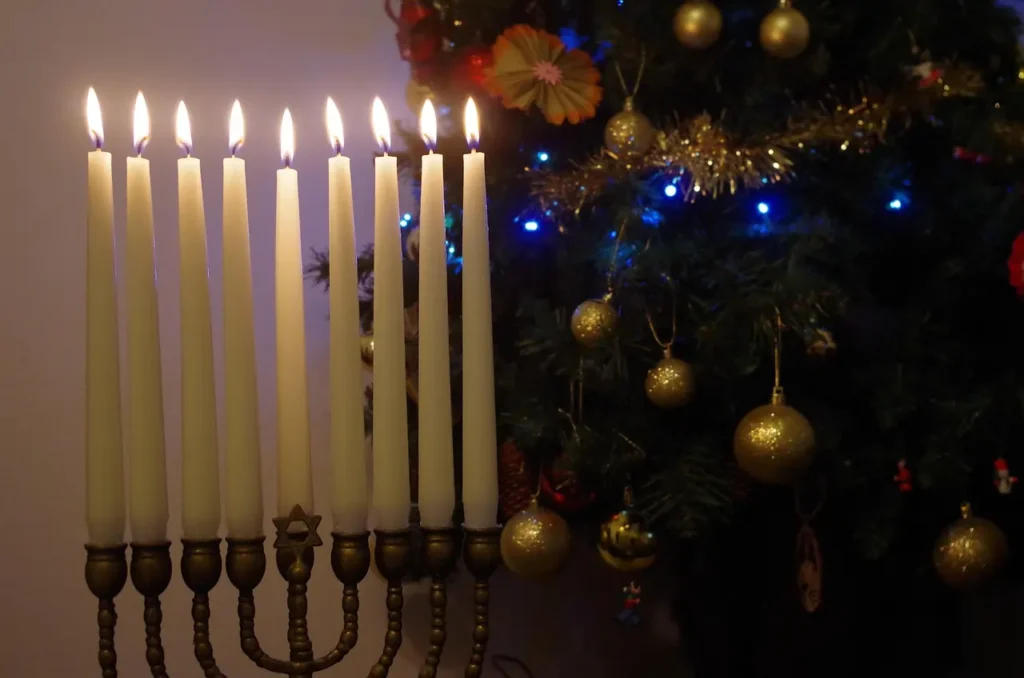
Hanukkah commemorates the rededication of the Second Temple in Jerusalem and the miracle of the oil lasting eight days. It is often called the “Festival of Lights.”
Traditions & Modern Adaptations
Families light the menorah for eight nights, play dreidel, and eat foods fried in oil (latkes, sufganiyot) to recall the oil miracle. In the USA, Hanukkah has grown in visibility during the December holiday season.
Interesting Fact
In 2025, Hanukkah begins on the evening of December 14 and ends on December 22.
Read Also: Discover the Dead Sea: 5 Surprising Health Benefits of This Salty Wonder
Festival 3: Kwanzaa (U.S. and African-diaspora communities)
Where It’s Celebrated
Primarily in the United States, among African-American communities and diaspora, emerging globally.
Cultural Significance
Founded in 1966 by scientist/activist Maulana Karenga to honour African heritage, culture, and community values, drawing on first-fruits harvest traditions of Africa.
Traditions & Modern Adaptations
Held from December 26 to January 1. Families light the kinara (seven candles), reflect on seven principles (Nguzo Saba), share a communal feast (Karamu), and give meaningful gifts.
Interesting Fact
Though not a religious holiday, many families celebrate Kwanzaa alongside Christmas and New Year’s as part of broader December festivals.
Read Also: Hidden Facts About Black History: Unveiling 7 Untold Stories and Forgotten Legacies
Festival 4: Ōmisoka (Japan)
Where It’s Celebrated
Japan (national celebration on December 31).
Cultural Significance
Ōmisoka is the Japanese traditional “last day of the year” festival — marking the closure of the old year and welcoming the new. It blends Shinto/Buddhist and popular cultural practices.
Traditions & Modern Adaptations
Families clean homes (susuharai), eat toshikoshi soba (long buckwheat noodles symbolizing longevity), and temples ring bells 108 times (joya no kane) to remove human desires and impurities.
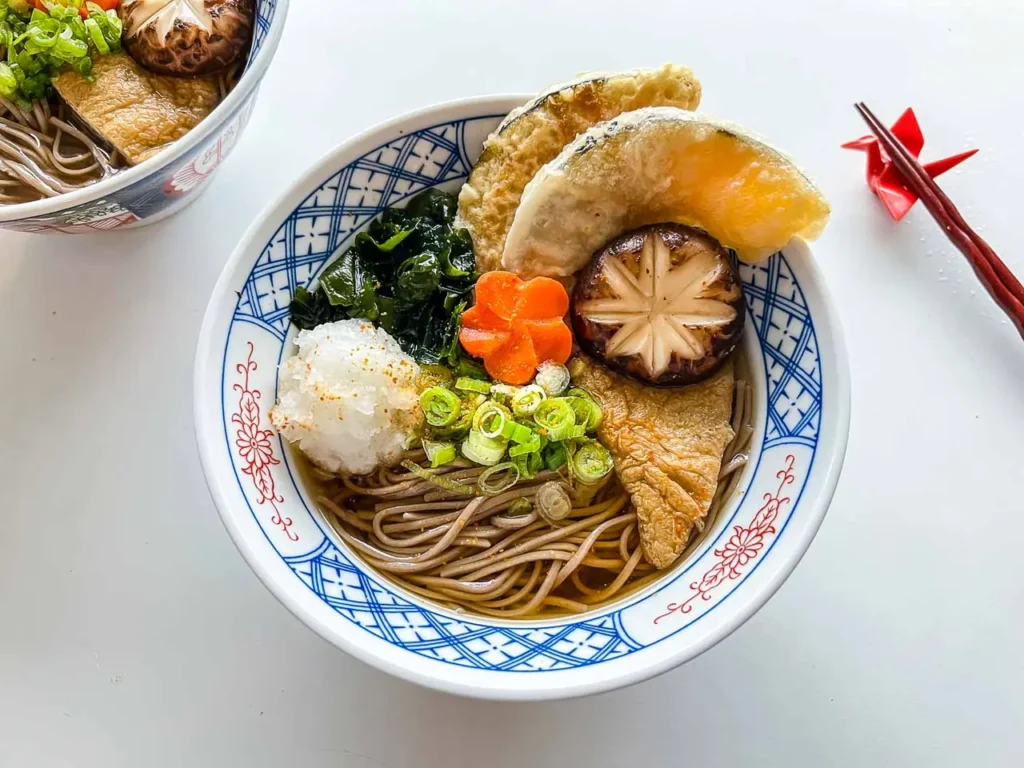
Interesting Fact
Even though it falls on December 31, Ōmisoka is one of the key December celebrations around the world, offering a Japanese lens on year-end ritual.
Read Also: Which Religion is the Oldest? Top 10 Oldest Religions in the World
Festival 5: Las Posadas (Latin America, United States)
Where It’s Celebrated
Mexico, Central America, and U.S. Hispanic communities.
Cultural Significance
Las Posadas is a nine-night celebration (Dec 16-24) commemorating Mary and Joseph’s search for lodging before the birth of Jesus. The tradition has merged indigenous and colonial Catholic elements.
Traditions & Modern Adaptations
Processions reenact the pilgrim journey, parties and piñatas, sharing of food, and puertas (doors) opening. In the U.S., it has become a festive expression of December festivals in Hispanic communities.
Interesting Fact
Las Posadas offers a vivid example of how festivals celebrated in December can preserve regional culture while engaging younger diasporic generations.
Festival 6: Saint Nicholas Day (Europe)
Where It’s Celebrated
Central and Northern Europe (Netherlands, Germany, Belgium, parts of Italy). Occurs December 6 (or nearby).
Cultural Significance
Saint Nicholas, a 4th-century bishop, became the model for Santa-figure traditions. The festival honours generosity and comes ahead of the main Christmas celebrations.
Traditions & Modern Adaptations
Children place shoes out for treats, parades, and “Sinterklaas” pages, and community events emphasise giving and kindness. In the context of December celebrations around the world, Saint Nicholas Day underscores early warming rituals before the main holiday.
Interesting Fact
In some European towns, the Saint Nicholas processions spark regional tourism and preserve folk craftsmanship tied to global winter festivals.
Read Also: 7 Truths About Authentic North Americans You Need to Know
Festival 7: Boxing Day (UK, Canada, Australia)
Where It’s Celebrated
United Kingdom, Canada, Australia, New Zealand—within the Commonwealth. December 26 is the key date.
Cultural Significance
Traditionally, a day when service workers received “boxes” (gifts) from employers and society upheld acts of generosity. Over time, it became a public holiday of leisure and sporting events.
Traditions & Modern Adaptations
Families relax after Christmas, and major sporting fixtures and charity events occur. In a broader sense of global winter festivals, Boxing Day represents the continuation of festive momentum.
Interesting Fact
In the digital age, Boxing Day sales in the UK and online echo U.S. “Black Friday”-style commerce — a modern twist on a historic December celebration.
Read Also: Cultural Differences Between Canada and the USA: 5 Unexpected Contrasts
Festival 8: Yule / Winter Solstice Traditions (Nordic, Pagan-Derived)
Where It’s Celebrated
Scandinavia and northern Europe; many modern pagan and neo-pagan groups globally observe Yule in December.
Cultural Significance
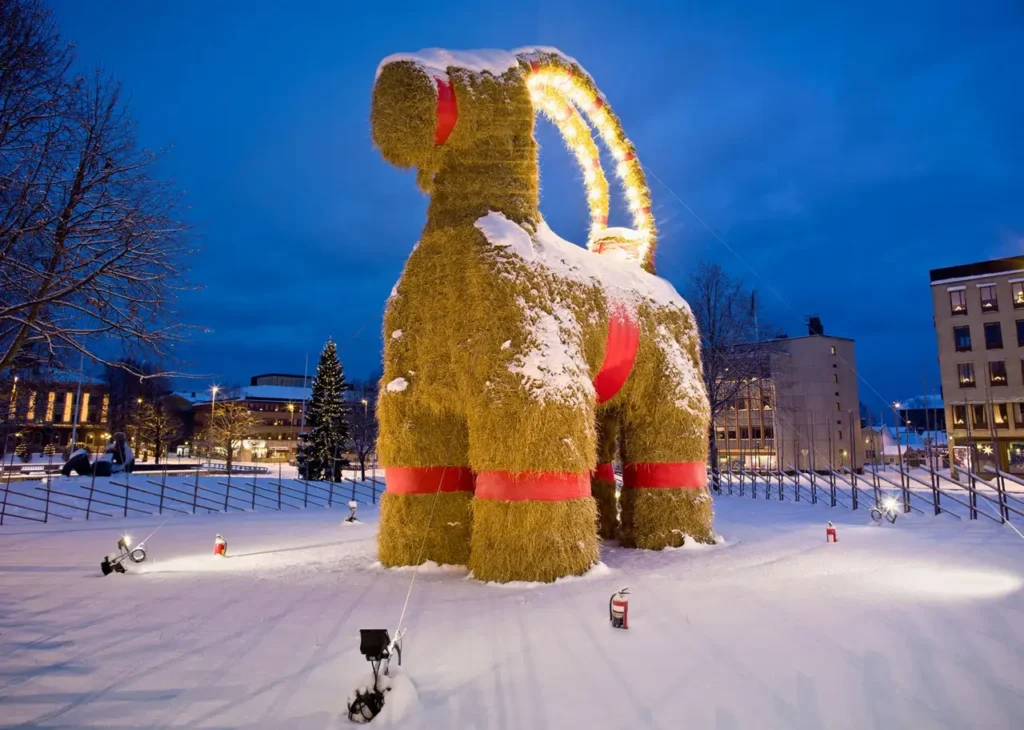
The marking of the winter solstice (around December 21) has been central in Northern Europe: return of light, rebirth of the sun, and communal feasting. Today, that legacy lives on in Yule logs, evergreen decorations, and festivals celebrated in December.
Traditions & Modern Adaptations
Burning the Yule log, lighting candles, sharing stories around winter fires, and attending solstice gatherings. These rituals link ancient astronomy, seasonal change, and communal meaning.
Interesting Fact
Many of today’s Christmas customs — evergreen trees, lights, feasting — derive from these older solstice celebrations.
Read Also: Difference Between a Solstice and an Equinox: 3 Easy Facts to Remember
Festival 9: Fête des Lumières (Lyon, France)
Where It’s Celebrated
Lyon, France — annually around December 8.
Cultural Significance
Originally a Catholic ritual of gratitude to the Virgin Mary, the festival evolved into a spectacular display of light, art, and communal street culture.
Traditions & Modern Adaptations
Homes and streets fill with candles, projection-mapping light shows illuminate historic buildings, and tourists gather from Europe and beyond. It stands as a potent example of how December festivals blend tradition with innovation.
Interesting Fact
Though regional, the Fête des Lumières has gained global visibility through tourism and the media — showing how even local December celebrations extend reach in a connected world.
Read Also: Top 10 Most Popular Cities In The World To Visit In 2025
Festival 10: New Year’s Eve Celebrations (Global)
Where It’s Celebrated
Virtually everywhere: from Times Square, New York, to Sydney Harbour, Tokyo, Rio. December 31 is the key date.
Cultural Significance
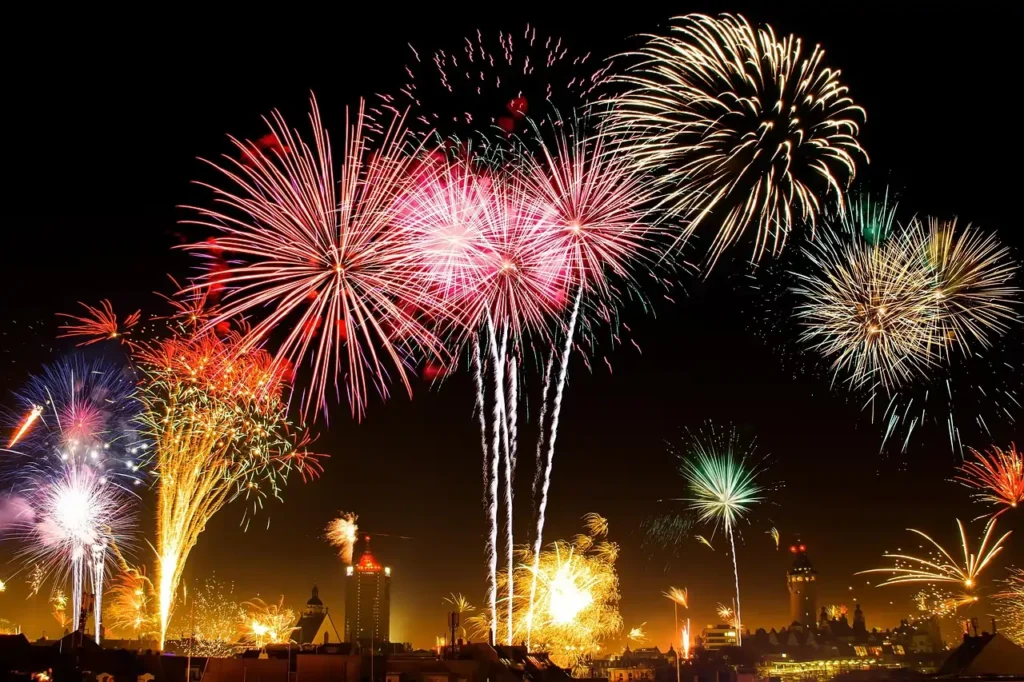
The junction of one year and the next invites ritual: fireworks, countdowns, resolutions. It is the capstone of many festivals celebrated in December and the starting point for new ones.
Traditions & Modern Adaptations
Midnight fireworks, communal gatherings, national broadcasts, and family reunions. In many cultures, it merges with other December festivals (like Ōmisoka in Japan) to reinforce themes of renewal.
Interesting Fact
In Japan, Ōmisoka and New Year’s merge; globally, the scale and media-centred nature of New Year’s has made it one of the most universally observed December celebrations around the world.
Read Also: Unlock Bliss: Top 10 U.S. Cities with the Best Weather Year-Round You’ll Adore
10 Vibrant Multinational Festivals Celebrated in December
| Festival Name | Dates (Approx.) | Countries / Regions Celebrated | Core Theme / Significance | Key Traditions & Customs | Cultural / Global Reach |
|---|---|---|---|---|---|
| Christmas | December 25 | Worldwide (especially the USA, Europe, Latin America, Asia, and Africa) | Birth of Jesus Christ; Celebration of light, love & giving | Worldwide (especially USA, Europe, Latin America, Asia, and Africa) | Decorating trees, exchanging gifts, church services, feasts, and carols |
| Hanukkah | 8 days (usually mid-December) | Jewish communities worldwide | Commemoration of the Temple’s rededication & oil miracle | Lighting menorah, playing dreidel, eating latkes & doughnuts | One of the most widely celebrated festivals is celebrated in December |
| Kwanzaa | December 26 – January 1 | USA, African diaspora globally | Honor African heritage, unity, and seven principles (Nguzo Saba) | Lighting the kinara, storytelling, Karamu feast, gift exchanges | Honor African heritage, unity, and the seven principles (Nguzo Saba) |
| Ōmisoka | December 31 | Japan | Cleansing and renewal before New Year | House cleaning, toshikoshi soba, temple bells rung 108 times | Major Japanese December celebration around the world |
| Las Posadas | December 16 – 24 | Mexico, Central America, U.S. Hispanic communities | Reenactment of Mary & Joseph’s search for shelter | Processions, piñatas, singing, feasting | Strong cultural & communal presence among Hispanic communities |
| Saint Nicholas Day | December 6 | Europe (Netherlands, Germany, Belgium, Italy) | Honoring the patron saint of children & generosity | Cleansing and renewal before the New Year | Shoe gifts, parades, songs, and community charity |
| Boxing Day | December 26 | UK, Canada, Australia, New Zealand | Acts of giving, relaxation, and sports after Christmas | Gift boxes, charity drives, family leisure, major sales | Recognized across Commonwealth nations and global retail culture |
| Yule / Winter Solstice | Around December 21 | Scandinavia, Northern Europe, Neo-Pagan communities | Celebration of the sun’s rebirth & longest night’s passing | Lighting the Yule log, feasting, storytelling, and bonfires | Gift boxes, charity drives, family leisure, and major sales |
| Fête des Lumières | Around December 8 | Lyon, France (and now global tourists) | Festival of Lights honoring the Virgin Mary; now a cultural art event | Candles in windows, light projections, public art installations | A universally recognized December celebration around the world |
| New Year’s Eve | December 31 | Worldwide | Farewell to the old year; welcoming the new | Fireworks, countdowns, midnight toasts, global broadcasts | Universally recognized December celebration around the world |
Global Connection: The Universal Spirit of December Festivals
When we survey these 10 multinational festivals celebrated in December, a few patterns emerge:
- Light in darkness: Many traditions use candles, fires, or lanterns to symbolise hope amid winter’s short days.
- Community and giving: Gift-exchange, charity, feasts, and shared rituals appear repeatedly.
- Renewal and transition: December lies at the threshold — closing cycles, opening new ones.
- Cultural layering: Older pagan/solstice traditions, religious celebrations, and commercial adaptations all interweave.
- Global and local interplay: Even as each festival has distinct cultural roots, they engage global audiences and diaspora communities — fulfilling the idea of global winter festivals.
Conclusion
In reflecting on festivals celebrated in December, we realise that while the customs differ, the spirit is constant: finding light in dark times, gathering in community, acknowledging the past, and opening to the future. From the evergreen-lit tree in a U.S. living room, to the kinara in a diasporic home, to temple bells in Tokyo, December becomes the month of connection.
As we move forward, let’s carry this truth: our traditions are more than artifacts — they are bridges. When we participate with awareness, we honour the past, enrich the present, and spark the future.
Key Takeaway:
Across cultures, the December season invites us not just to celebrate—but to connect. Festivals celebrated in December are, at their core, global rituals of light, community, and renewal.
FAQs
1. Are all festivals celebrated in December religious in nature?
Not necessarily. While many have religious roots (e.g., Christmas, Hanukkah), others emphasise cultural, communal, or seasonal themes (e.g., Kwanzaa, Ōmisoka).
2. Why are so many global winter festivals grouped in December?
December sits after the winter solstice in the Northern Hemisphere, a natural moment for reflection, light-seeking, and renewal. Thus, many global winter festivals centre around this time.
3. Can someone observe more than one December festival in the U.S.?
Absolutely. Many Americans celebrate Christmas alongside other December festivals such as Hanukkah or Kwanzaa, reflecting plural identities and cultural overlap.
4. Do these festivals happen only in the Northern Hemisphere because it’s winter there?
While many originate in the Northern Hemisphere winter context, their observance has spread globally. Moreover, some Southern Hemisphere communities celebrate similar rituals, though seasonal inversion may apply.