
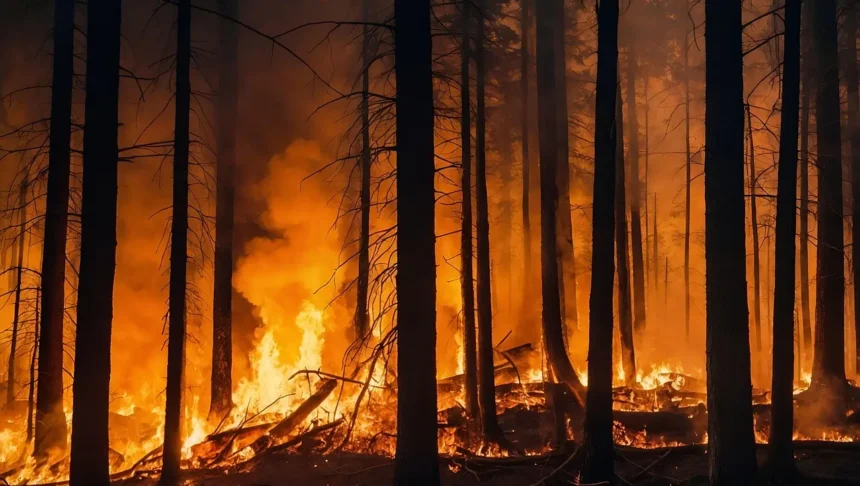
“Due to climate change, wildfires are growing in size, frequency, and intensity, and wildfire seasons are becoming longer.” – Mikie Sherrill
Wildfire seasons have always shaped America’s landscapes, but 2025 challenged everything we thought we knew. This year, we witnessed the 5 most destructive wildfires in the US. Extreme drought, record-breaking heatwaves, and unusual wind patterns pushed fire behavior to new heights. Entire regions burned faster, hotter, and more unpredictably than at any point in the past decade.
These 5 most destructive wildfires in the US left scars on communities, forests, and ecosystems.
But what made 2025 this intense?
Why did fire crews struggle to contain blazes that once would’ve been manageable?
And what can we learn before the next fire season arrives?
In this article, we break down the most destructive wildfires in the US, explore the science behind these events, and highlight what Americans must understand about the growing connection between US wildfires, climate change, and wildfires triggered by shifting atmospheric patterns.
Read Also: The 5 Most Disaster-Hit US States in 2025: Shocking Damage & Hard Lessons
Why 2025 Became a Historic Wildfire Year
Before diving into the 5 worst fires, let’s quickly look at what set the stage.
Several factors aligned to make 2025 a hazardous year:
- Prolonged drought across the West and Southwest
- Record-setting heatwaves in July and August
- Dense “fuel loads” due to overgrown forests
- Dry lightning outbreaks
- Unpredictable warm winds (Santa Anas, Chinooks, Diablo winds)
- Expanding wildland-urban interfaces
According to NOAA, the U.S. experienced a 37% increase in extreme-heat days compared with the 20th-century average — a sharp reminder of the growing link between climate change and wildfires.
These conditions primed America for the most destructive wildfires in the US in 2025.
Read Also: Can Animals Predict Disasters? Understanding Nature’s Early Warning System
The 5 Most Destructive Wildfires in the US in 2025
Below is a summary table of the fires we’ll cover.
Table 1: 5 Most Destructive Wildfires in the US in 2025
| Rank | Wildfire Name & State | Acres Burned | Homes Lost | Deaths | Estimated Economic Damage |
|---|---|---|---|---|---|
| 1 | Ridge Valley Fire, California | 402,000+ | 6,800+ | 93 | $18.4 billion |
| 2 | Big Horn Blaze, Montana | 276,500+ | 2,900+ | 41 | $6.7 billion |
| 3 | Redwater Canyon Fire, Arizona | 198,000+ | 1,700+ | 27 | $4.1 billion |
| 4 | North Cascade Crown Fire, Washington | 153,200+ | 1,100+ | 24 | $3.3 billion |
| 5 | Pine Ridge Complex, Colorado | 126,800+ | 900+ | 18 | $2.5 billion |
Each one of these fires ranks among the most destructive wildfires in the US — not just in 2025, but in the past several decades.
Let’s break down each one.
1. Ridge Valley Fire, California — The Most Destructive Wildfire of 2025
The Ridge Valley Fire stands as a defining chapter in America’s 2025 wildfire season, widely recognized as one of the most destructive wildfires in the US. Igniting in late August, during a brutal stretch of peak heat, the blaze exploded across the parched landscapes of Northern California.
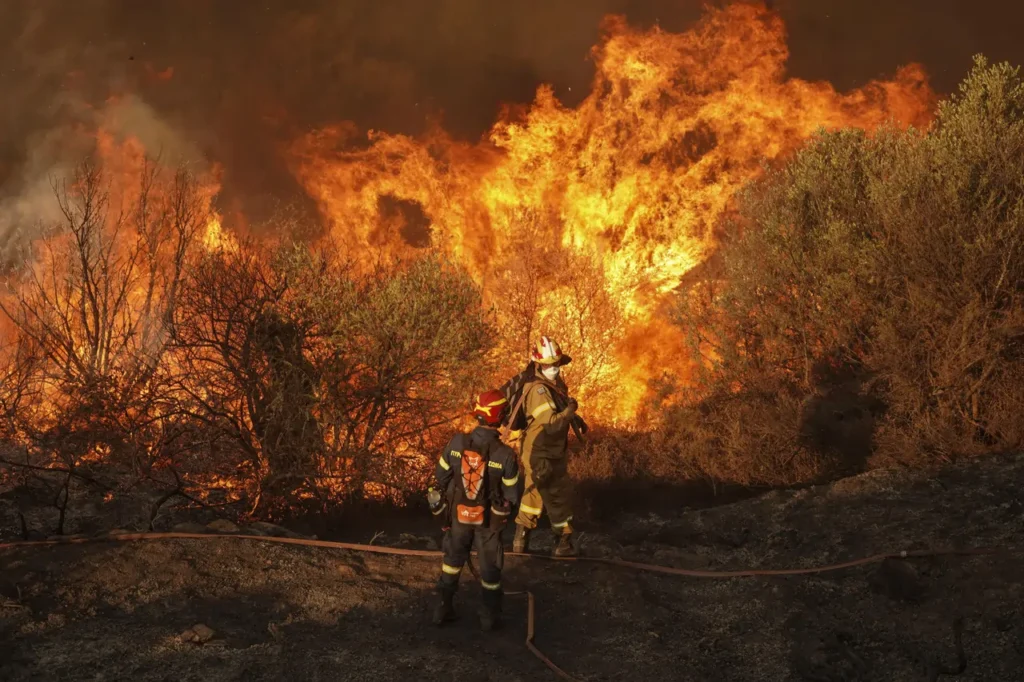
With temperatures soaring well above seasonal averages and humidity levels dropping to single digits, conditions created a perfect storm for extreme fire behavior. This disaster quickly became a major case study for scientists examining the worsening relationship between climate change and wildfires, and long-term environmental shifts.
Key Stats
- Acres burned: 402,000+
- Structures destroyed: 6,800+
- Fatalities: 93
- Cause: Dry lightning paired with violent, wind-driven ember storms
Why This Fire Became So Deadly
The Ridge Valley Fire escalated due to three critical factors: an intense heat dome, forests overloaded with more than 25 years of unburned fuel, and an unusual northeast wind event that pushed flames with terrifying speed.
Once embers reached foothill communities, entire neighborhoods ignited within minutes. Fire crews described the blaze as a “horizontal volcano,” with flames racing across ridgelines faster than many could evacuate.
This phenomenon highlights why experts now classify it among the most destructive wildfires in the US and a warning for future US wildfires under shifting climate patterns.
Long-Term Impact
The fire left a massive footprint. It destroyed thousands of homes, crippled electrical infrastructure, and triggered air quality alerts across five states. Ecologists warn that the affected ecosystems may take decades to recover, with soil degradation and habitat loss altering regional biodiversity.
Ash runoff into the Sacramento River disrupted fish populations and impacted water systems, underscoring how climate change and wildfires create cascading environmental consequences. The Ridge Valley Fire remains a stark reminder of why 2025 marked a turning point in America’s wildfire history.
Read Also: When Fossil Fuel Will Run Out? Can Fossil Fuels be Renewed?
2. Big Horn Blaze, Montana
Montana faced one of its harshest fire seasons in living memory, and the Big Horn Blaze quickly emerged as a defining disaster of 2025. It ranked among the most destructive wildfires in the US, reshaping how we view US wildfires across the Northern Plains.
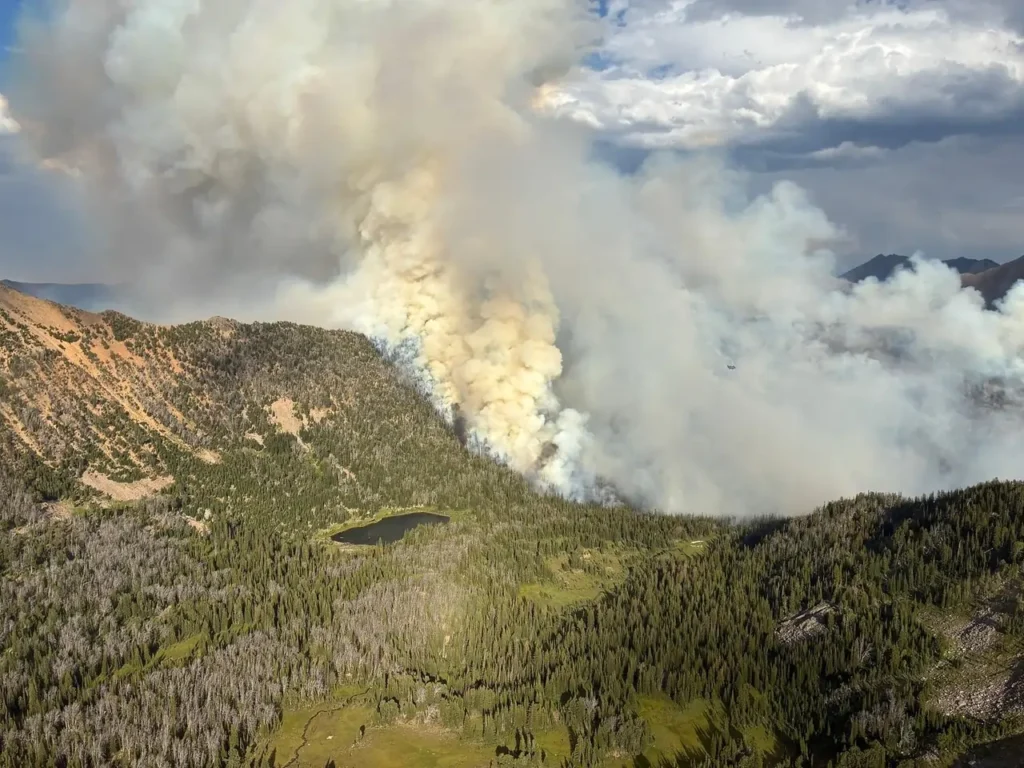
Burning more than 276,500 acres, this fire tore through drought-stricken grasslands with terrifying speed and intensity and became the largest wildfire in the state’s recorded history.
Key Stats
- Acres burned: 276,500+
- Structures lost: 2,900+
- Fatalities: 41
- Trigger: Lightning strike in drought-stressed grasslands
Why It Spread So Aggressively
The Big Horn Blaze spread with unusual ferocity due to a combination of meteorological and ecological factors. During the peak of the burn, humidity levels dropped to a dangerously low 3%, creating a super-dry environment where even minor sparks could ignite explosive fire behavior.
Wind gusts surpassing 45 mph pushed flames through valleys and open prairie, converting grasslands into a massive fire corridor within hours.
As part of a broader pattern linking climate change and wildfires, Montana’s prolonged drought and rising temperatures played a critical role. These conditions dried out vegetation, turning the landscape into fuel that accelerated what would eventually be recognized as one of the most destructive wildfires in the US.
Historic ranches dating back generations were wiped out. Local tribes faced the heartbreaking loss of cultural sites, sacred grounds, and ancestral landscapes. Firefighters described the blaze as “a fast-moving wall of heat,” unlike anything witnessed in past US wildfires in this region.
Long-Term Effects
The Big Horn Blaze left long-lasting scars. Wildlife migration routes were disrupted, thousands of acres of rangeland were damaged, and rural fire districts were stretched beyond capacity.
Recovery efforts will likely continue for years, reinforcing how climate change and wildfires are reshaping the American West and producing some of the most destructive wildfires in the US in modern times.
Read Also: Uncover the Hidden Treasures of the Great Plains of North America
3. Redwater Canyon Fire, Arizona
The Redwater Canyon Fire stands out as one of the most alarming US wildfires of 2025, a fierce reminder of how quickly the environment can shift when extreme heat collides with fragile ecosystems.
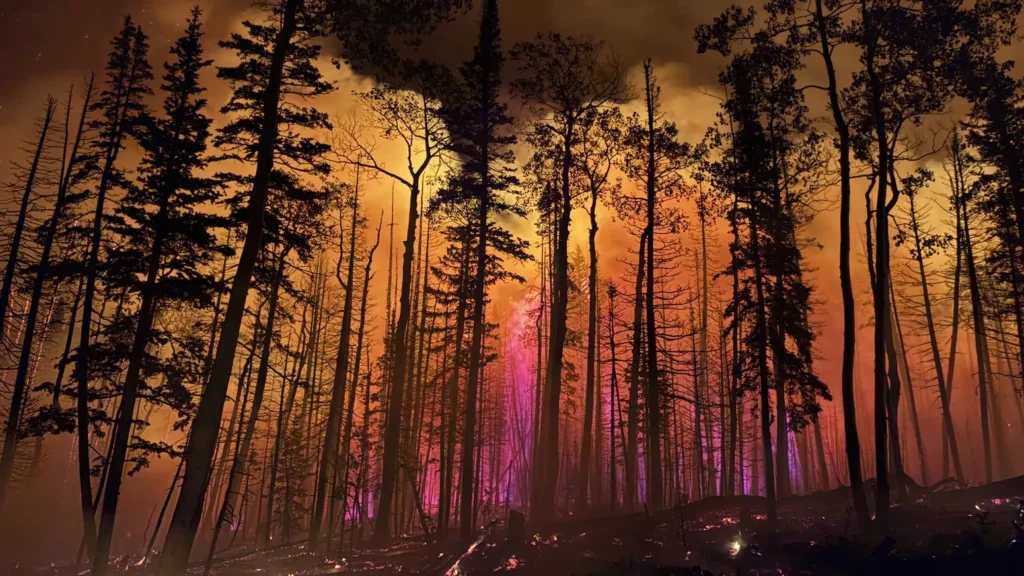
This blaze erupted during a season already defined by prolonged drought and the failure of Arizona’s monsoon cycle. Instead of the cooling, moisture-rich storms the region depends on, dry electrical storms swept across the desert, creating ideal ignition conditions for one of the most destructive wildfires in the US this year.
Key Stats
- Acres burned: 198,000+
- Homes destroyed: 1,700+
- Deaths: 27
What Made It So Severe
What made the Redwater Canyon Fire uniquely dangerous was the combination of ecosystem diversity and explosive fire behavior. Cactus forests and grasslands burned simultaneously, an unusual and highly volatile scenario even in the history of the US wildfires.
The canyon’s steep walls acted like a natural chimney, accelerating the flames upward and creating intense vertical firestorms.
Hot, dry winds pushed embers into nearby suburban areas, overwhelming local fire defenses. Crews reported temperatures rising above 1,400°F in confined canyon pockets — a level of heat rarely documented outside mega-fires.
As discussions about climate change and wildfires intensify, experts cite this fire as a textbook case of how warming patterns amplify fire behavior.
Aftermath & Broader Impact
The aftermath of the Redwater Canyon Fire stretched far beyond the burn scar. Several endangered species habitats were devastated, prompting emergency wildlife relocation.
Interstate corridors faced weeks of closures as smoke, debris, and unstable slopes threatened motorists.
Economically, the region suffered heavy losses, and ecologists warn that full landscape recovery may take decades.
In every measure — ecological, structural, and human — this blaze rightfully earned its place among the most destructive wildfires in the US.
Read Also: 10 Deepest Canyons in the World That Will Leave You in Awe
4. North Cascade Crown Fire, Washington
The North Cascade Crown Fire became one of the most destructive wildfires in the US in 2025, shocking a region that typically expects cooler summers, heavy moisture, and dense, slow-burning forests. Yet this blaze defied expectations and revealed how dramatically US wildfires are evolving in a warming climate.
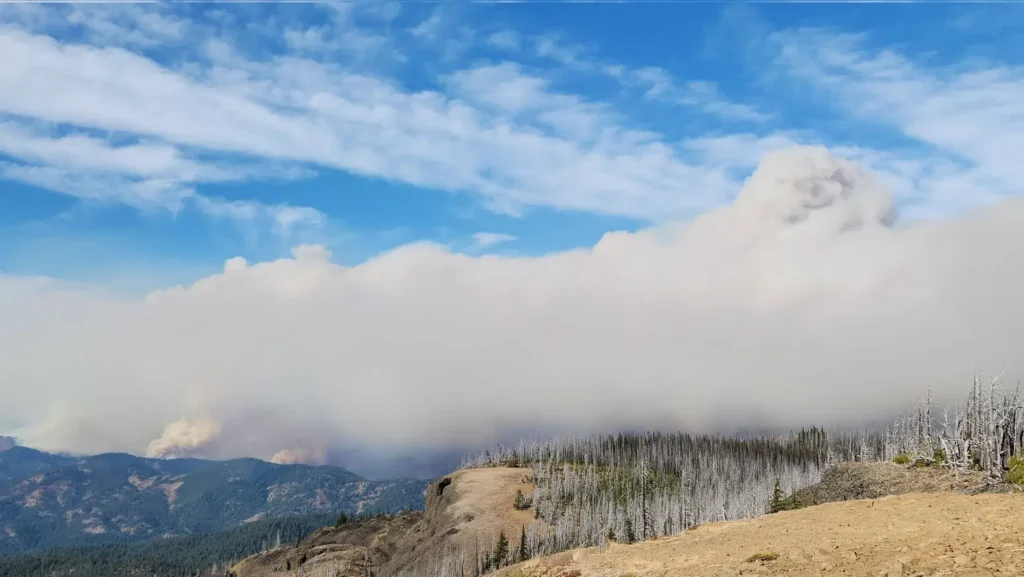
The Pacific Northwest has long been perceived as a buffer against extreme fire behavior, but the 2025 season forced us to rethink that assumption entirely.
Key Stats
- Acres burned: 153,200+
- Structures destroyed: 1,100+
- Fatalities: 24
Why It Was So Unusual
What made this fire especially alarming was the unprecedented early-summer drought, which dried the forest canopy weeks before the usual timeline. This rare dryness left Washington’s iconic conifer forests—normally cool, shaded, and moisture-rich—highly flammable.
In many ways, this event became a case study in how climate change and wildfires interact to create extreme conditions even in historically low-risk areas.
Investigations point to downed power lines as the likely ignition source. However, it was the environment that turned a spark into a fast-moving crown fire. Several contributing factors intensified the spread:
- Dense conifer fuel that burned hotter than expected
- Thermal inversion layers that trapped heat and supercharged fire intensity
- Widespread dryness similar to conditions seen in historic US wildfires
Environmental Consequences
The North Cascade Crown Fire left profound ecological damage, marking it as one of the most destructive wildfires in the US this year. Thousands of acres of old-growth cedar vanished, removing centuries of forest development in days.
Smoke drift severely affected Vancouver and Seattle, triggering air quality alerts for millions.
Soil burn severity maps showed extensive hydrophobic layers, increasing future flood and landslide risks—another reminder of the deep links between climate change and wildfires.
Read Also: Temperature Inversion: Understanding the Atmospheric Anomaly
5. Pine Ridge Complex, Colorado
Colorado’s Pine Ridge Complex earned its place among the most destructive wildfires in the US, striking the state with an intensity that local firefighters described as both unpredictable and overwhelming.
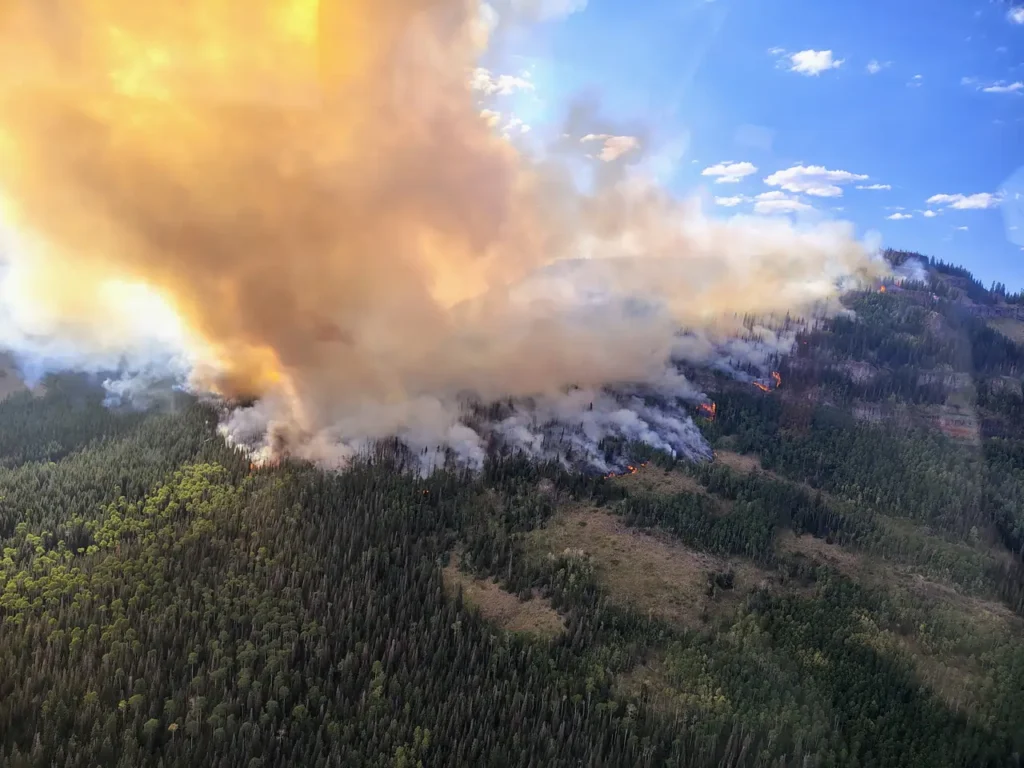
The blaze erupted during a period when the Rockies were already parched, and within hours, flames moved from foothills into higher valleys, threatening towns that had never experienced fire at this scale.
Among all US wildfires in 2025, the Pine Ridge Complex stood out because it affected multiple elevation zones simultaneously, making containment extremely difficult.
Key Stats
- Acres burned: 126,800+
- Homes destroyed: 900+
- Deaths: 18
- Cause: Recreational campfire + strong Chinook winds
Why It Spread So Widely
Several environmental and climatic factors made this fire unusually aggressive. A low winter snowpack left the soil and vegetation dangerously dry months before summer. The region’s vast stretches of beetle-kill forests, essentially standing deadwood, acted like a massive tinderbed.
When strong Chinook winds swept across the slopes, even small spot fires erupted into towering firestorms. Steep terrain accelerated uphill runs, while narrow canyons funneled flames directly into tourism-dependent towns during peak travel season, causing significant economic disruption.
Long-Term Patterns
Scientists emphasize that the Pine Ridge Complex illustrates the evolving connection between climate change and wildfires. Colorado’s shifting snowpack cycles, hotter summers, and prolonged drought periods are driving more extreme US wildfires.
The Pine Ridge Complex is now referenced in climate reports as a clear indicator of how the most destructive wildfires in the US are becoming more frequent, more intense, and more influenced by warming-driven environmental shifts.
Comparing 2025 Wildfires With Previous Years
When we compare 2025 to earlier seasons, the scale and intensity become immediately clear. This year produced some of the most destructive wildfires in the US, surpassing the burn area recorded in both 2023 and 2024. The total acreage lost reflects how US wildfires have shifted from seasonal challenges to year-round threats in several regions.
This dramatic change is closely tied to climate change and wildfires, especially as rising temperatures and prolonged drought continue to reduce moisture across forests, grasslands, and rural communities.
Read Also: How Does Climate Change Impact Coastal Ecosystems In The U.S.- 5 Shocking Threats
Wind-Driven Mega-Fires Become More Common
One of the defining features of 2025 was the surge in wind-driven mega-fires. These explosive events, among the most destructive wildfires in the US, were often sparked by lightning or human activity, but it was extreme windstorms that transformed small ignitions into uncontrollable firestorms.
Compared to 2023 and 2024, 2025 witnessed more long-range ember spotting, faster flame spread, and fire behavior resembling the largest US wildfires from earlier decades — but with even more intensity.
Multi-State Outbreaks and Greater Urban Exposure
Another major difference was the simultaneous spread of large fires across multiple states. While earlier years saw regional peaks, 2025 recorded overlapping crises from California to Montana and Arizona to Washington. This pattern magnified emergency response challenges and contributed to some of the most destructive wildfires in the US ever documented.
Expanding housing zones also played a role. As more Americans moved into fire-prone wildland–urban interfaces, structural losses soared. This aligns with the scientific view that climate change and wildfires are increasingly interconnected, shaping where and how damage occurs.
Read Also: Why Urbanization Contributes to Pollution- 5 Alarming Facts About It
Historic Patterns with Hotter, More Dangerous Conditions
Atmospheric conditions in 2025 resembled the infamous 2020 fire year but with higher temperatures, lower humidity, and more volatile wind events. Combined, these factors produced US wildfires with greater structural damage, solidifying 2025 as one of the defining years for the most destructive wildfires in the US.
Major Drivers Behind the 2025 Fire Crisis
Understanding why 2025 produced some of the most destructive wildfires in the US requires a closer look at the overlapping climate, ecological, and human forces that shaped fire behavior. This year’s US wildfires demonstrated how multiple stressors, intensified by environmental shifts, can converge to produce powerful, fast-moving fire events.
Climate-Driven Factors
The first major driver was the accelerating influence of climate change and wildfires interacting in ways scientists have been warning about for years.
Unusual heatwaves across western and southwestern states acted like massive drying ovens, stripping moisture from vegetation and soil. These heatwaves weren’t brief; many persisted for weeks, creating ideal ignition and spread conditions for some of the most destructive wildfires in the US in recent memory.
Higher average temperatures further amplified the problem. The 2025 fire season saw temperature spikes well above long-term averages, causing fuels such as grasses, shrubs, and forest litter to reach extreme dryness far earlier than usual.
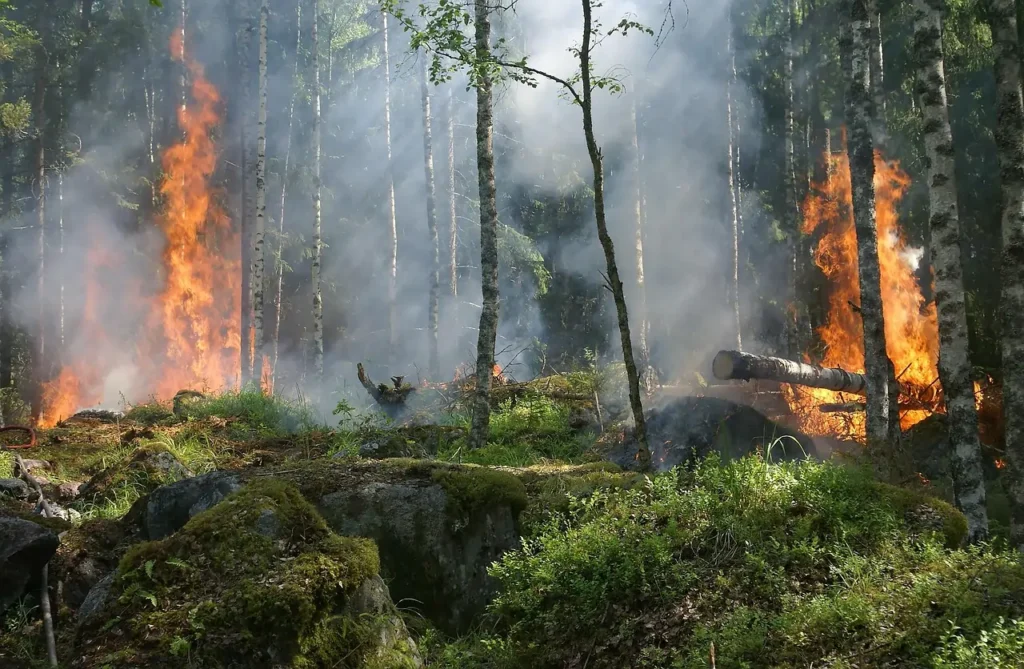
Additionally, increased lightning events, especially dry lightning, became a major ignition source. With minimal rainfall accompanying these storms, strikes immediately ignited dry fuels.
Read Also: Catatumbo Lightning: 8 Incredible Facts about the Mystery of Maracaibo Lake
Early snowmelt also played a critical role. Mountain regions that traditionally retain snowpack into summer saw rapid melt-outs, creating long, dry, and exposed fire seasons. This climate-driven pattern deepened the link between climate change and wildfires, contributing significantly to the year’s extreme US wildfires.
Ecological & Human Factors
Alongside climate forces, several human and ecological factors intensified the 2025 fire crisis. Decades of overgrown forests created dense, continuous fuel beds that allowed flames to spread unchecked.
Expanding housing near forests placed more communities directly in fire pathways, increasing structure loss during the most destructive wildfires in the US.
Simultaneously, inadequate forest thinning left landscapes overloaded with dead trees and brush. Human errors — from unattended campfires to equipment sparks — added ignition sources during peak danger periods.
Together, these ecological and human elements magnified the US wildfires problem and underscored how deeply intertwined our choices are with fire outcomes.
Key Takeaway
The most destructive wildfires in the US in 2025 weren’t isolated events — they were a cumulative result of hotter temperatures, denser forests, extreme winds, and expanding development into high-risk regions.
Understanding this pattern is essential if we want to safeguard lives, homes, and ecosystems in the years ahead.
Conclusion
As we look back on 2025, we cannot ignore how swiftly conditions turned deadly and destructive. The most destructive wildfires in the US this year reshaped entire regions and reminded us that wildfire behavior is evolving faster than our old assumptions.
We’ve explored each major fire, the scientific triggers behind them, and the broader patterns that made this year unprecedented. If we want to protect American communities, we must understand the connection between US wildfires, climate change and wildfires, and long-term land management.
The fires of 2025 will be discussed for decades — not only for their destruction, but for what they teach us about the new era of fire in America.
FAQs
1. What caused the most destructive wildfires in the US in 2025?
Most were driven by extreme heat, drought, lightning strikes, and wind patterns intensified by environmental changes.
2. Which state had the worst wildfire in 2025?
California’s Ridge Valley Fire ranked highest due to massive acreage loss, deaths, and billions in structural damage.
3. How does climate change influence US wildfires?
Hotter temperatures dry out vegetation, prolong fire seasons, and increase lightning, fueling larger and more extreme fires.
4. What regions were most affected by US wildfires in 2025?
The West, Northwest, and parts of the Southwest experienced the heaviest damage and highest fire intensity.
5. How can communities prepare for future wildfires?
Through evacuation planning, defensible space landscaping, updated building materials, and monitoring local fire weather.