

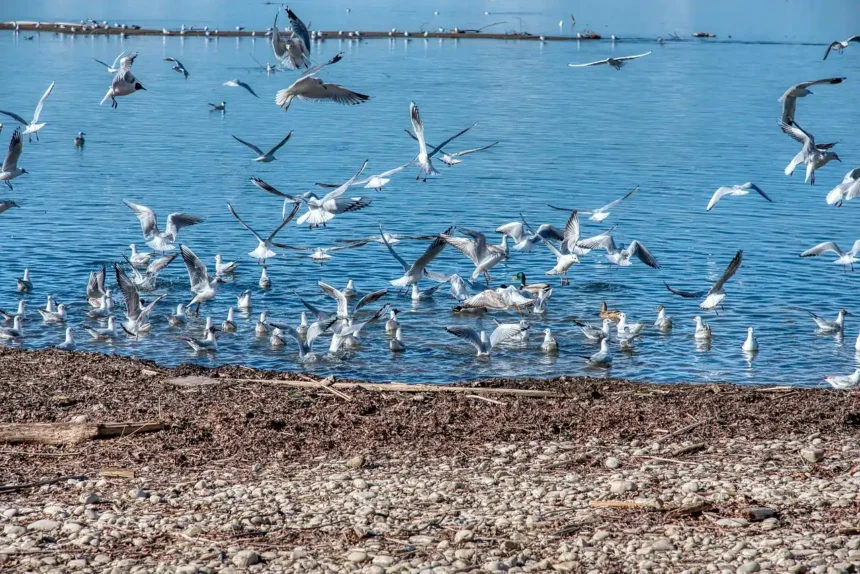
“Where water flows, life follows — and with it, the birds that guard the wetlands.”
Waterbirds have inspired legends, guided sailors, and shaped entire ecosystems. Yet some of the rarest waterbirds on our planet are slipping quietly toward obscurity. As climate change tightens its grip and wetlands vanish at alarming rates, many species face unprecedented threats.
According to the Ramsar Convention on Wetlands, we’ve already lost 35% of the world’s wetlands since 1970 — a stark warning for all wetland birds and the fragile worlds they depend on.
So today, we’re taking you on a journey through the world’s rarest bird species, where every sighting feels like a miracle and every story carries the weight of history.
If you’ve ever wondered:
- Why do some waterbirds become incredibly rare?
- Which rare aquatic birds are on the brink of disappearing?
- And what does their struggle reveal about the future of our planet?
…then settle in.
We’re about to explore the Top 10 Rarest Waterbirds Found in the World, each one a breathtaking reminder of nature’s mysteries.
Introduction
Wetlands have always been sanctuaries of biodiversity. From prehistoric herons etched in cave walls to modern wading birds navigating marshes, the relationship between water and avian life is ancient. Yet as we look closer, we realize that many of the rarest waterbirds are now living on borrowed time.
We know from American conservation records that nearly one-third of migratory waterbirds show significant population declines — a trend that echoes globally. Habitat loss, pollution, and shrinking river basins are major culprits, transforming landscapes once filled with birdsong into silent waters.
In this article, we spotlight 10 extraordinary species—some critically endangered, others surviving in isolated pockets. Each bird offers a window into the past, a warning for the present, and a challenge for our future.
Let’s begin this global exploration.
Read Also: Animals on the Brink: Updated Endangered Species List 2025
The Top 10 Rarest Waterbirds in the World
1. Madagascar Pochard (Aythya innotata)
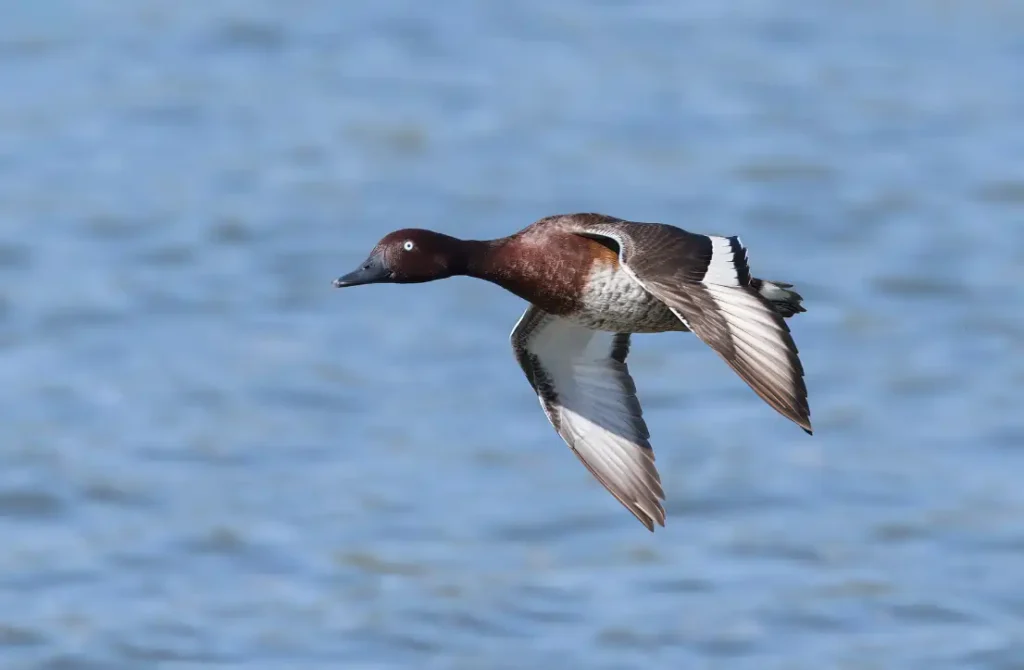
The Madagascar Pochard often tops every list of the rarest waterbirds, simply because its known population barely exceeds 30 individuals. Once believed extinct, it resurfaced in 2006 in a remote lake in northern Madagascar.
Identification & Traits
- Medium-sized diving duck
- Rich chestnut coloration
- Pale eyes with distinctive contrast
Habitat
The species depends entirely on pristine volcanic lakes—a habitat type shrinking due to sedimentation and agricultural runoff.
Why It’s Rare
- Nesting areas destroyed
- Non-native predators introduced
- Limited breeding sites
Interesting Fact
It was rediscovered by accident during a biodiversity survey, shocking the scientific community.
Read Also: Lake Taal: The Breathtaking Volcano Island in the Heart of the Philippines
2. Baer’s Pochard (Aythya baeri)
Once widespread across eastern Asia, Baer’s Pochard is now one of the world’s rarest bird species, with fewer than 100 mature individuals remaining.
Highlights
- Highly migratory
- Recognizable by its green-black head and white flanks
Why It’s Fading
- Wetland degradation in China and Myanmar
- Hunting pressure
- Pollution in shallow lakes
This species frequently appears in discussions about endangered waterbirds due to its rapid decline.
Read Also: Freshwater vs. Saltwater: Do You Know 3 Most Important Distinctions?
3. Spoon-billed Sandpiper (Calidris pygmaea)
If there’s one face that represents the crisis among rare aquatic birds, it’s the Spoon-billed Sandpiper with its iconic spatula-shaped bill.

Habitat & Range
Breeds in Arctic Russia and migrates through East Asia to Southeast Asia.
Conservation Status
Critically endangered, hovering near extinction.
Key Threats
- Coastal development
- Land reclamation
- Disturbance along migration corridors
This species is central to international conservation partnerships.
Read Also: Tundra Biome: Explore the 5 Astonishing Characteristics of it
4. White-bellied Heron (Ardea insignis)
Towering at nearly five feet, the White-bellied Heron is the giant of the list and one of the rarest waterbirds in the Himalayan region.
Habitat
Remote river valleys in Bhutan, Myanmar, and northeastern India.
Why It’s Critically Endangered
- Hydroelectric projects
- Riverbank destruction
- Fragmented habitats
Only 50–60 individuals are believed to remain in the wild.
Read Also: Formation of the Himalayas: The 50 Million-Year Struggle that Birthed a Majestic Range
5. Masked Finfoot (Heliopais personatus)
Secretive, elusive, and rarely photographed, the Masked Finfoot is disappearing rapidly.

Key Traits
- Striking black facial “mask”
- Lobed feet adapted for stealthy swimming
Distribution
Southeast Asia’s rivers, swamps, and mangroves.
A tragic combination of deforestation and wetland loss has pushed this species into a crisis, making it a priority among endangered waterbirds.
Read Also: Shocking: Mangroves are Ignored, and Our Coasts Are Paying the Price
6. White-winged Flufftail (Sarothrura ayresi)
Often hidden deep within African marshlands, this bird is so rarely seen that it remained mysterious for decades.
Highlights
- Tiny population split between Ethiopia and South Africa
- Requires seasonally flooded wetlands
What Makes It Rare
Less than 250 mature individuals worldwide.
Read Also: 7000-Year-Old Mummies in the Sahara Desert that Don’t Have DNA Similarities with Modern Man
7. Pink-headed Duck (Rhodonessa caryophyllacea)
A legend in ornithology. Some believe it may already be extinct, yet occasional unconfirmed reports keep hope alive.
Habitat (Historic)
Wetlands of India, Bangladesh, and Myanmar.
Why It Declined
- Hunting
- Habitat conversion
- Wetland drainage
It remains an emotional symbol within discussions of the world’s rarest bird species.
Read Also: Why are more cyclones in the Bay of Bengal than in the Arabian Sea?
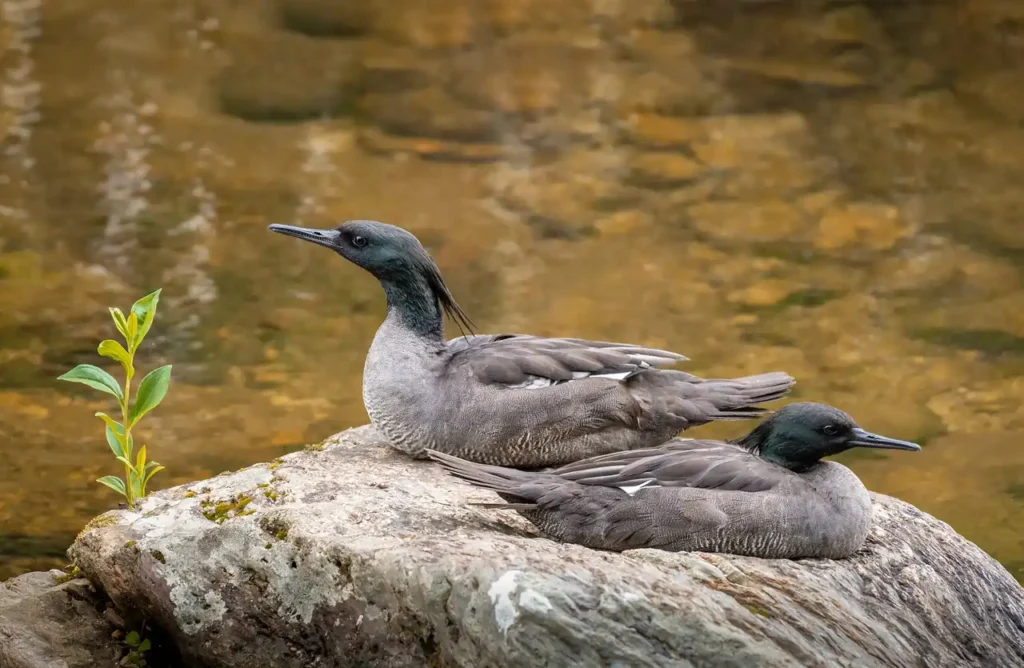
8. Brazilian Merganser (Mergus octosetaceus)
One of the rarest waterbirds in the Americas.
Habitat
Fast-flowing rivers in central Brazil and Paraguay.
Why It’s Endangered
- Dams altering river flow
- Sedimentation
- Pollution
Only about 250 individuals are estimated to exist.
Read Also: Why the Economic Value of Guano Is More Important Than Ever: 8 Key Factors
9. Chinese Crested Tern (Thalasseus bernsteini)
A seabird on the brink, often called the “bird of mystery” in Chinese conservation circles.
Key Details
- Bright orange bill
- White crest
- Breeds on remote islands in East Asia
Egg harvesting and typhoons pose additional risks.
Read Also: Socotra, the Galapagos of the Indian Ocean: 8 Little-known Facts
10. New Zealand Grebe (Ōmanaia)
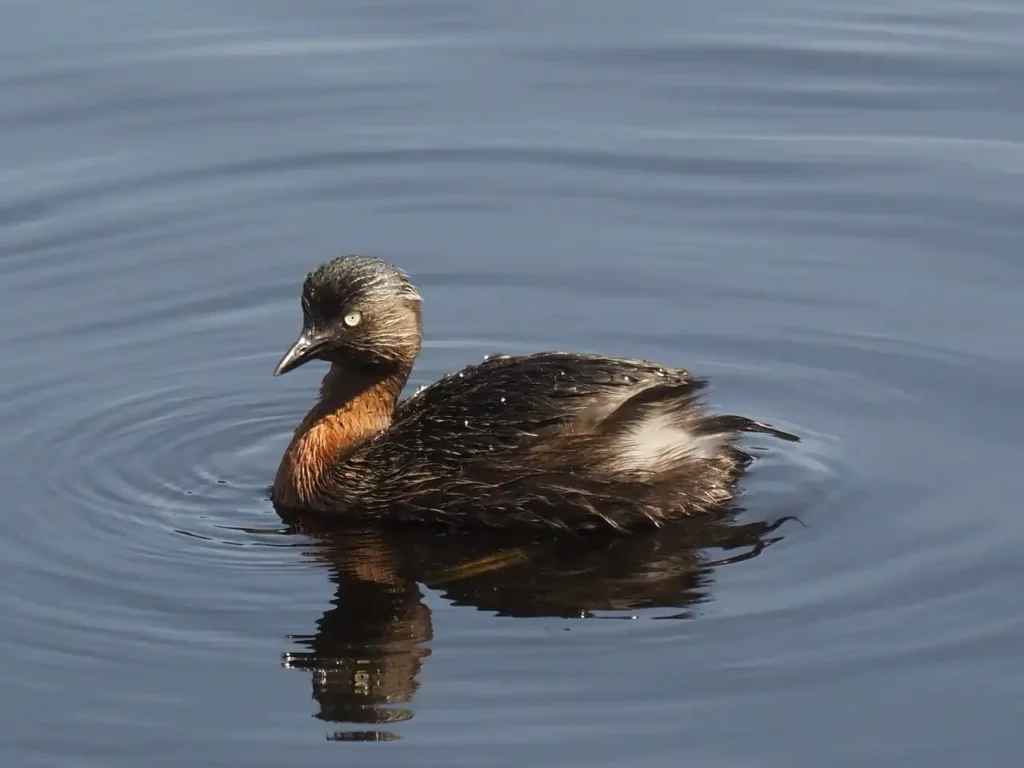
Known locally as the Ōmanaia, this species represents the wavering line between recovery and decline.
Threats
- Human recreation
- Nest disturbances
- Introduced predators
Though numbers have improved, it still deserves protection as one of the rare aquatic birds vital to New Zealand’s wetland ecology.
Read Also: Discover 11 Amazing Types of Penguins: A Comprehensive Guide
Why These Birds Are So Rare
Several overlapping forces drive the disappearance of the rarest waterbirds, creating a complex ecological crisis:
Habitat Loss
Wetlands are drained for agriculture, construction, and resource extraction.
North America alone has lost over 17 million acres of wetlands since European settlement.
Climate Change
Rising sea levels drown coastal breeding sites while droughts shrink inland marshes.
Pollution
Oil spills, plastic waste, pesticides, and heavy metals poison both food and nesting grounds.
Overhunting & Egg Collection
Historic overharvesting decimated species like the Pink-headed Duck.
Invasive Predators
Rats, cats, snakes, and dogs devastate eggs and chicks.
Each of these factors disproportionately impacts wetland birds, particularly those with small or fragmented populations.
Read Also: 5 Most Extreme Climates on Earth That Make Survival Impossible
Global Conservation Efforts
Protecting the rarest waterbirds has become a global priority as their habitats continue to shrink and their populations face unprecedented stress. Around the world, conservation groups, governments, and scientific teams are collaborating across borders to safeguard endangered waterbirds and rebuild the fragile ecosystems they depend on.
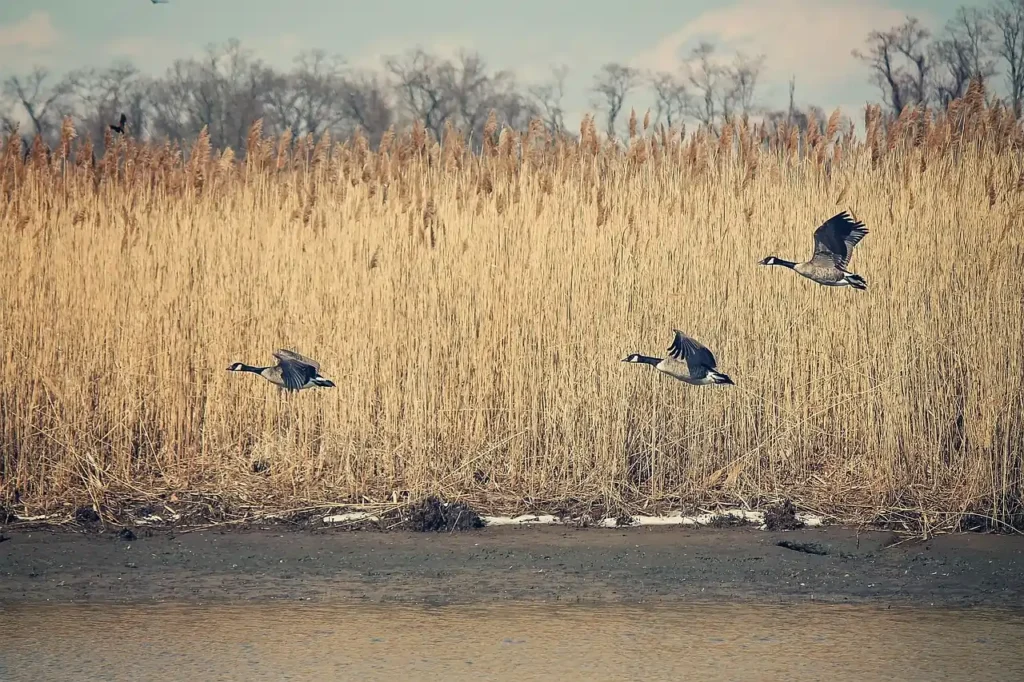
1. Captive Breeding Programs: One of the most impactful strategies is the breeding of animals in captivity, such as the celebrated Madagascar Pochard initiative. By raising chicks in controlled environments and later releasing them into restored lakes, conservationists are giving some of the world’s rarest bird species a genuine chance at long-term survival.
2. Creation of Protected Wetland Reserves: Another vital intervention is the creation of protected wetland reserves in key regions like China, India, and the United States. These sanctuaries shelter countless wetland birds and act as safe zones for breeding, feeding, and migration. Without these protected areas, many rare aquatic birds would have no secure place to recover.
Read Also: How Wetland Loss Due to Climate Change is Impacting Coastal Cities in the U.S.
3. International Cooperation: It also plays a major role. Migratory species, such as the Spoon-billed Sandpiper and the Chinese Crested Tern, rely on international migratory bird treaties that link nations along flyways. These agreements help regulate hunting, preserve stopover sites, and promote coordinated conservation policies.
4. Satellite Tracking: In addition, modern technologies are stepping into the spotlight. Satellite tracking enables scientists to map migration routes, identify new threats, and understand the behavior of the rarest waterbirds with remarkable accuracy.
5. International Institutions: Organizations like BirdLife International, WWF, and the U.S. Fish & Wildlife Service continue to lead these global efforts, proving that when data, dedication, and international unity come together, the future of endangered waterbirds becomes significantly brighter.
Key Actions
- Captive breeding (e.g., Madagascar Pochard program)
- Protected wetland reserves (China, India, USA)
- International migratory bird treaties
- Satellite tracking for sandpipers and herons
- Institutions such as BirdLife International, WWF, and the U.S. Fish & Wildlife Service play leading roles.
Data Tables
Table 1: Population Estimates of the Rarest Waterbirds
| Bird Species | Estimated Individuals | IUCN Status | Primary Threat |
|---|---|---|---|
| Madagascar Pochard | ~30 | Critically Endangered | Habitat loss |
| Baer’s Pochard | <100 | Critically Endangered | Pollution |
| Spoon-billed Sandpiper | <250 | Critically Endangered | Coastal loss |
| White-bellied Heron | 50–60 | Critically Endangered | River modification |
| Masked Finfoot | <1,000 | Endangered | Deforestation |
| White-winged Flufftail | <250 | Critically Endangered | Wetland drainage |
| Pink-headed Duck | Possibly extinct | Critically Endangered | Hunting |
| Brazilian Merganser | <250 | Critically Endangered | Dams |
| Chinese Crested Tern | <100 | Critically Endangered | Egg harvesting |
| New Zealand Grebe | ~2,000 | Vulnerable | Disturbance |
Table 2: Regions with Highest Waterbird Decline (Global Trend)
| Region | Decline (%) Since 1970 | Major Causes |
|---|---|---|
| Southeast Asia | 60% | Deforestation, aquaculture |
| South Asia | 45% | Wetland conversion |
| North America | 29% | Pollution, climate change |
| South America | 38% | Dams, mining |
| East Africa | 34% | Agricultural expansion |
Read Also: 15 Most Unique Trees in the World That Will Leave You in Awe
Key Takeaway
The rarest waterbirds teach us one powerful lesson: when water disappears, so does life. Protecting wetlands isn’t just about saving birds — it’s about safeguarding the health of our planet. Each species represents centuries of evolution and ecological heritage that cannot be replaced.
Conclusion
As we wrap up this journey through the rarest waterbirds on Earth, we’re reminded of our shared responsibility. These birds aren’t just vanishing curiosities — they’re indicators of ecosystem health, climate shifts, and environmental stewardship.
We have the power to influence the future of these rare aquatic birds by supporting conservation programs, learning about wetland biology, and understanding the historic and scientific contexts that shape wildlife survival.
If awareness spreads, restoration follows.
And if wetlands thrive, the birds will return — along with the stories they carry across continents.
FAQs
1. Why are many waterbirds highly endangered today?
Wetlands are shrinking rapidly due to construction, pollution, and climate change. When these habitats vanish, specialized waterbirds lose feeding grounds, nesting areas, and migration pathways.
2. Which waterbird is considered the rarest in the world?
The Madagascar Pochard is often regarded as the rarest, with fewer than 30 individuals left. Its survival depends heavily on lake restoration and captive breeding programs.
3. How does climate change affect rare aquatic birds?
Climate change alters water levels, shifts food availability, increases storm frequency, and floods breeding zones—especially affecting coastal species like the Spoon-billed Sandpiper.
4. Are conservation efforts showing results?
Yes, but slowly. Programs in Madagascar, China, and Bhutan have stabilized several populations. The New Zealand Grebe is an encouraging example of positive recovery.
5. Can eco-tourism help preserve the world’s rarest bird species?
Responsible eco-tourism raises global awareness, generates funding for conservation, and incentivizes local communities to protect natural habitats.