


“The sky is not the limit. It’s only the beginning.”
This old architectural saying captures exactly why we’ve always pushed structures higher and higher—testing our imagination, our technology, and our understanding of Earth’s limits.
Today, we stand in an era where the 6 tallest buildings in the world soar beyond what previous generations thought physically possible. Some rise above 2,700 feet, some twist against ferocious winds, and others shine as symbols of national pride that can be seen from miles away.
But here’s the real question we’re all asking:
Why do humans keep building taller?
Is it about engineering? Urban density? Cultural ambition? Economic identity?
Or is it simply a timeless desire to touch the clouds?
To unpack these questions, we explore the tallest buildings in the world—their extraordinary heights, their unique designs, and the scientific principles that help them stand firm against wind pressure, weight load, and extreme climate forces. As Americans fascinated by innovation and architectural evolution, we understand how modern skyscrapers and the tallest towers have shaped global skylines and redefined what progress looks like.
Before diving deep, here’s a quick comparison table to help us visualize how these architectural giants stand relative to one another.
Read Also: 10 Unique and Incredible Bridges That Defy Nature
The 6 Tallest Buildings in the World (Updated 2025)
| Rank | Building Name | Country | Height (ft) | Height (m) | Floors | Completed |
|---|---|---|---|---|---|---|
| 1 | Burj Khalifa | UAE | 2,717 ft | 828 m | 163 | 2010 |
| 2 | Merdeka 118 | Malaysia | 2,227 ft | 679 m | 118 | 2023 |
| 3 | Shanghai Tower | China | 2,073 ft | 632 m | 128 | 2015 |
| 4 | Abraj Al-Bait Clock Tower | Saudi Arabia | 1,972 ft | 601 m | 120 | 2012 |
| 5 | Ping An Finance Centre | China | 1,965 ft | 599 m | 115 | 2017 |
| 6 | Lotte World Tower | South Korea | 1,823 ft | 555 m | 123 | 2016 |
This table will help us compare not just height, but context—because each tower tells a different story.
Significance of These Structures
Before exploring each tower, let’s reflect on why these structures changed our world:
- They pushed engineering science to new limits.
- They shaped national identities.
- They influenced tourism, global business hubs, and real estate economics.
- They inspired future skyscrapers and next-generation tallest towers.
- They represent global competition and progress.
And most importantly, they showcase how far we’ll go to build upward—literally and metaphorically.
Now, let’s explore each giant in detail, beginning with the structure that still holds the crown.
Read Also: 10 Most Thrilling Trekking Routes in the World – Epic Trails for Adventure Seekers
1. Burj Khalifa — Dubai, UAE
“A vertical city that redefined the skyline of the world.”
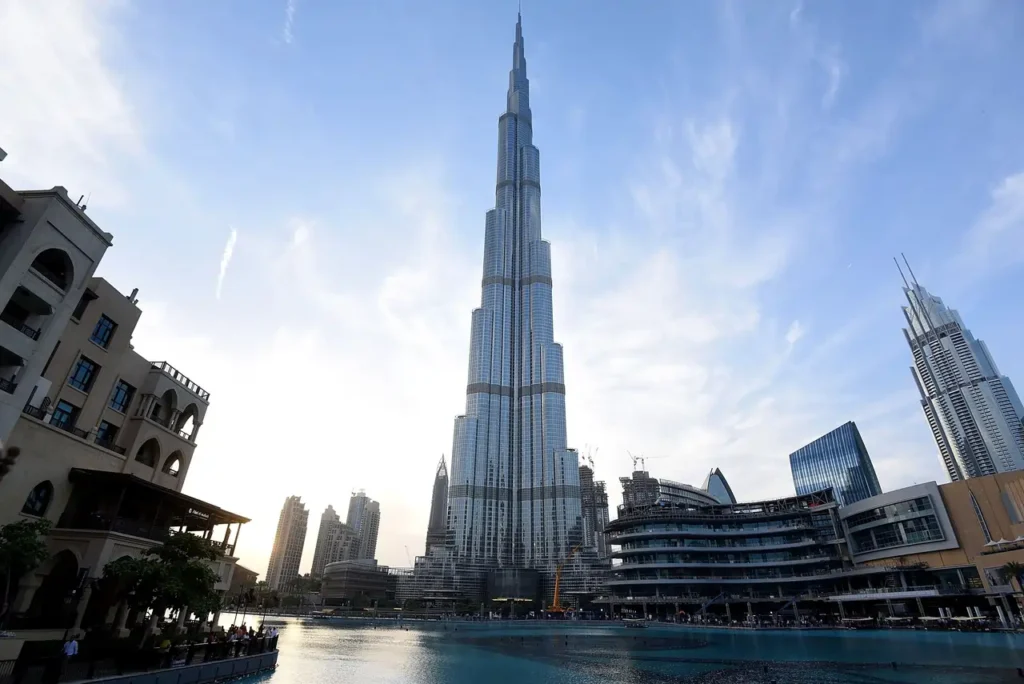
The Burj Khalifa remains the #1 tallest building in the world, towering at an astonishing 2,717 feet (828 meters). As we study these massive skyscrapers, the Burj Khalifa stands out not just because of its height, but because of the technological revolution it sparked.
Height & Basic Facts
- Height: 828 m / 2,717 ft
- Floors: 163
- Use: Residential, commercial, hotel, observation decks
- Inspiration: Spider lily flower (Hymenocallis)
The tower’s tiered “Y-shaped” structure reduces wind load and stabilizes the building—one of the key reasons it’s still the tallest despite newer competitors.
Why Burj Khalifa Was Built
Dubai wanted a global identity. Not just wealth—but recognition, tourism, investment, and symbolic presence. The tower became a turning point for the Middle East, showing that innovation thrives beyond traditional hubs.
Engineering Highlights
- Reinforced concrete core for stability
- High-performance exterior cladding to handle extreme desert heat
- Pinned-back curtain walls to reduce suction forces
- World’s highest observation deck (at completion)
Cultural Influence
Burj Khalifa transformed Dubai into a global icon, attracting millions of visitors each year. Even Hollywood embraced it—the tower featured in Mission: Impossible – Ghost Protocol.
Key Takeaway
The Burj Khalifa proves that ambition, strategic engineering, and national vision can create a structure that defines an entire country.
2. Merdeka 118 — Kuala Lumpur, Malaysia
“A symbol of freedom rising above the city.”
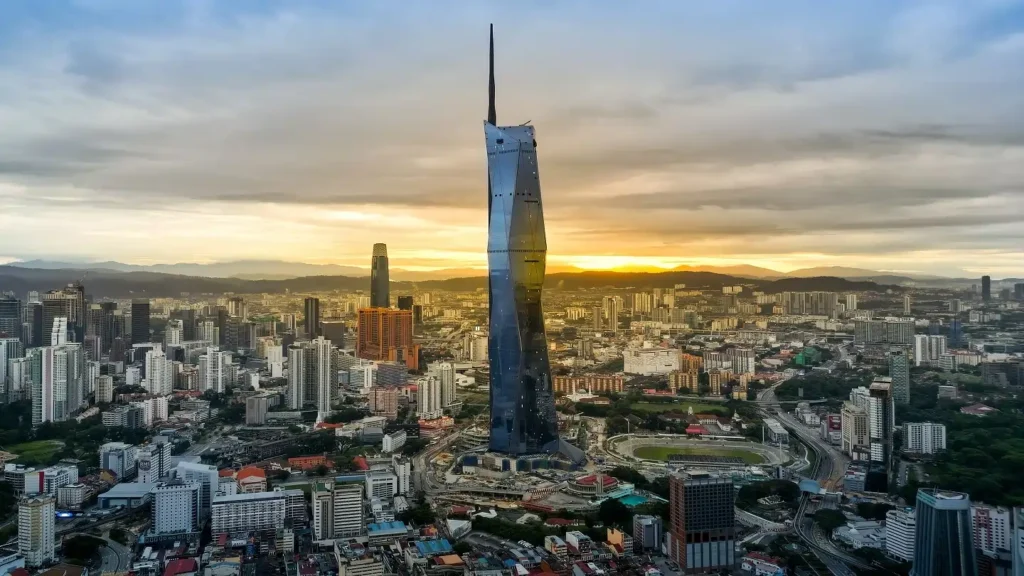
The world’s second-tallest building is Malaysia’s pride—Merdeka 118, standing at 2,227 feet (679 meters). Its name, “Merdeka,” means independence, honoring Malaysia’s historic declaration of freedom.
Height & Basic Data
- Height: 679 m / 2,227 ft
- Floors: 118
- Use: Mixed-use (hotel, offices, sky deck)
- Completed: 2023
Architectural Inspiration
The angular, crystalline façade is inspired by traditional Malaysian arts and craftsmanship. The structure reflects identity, just like the Petronas Towers once did.
Engineering Innovations
Merdeka 118 incorporates structural systems designed to stabilize the building against strong tropical winds. Engineers used:
- Mega-frame steel structures
- Diagonal bracing systems
- Advanced core walls
These features ensure its ability to stand tall in Southeast Asia’s dynamic climate.
Cultural & Economic Impact
The building revitalizes central Kuala Lumpur, serving as a new business axis and tourism magnet. Its sky deck—one of the tallest in the world—offers a unique panoramic view.
Key Takeaway
Merdeka 118 isn’t just tall—it is a national symbol of identity, craftsmanship, and the future Malaysia envisions.
Read Also: Top 5 Most Polluted Rivers in the World & What’s Killing Them
3. Shanghai Tower — Shanghai, China
“A tower that twists with the wind instead of fighting it.”
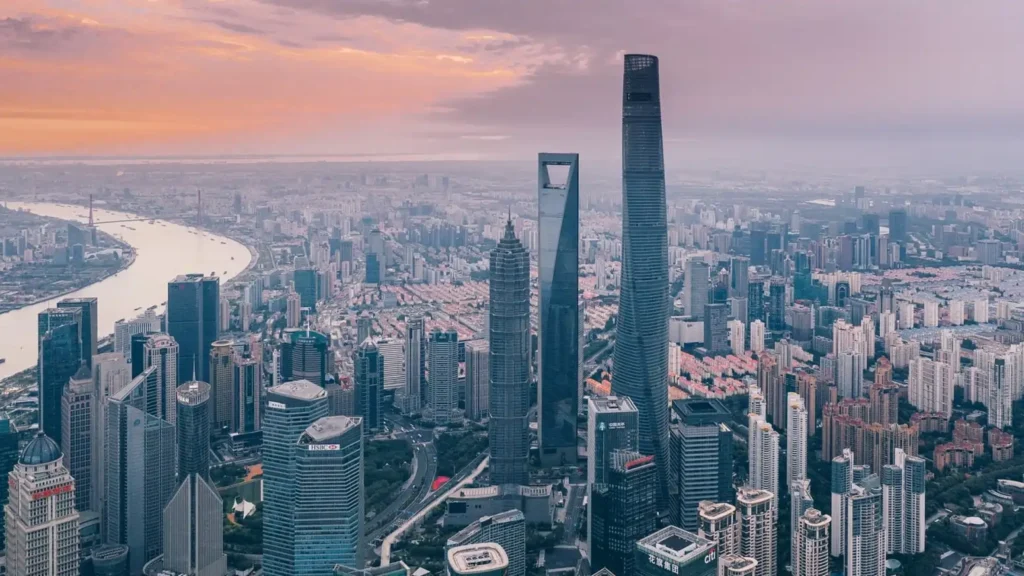
Ranked third among the tallest buildings in the world, the Shanghai Tower rises to an impressive 2,073 feet (632 meters). When we explore modern skyscrapers, this one stands out for how gracefully it solves one of the biggest engineering challenges—wind.
Height & Structural Data
- Height: 632 m / 2,073 ft
- Floors: 128
- Use: Offices, hotel, retail, observation
- Completed: 2015
Why Shanghai Tower Twists
Its iconic spiral design reduces wind loads by up to 24%, a major reason the building is stable despite Shanghai’s typhoon-prone climate. Instead of resisting the wind with brute force, engineers designed it to “flow” with natural forces.
Engineering & Sustainability Features
- Double-skin façade that reduces heating & cooling demands
- Vertical-axis wind turbines integrated into the crown
- High-speed elevators reaching 46 mph
- Green building certifications in energy and water efficiency
The double-skin glass envelope creates a thermal buffer zone, lowering energy consumption by a significant margin.
Cultural Relevance
The building symbolizes China’s rapid urban growth and its commitment to environmentally conscious skyscrapers. It also completes the famous trio: Jin Mao Tower → Shanghai World Financial Center → Shanghai Tower.
Key Takeaway
Shanghai Tower shows how the tallest towers blend elegance, sustainability, and advanced wind engineering into a single fluid form.
Read Also: 10 Most Dangerous Highways in the US – What Makes Them So Deadly?
4. Abraj Al-Bait Clock Tower — Mecca, Saudi Arabia
“A monumental structure built to guide millions.”
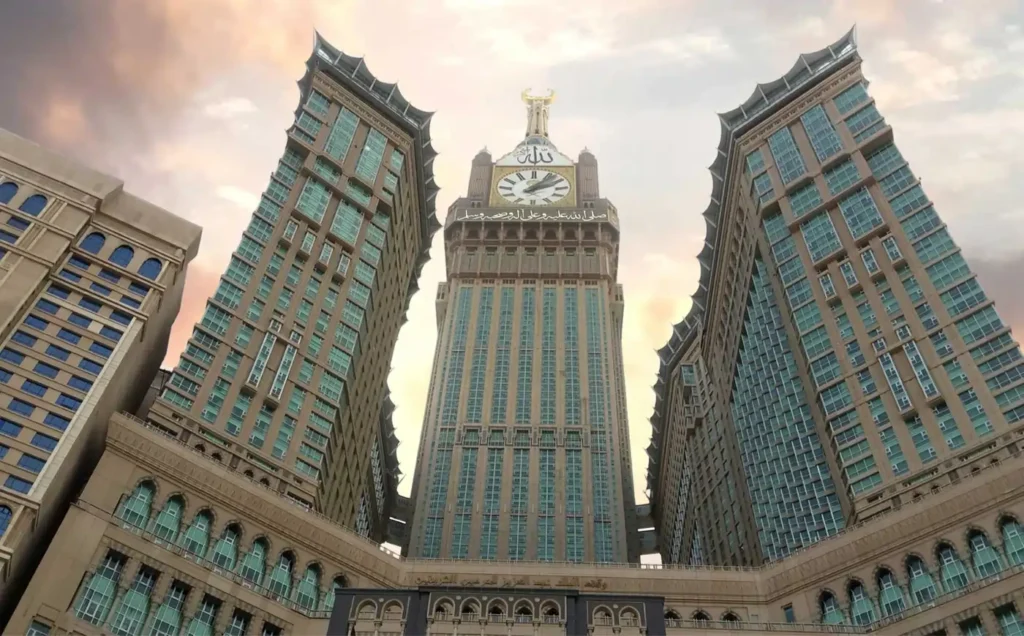
The Abraj Al-Bait Clock Tower ranks fourth among the tallest buildings in the world, rising 1,972 feet (601 meters) above the sacred city of Mecca. This supertall tower serves a purpose unlike any other on the list—it supports millions of pilgrimage visitors annually.
Height & Architectural Facts
- Height: 601 m / 1,972 ft
- Floors: 120
- Use: Hotel, residential, museum, prayer halls
- Completed: 2012
The Iconic Clock Feature
The tower’s clock face is the largest in the world, measuring 141 feet (43 meters) in diameter. Its illumination makes the time visible from nearly 16 miles away.
Structural Characteristics
- Massive reinforced concrete core for stability
- Islamic architectural design elements
- Heavy façade cladding to withstand heat
- Advanced crowd-flow planning for pilgrim seasons
Cultural & Religious Significance
Located beside the Masjid al-Haram, it overlooks one of the holiest sites in Islam. It’s not just another entry among the world’s skyscrapers—it’s a cultural landmark.
Key Takeaway
The Abraj Al-Bait complex proves that some of the tallest towers in history serve a spiritual purpose just as much as a structural one.
Read Also: Desert Food Web: Uncover the Secrets of Life in Extreme Environments
5. Ping An Finance Centre — Shenzhen, China
“A vertical symbol of China’s financial rise.”
Ranked fifth among the tallest buildings in the world, the Ping An Finance Centre stands at 1,965 feet (599 meters). Located in Shenzhen—one of the world’s fastest-growing tech hubs—the tower acts as a center for global finance, commerce, and economic influence.
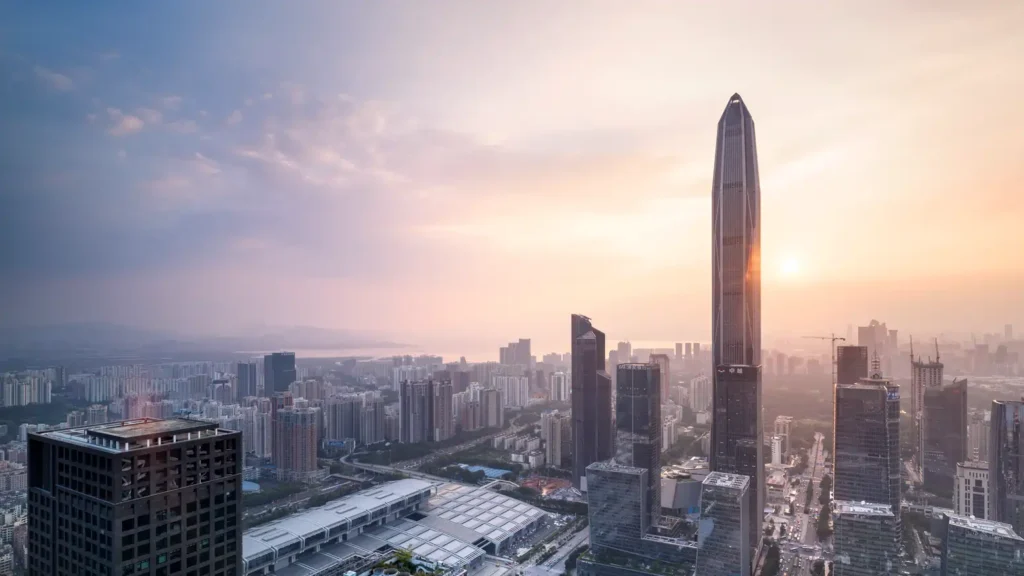
Height & Structural Summary
- Height: 599 m / 1,965 ft
- Floors: 115
- Use: Office, retail, observation deck
- Completed: 2017
Architectural Identity
The building’s sleek, tapering design creates a “needle-like” profile that minimizes drag and improves aerodynamics. It’s wrapped in stainless steel—one of the highest-grade claddings ever used on a supertall tower.
Engineering Notes
- Mega-frame construction enhances vertical strength
- High-grade steel panels reduce corrosion in Shenzhen’s coastal climate
- Tall, narrow profile minimizes wind pressure
- One of the highest observation decks in Asia
Cultural Impact
Shenzhen has evolved from a fishing village into a global powerhouse. The Ping An Finance Centre represents this transformation—symbolizing ambition, economic growth, and innovation.
Key Takeaway
Among the tallest towers globally, Ping An Finance Centre highlights how height can amplify a city’s presence on the international stage.
Read Also: 10 Multinational Festivals Celebrated in December: Vibrant Global Traditions
6. Lotte World Tower — Seoul, South Korea
“Where Korean design tradition meets futuristic engineering.”
The Lotte World Tower, ranking sixth among the tallest buildings in the world, rises 1,823 feet (555 meters) above Seoul. It blends traditional Korean aesthetics with next-generation structural strength.
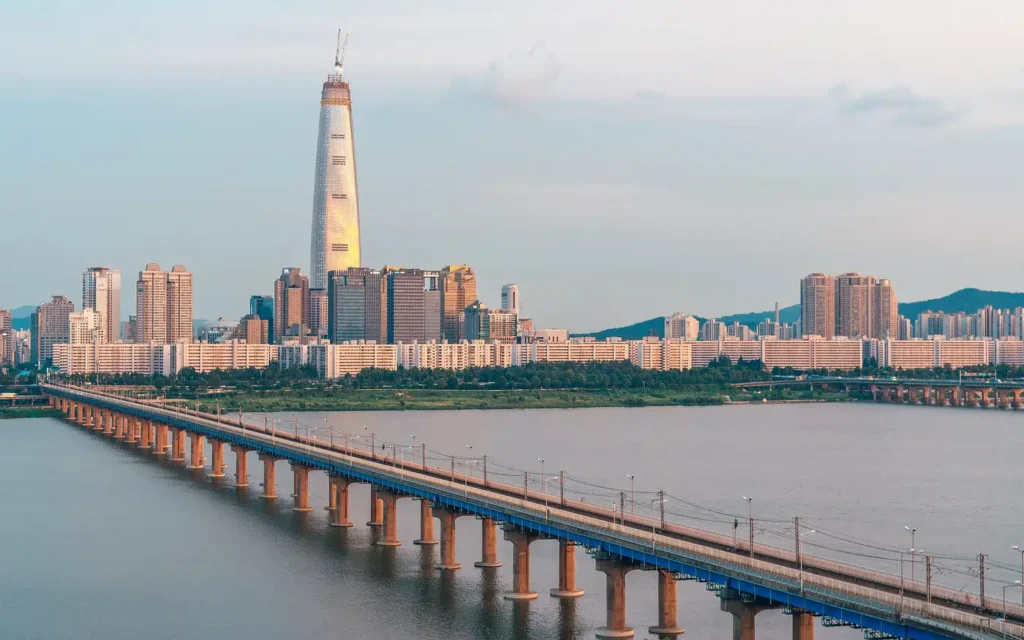
Height & Core Information
- Height: 555 m / 1,823 ft
- Floors: 123
- Use: Hotel, offices, residential, entertainment
- Completed: 2016
Design Influence
The building’s elegant taper is inspired by Korean ceramic forms—smooth, curving, and organic. This design reduces wind stress and improves stability against seismic activities.
Engineering Highlights
- Composite core walls
- Sloped, aerodynamic façade
- Special vibration control systems
- Reinforced concrete frame for earthquake protection
Visitor Experience
The tower’s sky deck offers one of the highest glass-floor views in the world—an attraction beloved by both locals and tourists visiting East Asia.
Key Takeaway
Lotte World Tower demonstrates how cultural identity, engineering science, and modern architecture converge to create a timeless urban symbol.
Read Also: 15 Loneliest Places on Earth: The Most Remote & Isolated Destinations for You
Engineering Science Behind Supertall Towers
“How do the tallest buildings in the world stay standing?”
When we dive into the engineering behind the tallest buildings in the world, we discover that designing a tower over 1,500 feet tall is far more complex than simply stacking steel higher. Three primary factors define stability:
1. Wind Load Engineering
Wind is the greatest threat to height. Engineers use methods such as:
- Tapered or twisted shapes (Shanghai Tower)
- Tiered setbacks (Burj Khalifa)
- Aerodynamic smoothing
- Perforations to allow pressure escape
By reducing vortex shedding, they minimize sway and increase comfort.
Read Also: Wind Energy: 3 Reasons to Ditch Fossil Fuels to Fight Climate Change
2. Ultra-Deep Foundations
Super-tall structures require foundations that go:
- 150–300 feet deep
- Into bedrock or stabilized soil layers
- Supported by reinforced concrete piles
Foundations provide lateral stability—especially in seismic regions.
3. High-Strength Materials
These towers use:
- High-performance concrete
- Structural steel mega-frames
- Composite core walls
Modern materials allow more height with less weight.
4. Elevator Technology
Tall buildings aren’t just about structure—they require advanced human mobility systems:
- Double-deck elevators
- Magnetic-levitation models
- Pressure-controlled cabins for comfort
- Zonal elevator grouping to reduce travel time
Without elevator innovation, rising to such heights wouldn’t be feasible.
5. Sustainability Integration
Newer skyscrapers embed:
- Solar cladding
- Rainwater harvesting
- Thermal insulation layers
- Smart energy monitoring
This ensures that today’s tallest towers are far more energy-efficient than earlier megastructures.
Structural Systems Used in the 6 Tallest Buildings in the World
| Building | Primary Structural System | Wind Strategy | Material Composition |
|---|---|---|---|
| Burj Khalifa | Buttressed core | Tiered setbacks | Concrete + steel |
| Merdeka 118 | Mega-frame + core | Diagonal bracing | Steel + concrete |
| Shanghai Tower | Core + mega-columns | Twisted façade | Structural steel |
| Abraj Al-Bait | Reinforced core | Heavy mass + geometry | Concrete |
| Ping An Finance Centre | Steel mega-frame | Narrow profile | Stainless steel |
| Lotte World Tower | Tapered shape | Sloped façade | Composite materials |
This table helps us understand what makes these supertall structures stable, habitable, and iconic.
Why Do Countries Compete to Build the Tallest Towers?
“Height is more than engineering — it’s strategy.”
When we look at the tallest buildings in the world, a pattern emerges. Nations don’t build taller solely because they can. They do it because height has meaning.
Here’s why countries keep competing:
1. National Branding
Tall towers redefine a nation’s global identity. They become instant markers on the world map—powerful symbols of modernization.
2. Economic Power & Global Business Hubs
Skyscrapers attract:
- International investors
- Tourism revenue
- Global corporations
- Cultural attention
Urban economies expand vertically when land becomes limited.
Read Also: 10 Best Places to Visit in Europe This Winter
3. Urban Density Solutions
In fast-growing cities (Shanghai, Seoul, Dubai), vertical development is essential for managing populations and conserving land.
4. Technological Showcasing
Super-tall structures demonstrate a country’s engineering capabilities, materials science advancements, and architectural leadership.
5. Cultural Legacy
Just like ancient civilizations built monuments, today’s societies build skyscrapers. Height becomes a modern expression of ambition.
Read Also: 10 Most Polluted Countries in the World in 2025
Conclusion
When we examine the tallest buildings in the world, we’re not merely looking at steel, concrete, and glass rising into the sky—we’re witnessing human ambition in its purest form. Each tower on this list represents an entire nation’s story: its culture, economy, engineering mastery, and dreams for the future.
From the desert skyline of Dubai to the bustling streets of Shanghai and Seoul, these six towers show us how innovation continues to reshape the modern world. They stand as proof that we’re a species that is always reaching higher, always pushing limits, and always searching for the next horizon.
Ultimately, these structures changed everything—how cities function, how architects plan, how engineers think, and how we imagine the future of urban living. They’re not just tall. They’re milestones in human progress.
FAQs
1. What is the tallest building in the world today?
The Burj Khalifa in Dubai remains the tallest building in the world, rising 2,717 feet with 163 floors and advanced wind-control engineering.
2. Why are so many supertall buildings located in Asia?
Rapid economic expansion, urban population growth, and government investment make Asia the leading region for skyscrapers and vertical development.
3. How do architects ensure the tallest towers can withstand wind?
They use aerodynamic shapes, tapered designs, mega-frames, and structural cores that reduce wind pressure and control building sway.
4. Are future towers expected to surpass today’s tallest buildings?
Yes, several planned projects—including the Jeddah Tower—aim to exceed current heights through new materials and innovative engineering systems.
5. What makes skyscrapers important in modern urban planning?
They maximize land use, support dense populations, stimulate business growth, and create iconic landmarks that shape global city identities.