
Animal migration has fascinated humanity for centuries. From the earliest explorers to modern biologists, we’ve always marveled at these massive, coordinated journeys that cross continents, oceans, and entire hemispheres. Today, when we talk about the largest migrations of animals, we’re talking about movements so vast they reshape ecosystems, redirect predators, and even influence human culture.
But why do millions of creatures travel thousands of miles with such perfect timing? How do they know when to leave and where to go? And what can these epic journeys tell us about climate, food chains, and our planet’s past?
As we explore the largest migrations of animals, we’ll see how these mass movements demonstrate ancient survival patterns shaped by shifting seasons, competition, and the food search. According to the U.S. National Park Service, some species travel more than 10,000 miles annually in a continuous loop, following patterns they’ve encoded over millions of years.
This journey through the world’s largest migrations of animals invites us to step into the rhythm of nature — one that has guided life long before humans appeared.
Read Also: Importance of Food Chains In The Energy Flow In The Ecosystem
What Is Animal Migration?
At its core, animal migration is a repeated, large-scale movement from one habitat to another. These trips follow predictable routes influenced by temperature, food availability, breeding seasons, and changing daylight.
Scientists categorize animal migration into seasonal migration, altitudinal migration, longitudinal migration, and loop migration. These patterns help animals survive by allowing them to take advantage of distant food sources, safer breeding grounds, and favorable climates.
In the study of the largest migrations of animals, one theme appears across species: movement is not optional — it’s essential. Whether it’s birds crossing the Pacific or mammals moving across the Serengeti, migration is an ancient strategy encoded into biology.
Read Also: Why is Food Web Important? Types of Food web
Why Animals Migrate: 5 Core Drivers
1. Search for Food
Seasonal shortages push species to leave their usual habitats. Herd animals follow rainfall, while marine species track plankton blooms.
2. Breeding Cycles
Many species migrate to specific locations where mating conditions improve survival rates for their young.
3. Climate & Temperature Patterns
When the weather becomes harsh, species depend on seasonal migration to reach warmer or cooler areas.
4. Avoiding Predators
Some species move in massive groups to reduce individual risk — a survival strategy seen in nearly every largest migration of animals.
5. Water Availability
In drought-prone regions, animals track rivers, wetlands, and seasonal floodplains.
Read Also: Endangered Species in Florida – 10 Extremely Vulnerable Lives
10 Most Astonishing Mass Movements in Nature
Below, we explore the largest, most dramatic, and scientifically significant migrations on Earth. Each one illustrates how animal migration shapes global ecosystems.
1. The Great Wildebeest Migration (East Africa)
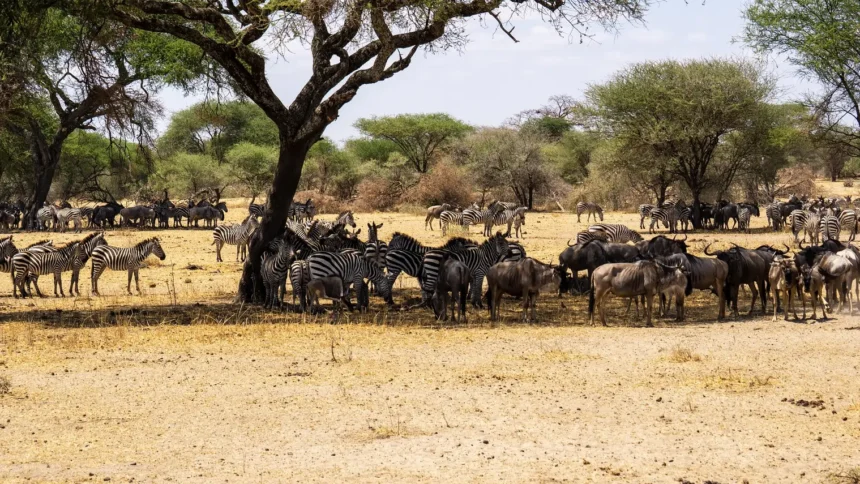
The iconic East African wildebeest migration involves 1.3–1.5 million wildebeest, along with zebras and gazelles. This is often considered the largest migration of animals on land. Every year, these herds travel up to 1,800 miles, circling the Serengeti-Mara ecosystem in search of fresh grazing grounds.
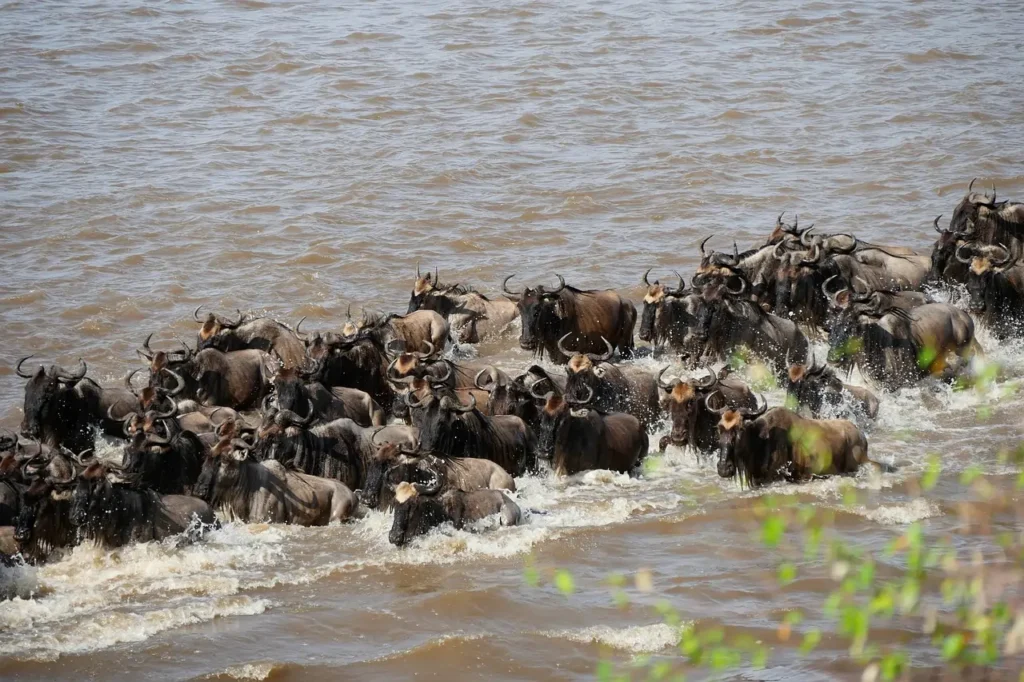
The dramatic river crossings, especially at the Mara River, are among the most photographed and studied wildlife events in the world. Crocodiles, big cats, drought, and storms make this an epic display of survival.
Read Also: Unveiling the Intricate Grassland Food Web: 5 Astonishing Facts You Must Know
2. Arctic Caribou Migration (North America)
Covering up to 3,000 miles, the Arctic caribou migration is one of the longest terrestrial migrations ever recorded. Entire populations move between their winter forests and summer tundra breeding grounds.
In Alaska and northern Canada, local communities have historically depended on this seasonal migration for cultural and economic survival. Modern research shows that caribou navigate using a combination of wind patterns, olfactory cues, and possibly the Earth’s magnetic field.
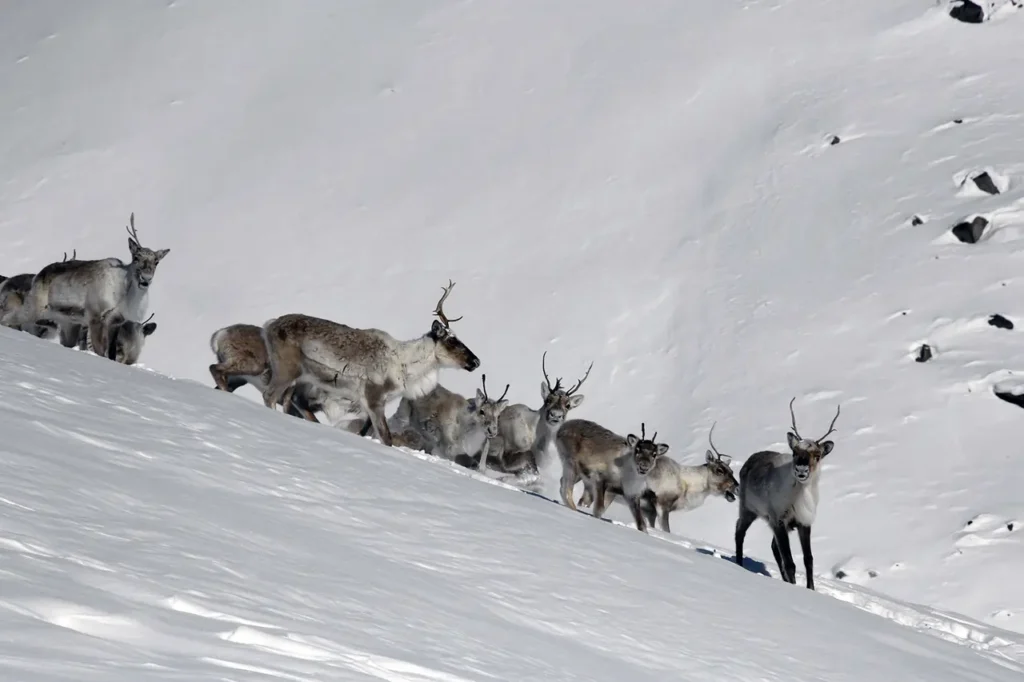
This massive movement is often listed among the world’s largest migrations of animals, because the herds can number more than 300,000 individuals.
Read Also: Arctic Food Web: Deadly Predators and the Surprising Secrets of Icy Survival
3. Monarch Butterfly Migration (North America)
The monarch butterfly’s multigenerational journey is one of nature’s finest mysteries. These insects travel up to 4,800 miles from the United States and Canada to the oyamel fir forests of central Mexico.
What makes this unique is that no single butterfly completes the full round trip. Instead, several generations work together, each continuing the path inherited from the previous one.
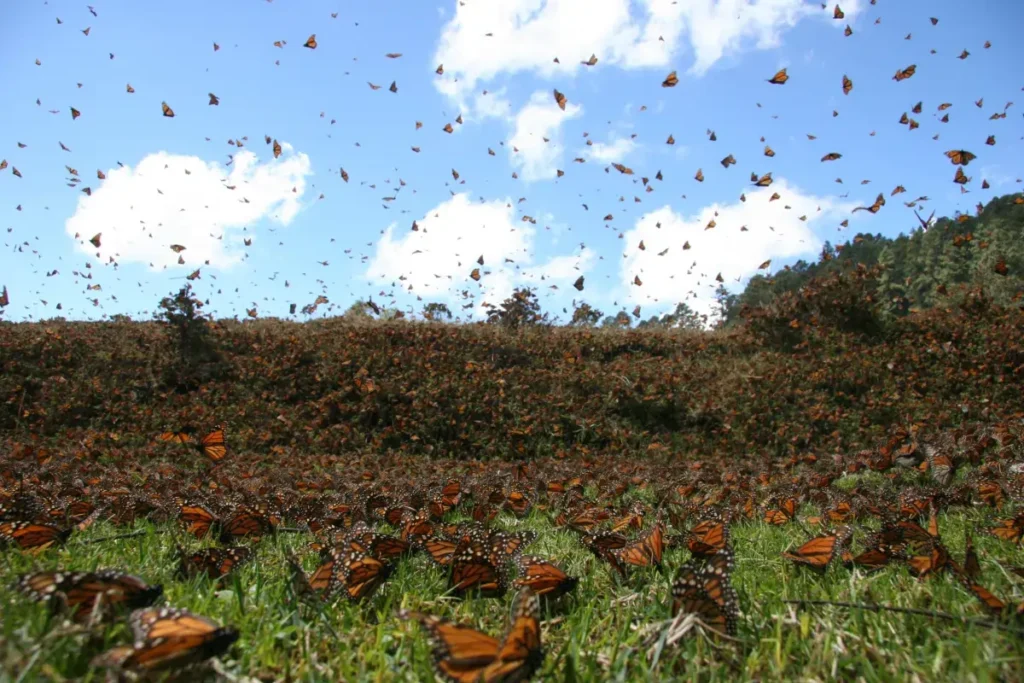
Researchers still don’t fully understand how monarchs maintain such precise navigation — but they contribute significantly to the largest migrations of animals ever observed in the insect world.
4. The Sardine Run (South Africa)
Often called the “Blue Serengeti,” the sardine run is one of the most visually intense marine events on Earth. Every winter, billions of sardines migrate along South Africa’s east coast in dense, shimmering formations that stretch over 4 miles long and nearly 100 feet deep.
This is the world’s most dramatic underwater animal migration. The movement attracts thousands of predators — sharks, Cape gannets, dolphins, seals, and even humpback whales. The spectacle is so massive that it’s visible from the air.
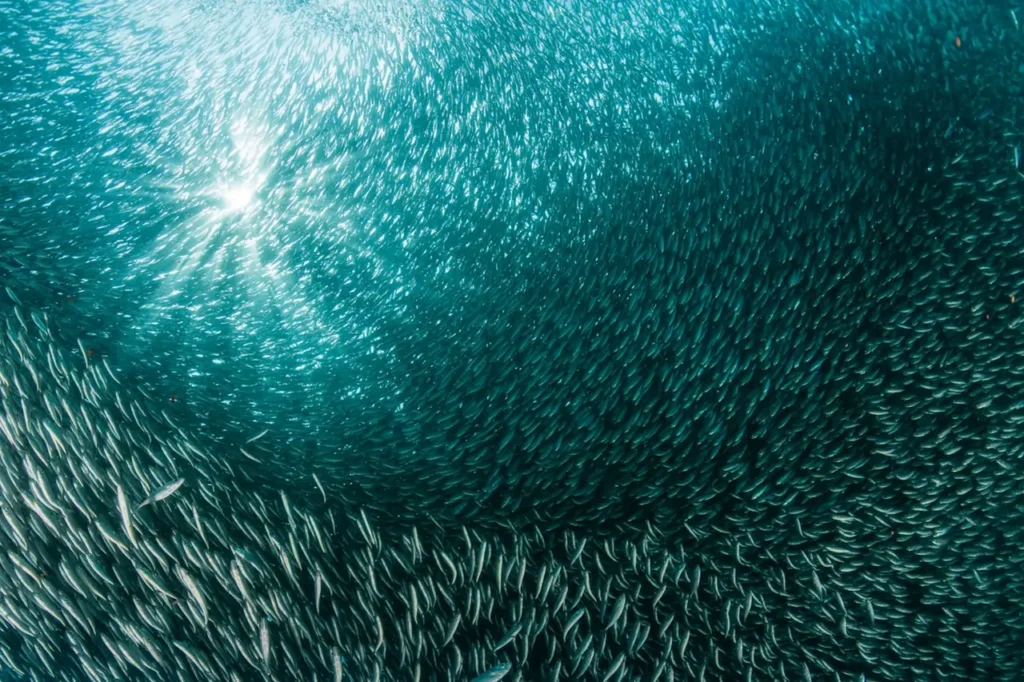
Scientists believe temperature shifts and plankton availability drive this seasonal migration. The sardine run is frequently included in discussions about the largest migrations of animals because of the sheer biomass involved.
Read Also: 3 Differences Between Crocodile Alligator and Gharial
5. Humpback Whale Pacific Migration
Humpback whales embark on one of the longest mammal migrations on the planet — a 16,000-mile round trip across the Pacific.
Every year, they travel between nutrient-rich Arctic feeding grounds and the warm tropical waters of Hawaii, Mexico, and Central America, where they give birth.
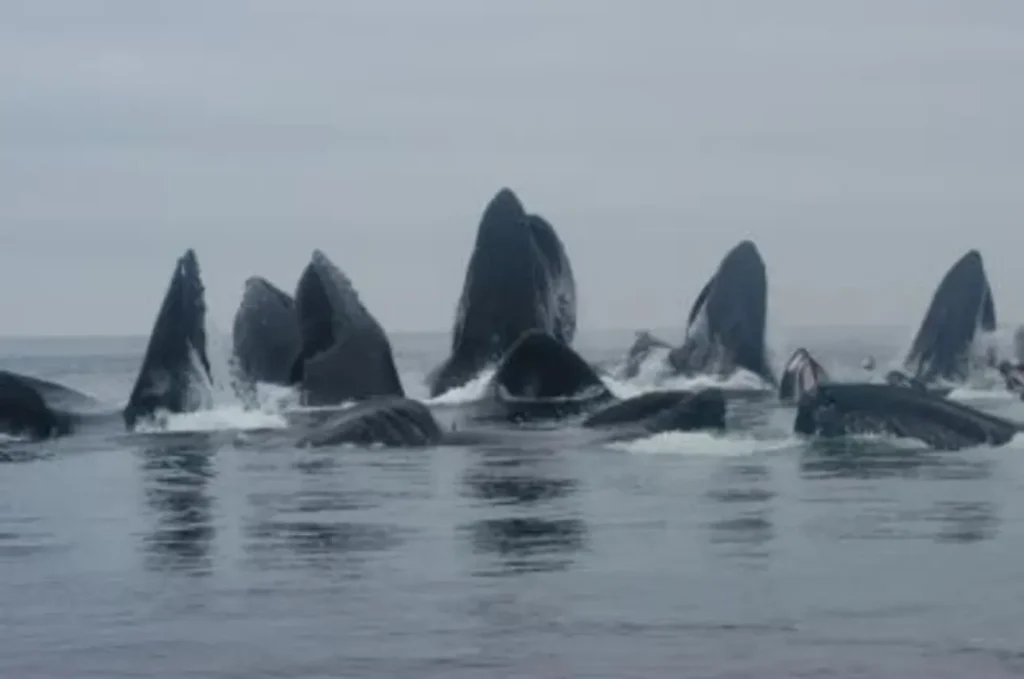
This migration showcases deep biological programming: whales rely on memory, star navigation, ocean currents, and sound cues. Entire populations follow the same ancient routes, making this event part of the largest migrations of animals ever tracked in marine ecosystems.
For coastal communities in the United States, especially Alaska and Hawaii, the arrival of humpback whales is a celebrated seasonal moment that blends culture, ecology, and tourism.
Read Also: Shocking Discovery: Humpback Whales Homosexuality Caught on Camera for the First Time
6. Christmas Island Red Crab Migration
On Christmas Island in the Indian Ocean, 50 million red crabs march from forests to the sea in one of the world’s most unusual terrestrial migrations.
Triggered by rainfall and the lunar cycle, this event transforms the island’s landscape. Roads close, bridges lift, and entire regions turn bright red as crabs cross in a synchronized wave.
This seasonal migration is essential for breeding. Once the crabs reach the coast, females release millions of eggs into the ocean, where larvae develop before returning inland.
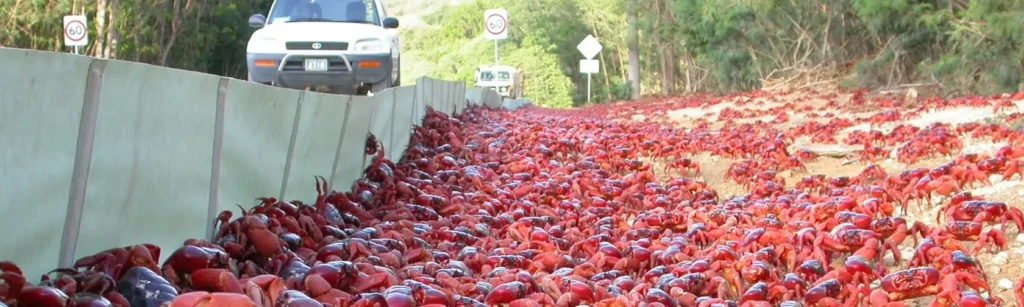
Though smaller in distance, the number of individuals involved makes this part of the largest migrations of animals in sheer density.
Read Also: 12 Most Unique Islands in the World: Don’t Forget to Keep in Your Bucket List
7. Kasanka Bat Migration (Zambia)
The African straw-colored fruit bat migration in Kasanka National Park is the largest mammal migration in the world by population.
Every November, over 10 million fruit bats gather in a tiny patch of swamp forest. They arrive to feast on ripe fruits and return to their home regions weeks later.
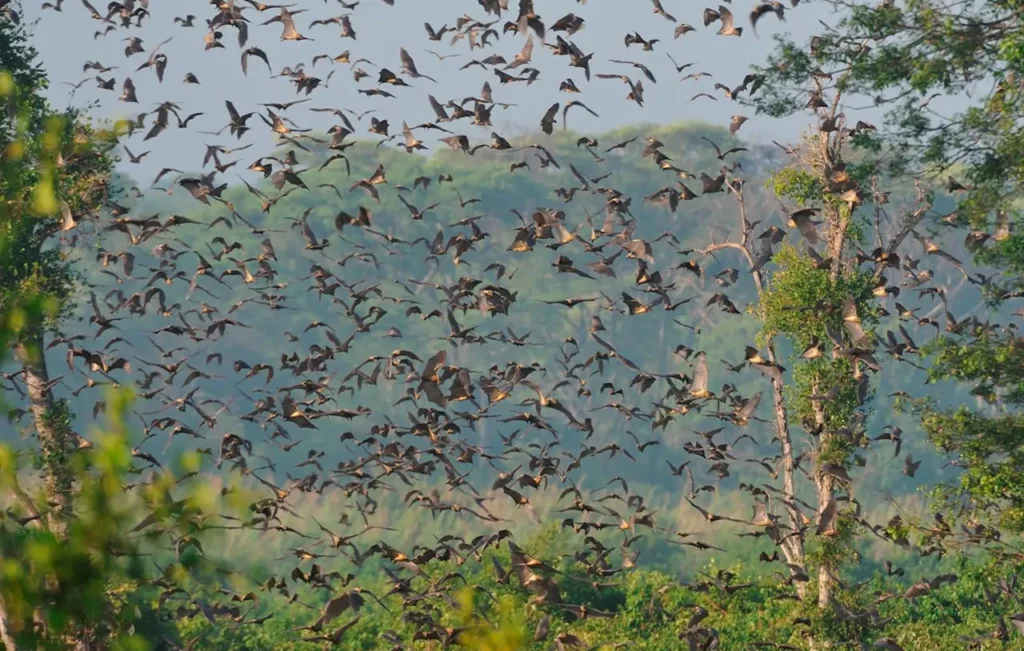
Scientists still study how these bats navigate and communicate during this dense animal migration. The swarm is so large that it darkens the sky at dusk, creating a phenomenon often referenced when analyzing the largest migrations of animals spread across global ecosystems.
Read Also: Animals on the Brink: Updated Endangered Species List 2025
8. Bar-Tailed Godwit Migration (Alaska to New Zealand)
The bar-tailed godwit holds one of the most astonishing records on the planet: the longest nonstop flight of any bird. Individual godwits travel 11,000 miles without landing, crossing the Pacific Ocean in a single continuous push.
These birds rely on fat reserves, wind patterns, and precision navigation. Their journey represents an extraordinary example of animal migration, showcasing endurance unmatched in the natural world.
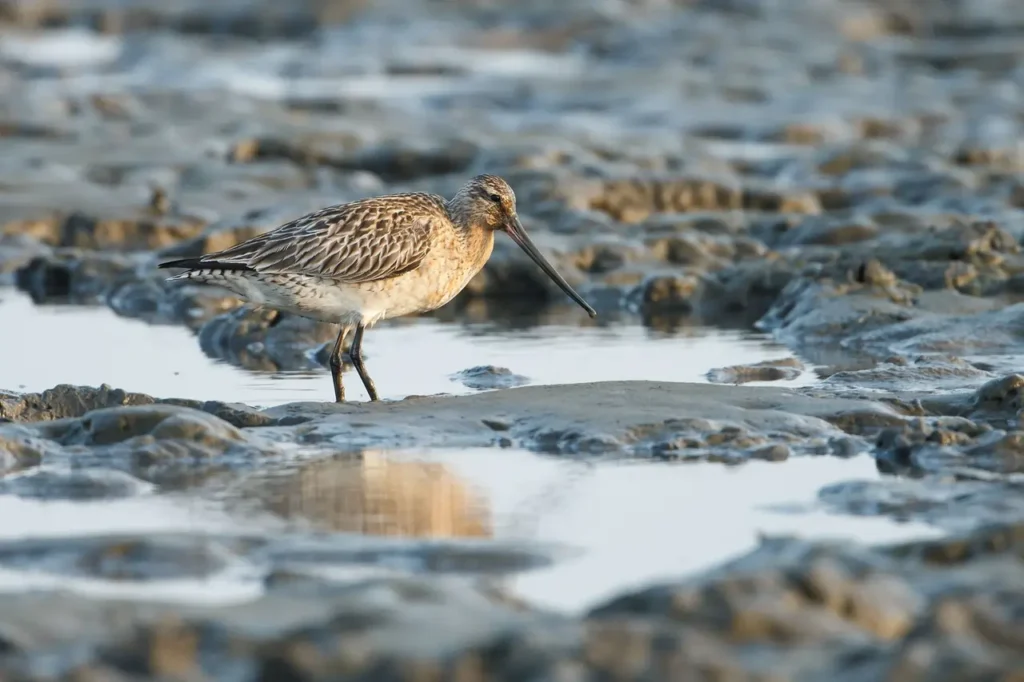
For researchers—and anyone fascinated by the largest migrations of animals—the godwit’s flight is a blueprint for understanding avian physiology, energy storage, and celestial navigation.
Read Also: 10 Deadliest Insects Found in North America – Ranked by Danger & Impact
9. Desert Locust Swarm Migration (Africa & Middle East)
Locust migrations aren’t just natural events—they’re ecological powerhouses capable of reshaping landscapes. Swarms can reach 200 billion individuals, stretching over 460 square miles.
These migrations follow rainfall patterns and shifts in vegetation. When food becomes abundant, locusts undergo a physical transformation called “gregarization,” forming vast swarms that travel up to 93 miles per day.
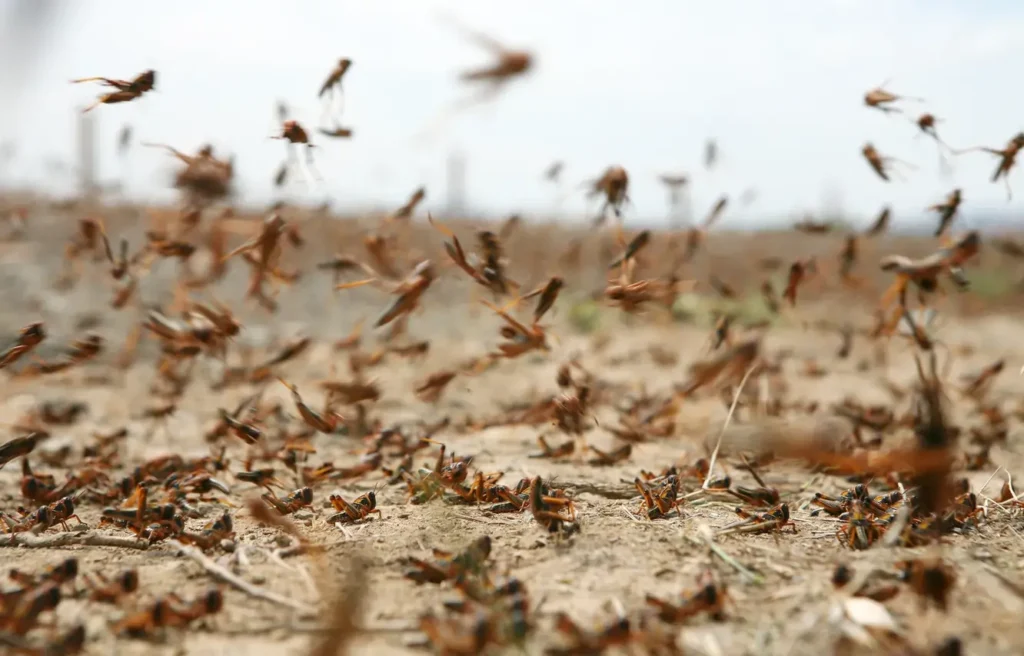
Because of the swarm’s size and movement speed, this phenomenon represents one of the largest migrations of animals in terms of population density and ecological impact.
Read Also: Do Plants Feel Pain? 7 Shocking Truths About Plant Response
10. Green Sea Turtle Nesting Migration
Green sea turtles migrate thousands of miles between feeding grounds and nesting beaches, often returning to the exact spot where they were born.
Studies show they use magnetic imprinting—an internal “map”—to find these beaches. This seasonal migration is essential for species survival and supports entire marine ecosystems.
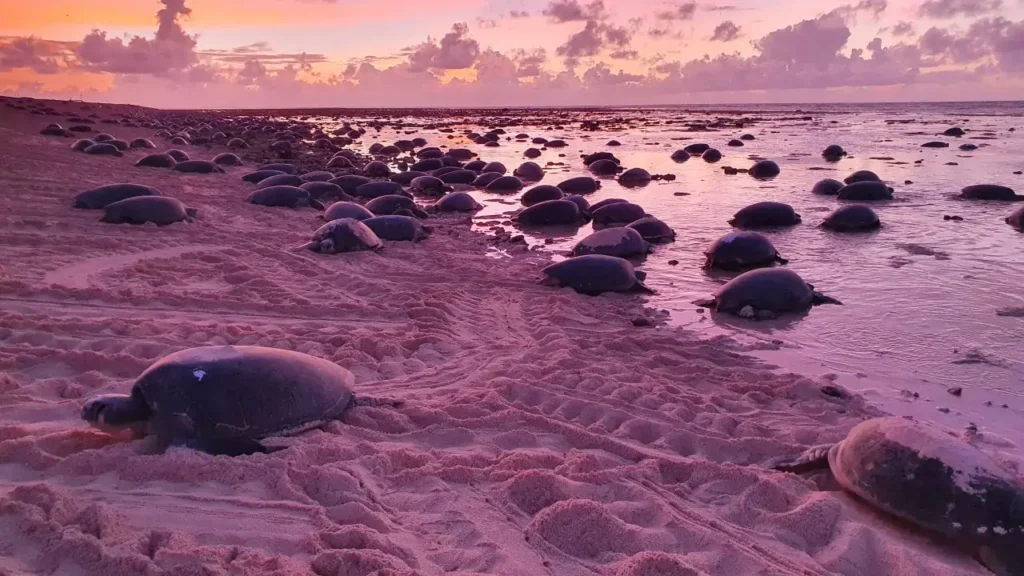
As global warming alters coastlines and sea levels, conservationists study this event closely. It remains a central example of the largest migrations of animals unfolding across the world’s oceans.
Read Also: The Reality of Rising Sea Levels and How It Affects Us
Table 1: 10 Largest Migrations of Animals
| Sl. No. | Species / Event | Region | Distance / Scale | Migration Type | Peak Numbers | Primary Drivers | Navigation Method | Unique Feature |
|---|---|---|---|---|---|---|---|---|
| 1 | Great Wildebeest Migration | Tanzania & Kenya | ~1,800 miles annually | Land | 1.3–1.5 million wildebeest | Food availability, rainfall pattern | Visual memory, landscape cues | Most dramatic river crossings on Earth |
| 2 | Arctic Caribou Migration | Alaska & Northern Canada | Up to 3,000 miles | Land | 300,000+ caribou | Breeding, food supply | Wind direction, scent cues, magnetic field | Longest land mammal migration |
| 3 | Monarch Butterfly Migration | USA → Mexico | 4,800 miles (multi-generational) | Air | Millions | Temperature shifts, overwintering needs | Sun compass, magnetic field | Entire journey completed by multiple generations |
| 4 | Sardine Run | South Africa | Biomass migration along 700+ miles of coastline | Marine | Billions of sardines | Water temperature, plankton abundance | Water temperature tracking | Largest coordinated marine predator event |
| 5 | Humpback Whale Migration | Arctic → Pacific Tropics | ~16,000-mile round trip | Marine | Tens of thousands | Breeding, warm-water calving | Star navigation, memory | Longest mammal migration by distance |
| 6 | Christmas Island Red Crab Migration | Christmas Island (Indian Ocean) | Island-scale journey | Land | ~50 million crabs | Breeding, rainfall cycles | Moisture cues, lunar timing | Entire island turns red during migration |
| 7 | Kasanka Fruit Bat Migration | Zambia | Regional migration | Air | 10+ million bats | Seasonal fruit abundance | Olfactory cues, canopy signals | Largest mammal aggregation on the planet |
| 8 | Bar-Tailed Godwit Migration | Alaska → New Zealand | ~11,000 miles nonstop | Air | Tens of thousands | Breeding, seasonal climate change | Celestial navigation, magnetic map | Longest nonstop flight of any bird |
| 9 | Desert Locust Swarm Migration | Africa & Middle East | 50–500 miles per swarm shift; 90+ miles/day | Land/Air | Up to 200 billion | Rainfall, vegetation growth | Wind direction, thermal lift | Largest moving biomass on Earth |
| 10 | Green Sea Turtle Migration | Global Oceans | Thousands of miles | Marine | Millions over species range | Nesting, warm-water feeding grounds | Magnetic imprinting | Millions of species range |
How Animals Navigate During Migration
Migration is not guesswork — it’s a sophisticated combination of sensory biology, environmental signals, and evolutionary memory.
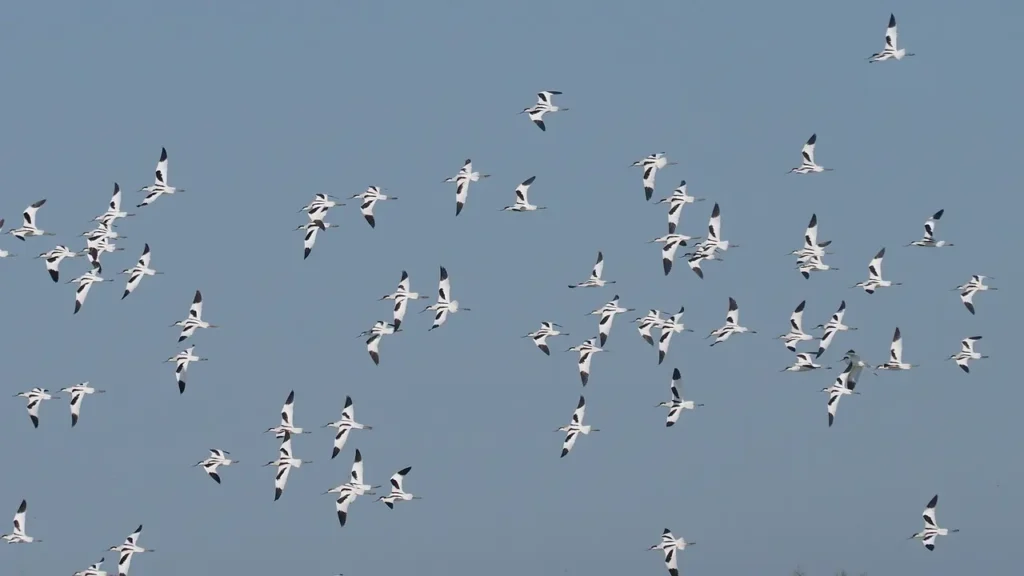
1. Magnetic Orientation
Some species perceive the Earth’s magnetic field through magnetoreceptors. Birds and sea turtles rely heavily on this skill.
2. Solar & Stellar Navigation
Monarch butterflies and certain birds use the position of the sun or stars as a natural compass.
3. Environmental Cues
Animals track water temperatures, wind direction, chemical smells, and even the angle of sunlight.
4. Inherited Pathways
Many migrations, forming the largest migrations of animals, operate on genetic memory. Species follow ancient paths used by generations before them.
Read Also: Top 10 Rarest Waterbirds Found in the World: Extraordinary Avian Wonders You’ve Never Seen
How Climate Change Is Altering Global Migration Patterns
Climate change is reshaping the timing, distance, and success rates of animal migration. From the warming Arctic to the bleaching Pacific, shifts in environmental conditions are impacting survival.
1. Earlier or Delayed Departures
Some birds now migrate too early or too late, disrupting food availability.
2. Altered Routes
Melting ice, droughts, and ocean temperature changes force animals to choose new or longer paths — affecting even the largest migrations of animals.
3. Habitat Loss
Breeding grounds, wetlands, and coral reefs are disappearing at accelerated rates.
4. Increased Mortality
Extreme weather events cause higher stress and energy requirements during seasonal migration.
Read Also: Examples of Coral Bleaching in 2024: A Global Crisis
Human Influence on Migration Routes
1. Habitat Fragmentation
Roads, fences, and expanding cities block traditional routes.
2. Artificial Lighting
Light pollution disrupts birds and insects that rely on celestial navigation.
3. Overfishing & Marine Noise
Fish migrations and whale movements suffer when ecosystems decline, or ocean noise interferes with communication.
4. Conservation Measures
Wildlife corridors, marine protected zones, and international treaties are helping preserve vital routes that support some of the largest migrations of animals across the planet.
Read Also: Battle Lines for the Blue: COP14 Guidelines Confront Devastating Fishing Practices
The Role of Conservation in Protecting Migratory Species
Protecting the largest migrations of animals requires long-term, science-driven conservation strategies that safeguard both species and the pathways they depend on. Because animal migration and seasonal migration cross borders, oceans, and entire continents, no single nation can preserve these routes alone.
Conservation success depends on cooperation, habitat protection, and policy enforcement designed to keep ancient migratory rhythms intact.
Wildlife corridors play a crucial role by connecting fragmented landscapes so species can move freely between feeding, breeding, and resting sites. These corridors help maintain genetic diversity, reduce mortality from roads or fences, and ensure that the largest migrations of animals continue without disruption.

Marine protected areas are equally vital, especially for species that rely on enormous ocean highways. By limiting fishing pressure, ship traffic, and noise pollution, these zones strengthen animal migration patterns and support healthier ecosystems.
International treaties, including the Convention on Migratory Species (CMS), unify nations under shared commitments to protect species that travel across borders. These agreements ensure that seasonal migration routes are preserved through collaborative monitoring, research, and habitat management.
Read Also: The Power of Biological Control of Pests – 3 Proven Natural Solutions
Major Steps to Conserve Migration Routes & Migratory Species
- Identify and map critical migration corridors across land, sea, and air
- Restore damaged habitats along major animal migration pathways
- Remove barriers such as fences, roads, and dam structures
- Expand marine protected areas along seasonal migration routes
- Implement cross-border monitoring programs and shared databases
- Enforce anti-poaching and anti-trafficking regulations
- Strengthen international cooperation through CMS and related treaties
- Mitigate climate impacts by preserving breeding and feeding zones
- Reduce artificial lighting that disrupts avian and insect navigation
- Promote community-based conservation and awareness initiatives
Read Also: Ocean Acidification: Unveiling the Hidden Crisis Threatening Marine Life
Key Takeaway
Across continents, oceans, and skies, the largest migrations of animals reflect an extraordinary system woven into the planet’s fabric. These global movements ensure survival, regulate biodiversity, and maintain natural balance. Every journey—whether undertaken by whales, birds, insects, or mammals—reveals how deeply all species depend on rhythm, environment, and inherited wisdom.
This interconnected dance of animal migration is not just a scientific topic; it is an ancient conversation between species and Earth’s changing seasons.
Conclusion
As we reflect on the largest migrations of animals, we find that each journey tells a story written across time. From monarch butterflies crossing countries to whales navigating oceans shaped by ancient memory, migration reveals the planet’s living heartbeat.
These spectacular movements connect ecosystems on a global scale. They feed predators, pollinate plants, fertilize soils, and shape weather patterns. They also remind us that our world is not static—it’s constantly shifting under the influence of seasonal migration, temperature, food cycles, and environmental change.
The challenge now is safeguarding these extraordinary migrations. Climate disruptions, habitat loss, pollution, and human development threaten many of the species we explored. By understanding these journeys, we take a step toward protecting them.
Because when the rhythm of migration falters, the balance of life falters with it.
FAQs
1. Why do animals migrate such long distances?
Animals migrate long distances to find food, suitable breeding grounds, and favorable climates.
2. How do scientists track large animal migrations?
Researchers use GPS tags, satellite imaging, aerial surveys, and long-term field monitoring.
3. Which migration is currently the largest on land?
The Serengeti wildebeest movement is considered the largest land migration globally.
4. Do all migrations happen every year?
Most migrations occur annually, though timing may shift with environmental changes.
5. How is climate change affecting global migration patterns?
Climate change disrupts timing, availability of food, routes, and habitat needed for migration success.