
“One person’s stone is another person’s treasure — especially when it falls from space.”
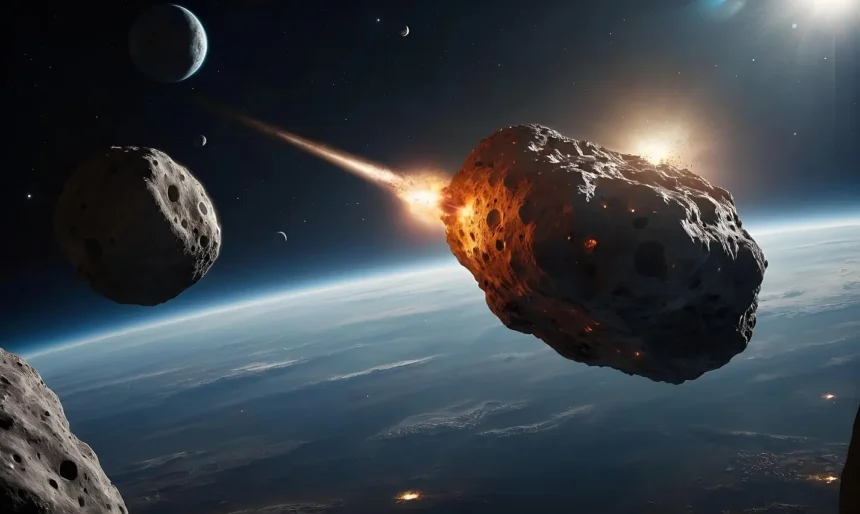
Space has always felt distant, mysterious, and untouchable. Yet pieces of it fall on our planet every single day. These space rocks don’t just land silently; they arrive carrying stories billions of years old, packed with minerals, metals, and scientific clues that help us understand where we came from. And in many cases, these space rocks are far more valuable than gold.
Every year, thousands of meteorites strike Earth. Most are small. Some are massive. A few contain rare space minerals that likely formed before the Earth itself existed. And occasionally, a space rock is so unique that it becomes headline news or fetches millions at auction. No wonder people often ask: What makes these cosmic fragments so special? Why do scientists and collectors race to study and acquire them?
In this article, we explore seven surprising facts about the hidden treasures falling from the sky — the strange, beautiful world of space rocks that continue to fascinate us.
What Exactly Are Space Rocks?
Before diving deeper, let’s revisit the basics. We all hear the words asteroid, meteor, and meteorite thrown around — but they’re not the same thing.
Table 1: The Three Main Types of Space Rocks
| Type | What It Is | Where It’s Located | What Happens to It |
|---|---|---|---|
| Asteroid | A rocky body orbiting the Sun | Mostly in the asteroid belt | A meteoroid that survives entry and lands on Earth |
| Meteoroid | A small fragment chipped off an asteroid | Space | Turns into a meteor when entering Earth’s atmosphere |
| Meteorite | Meteoroid that survives entry and lands on Earth | Earth’s surface | Becomes a collectible specimen or scientific sample |
We often refer to all three as space rocks, but meteorites are the ones we can physically hold, study, and analyze. Many contain rare space minerals, while others preserve organic molecules or traces of long-lost solar system environments.
Read Also: Rare Earth Elements (REE) | Facts, Uses, and Name of all 17 Rare Earth Elements
Types of Valuable Space Rocks
Understanding the different categories of valuable space rocks helps readers appreciate why certain meteorites command extraordinary prices. Each type carries its own story, composition, and scientific significance, making these rare space treasures some of the most fascinating objects ever found on Earth.
1. Pallasites
Pallasites are often considered the “holy grail” of valuable space rocks because of their stunning appearance and extreme rarity. These meteorites contain translucent olivine crystals locked inside a metallic matrix, creating a gem-like structure that dazzles both collectors and scientists.
As one of the most visually striking types of valuable space rocks, pallasites offer clues about the boundary between a planet’s metal core and rocky mantle, making them scientifically priceless and aesthetically irresistible.
2. Lunar Meteorites
Lunar meteorites are pieces of the Moon that were blasted into space by ancient impacts before eventually landing on Earth. As ultra-rare, valuable space rocks, they hold tremendous market value due to their origin, composition, and extreme scarcity.
Collectors, museums, and researchers compete fiercely for these fragments because they reveal details about lunar geology without requiring space missions. Their rarity alone makes lunar meteorites among the most sought-after, valuable space rocks ever discovered.
Read Also: Don’t Miss the Total Lunar Eclipse 2025: Nature’s Epic Light Show
3. Martian Meteorites
Martian meteorites are scientifically electrifying because they contain trapped gases identical to the Martian atmosphere. This makes them one of the most authenticated and prestigious categories of valuable space rocks. These meteorites help scientists study the Red Planet’s volcanic activity, climate history, and potential for past life.
Given their limited supply and astounding scientific value, Martian meteorites are among the most valuable space rocks in the global market.
4. Iron Meteorites
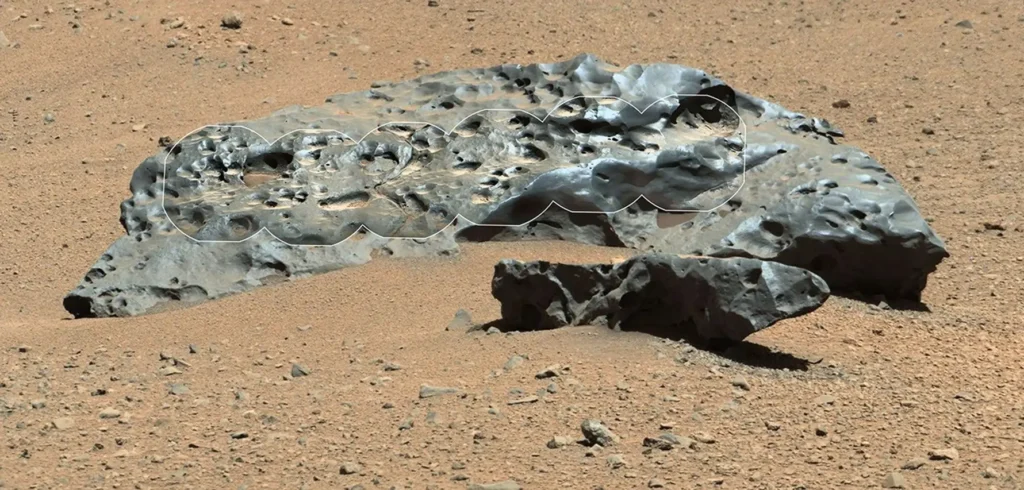
Iron meteorites, rich in nickel-iron alloys, represent the metallic cores of ancient planetary bodies. Their durability, striking Widmanstätten patterns, and high metal content make them popular in jewelry, art, and luxury collectibles.
As some of the most accessible yet still highly desirable, valuable space rocks, iron meteorites bridge the gap between scientific intrigue and aesthetic appeal. Their structure also helps researchers understand the early formation of planetary cores, adding to their overall significance.
Table 2: Quick Comparison of Valuable Space Rocks
| Type of Space Rock | Key Features | Rarity Level | Market Appeal |
|---|---|---|---|
| Pallasites | Olivine crystals in metal | Extremely rare | High for collectors & museums |
| Lunar Meteorites | Origin from the Moon | Ultra-rare | Very high, scientific & commercial |
| Martian Meteorites | Trapped Martian gases | Ultra-rare | Top-tier scientific demand |
| Iron Meteorites | Nickel–iron alloy, patterns | Moderately rare | High for jewelry & art |
Read Also: Detecting Life on Mars: A Breakthrough in Space Research
How to Identify a Valuable Meteorite
1. Physical Traits
When evaluating space rocks for authenticity, we look for features commonly found in genuine meteorites and rare space minerals. A real specimen often shows a dark fusion crust formed during atmospheric entry, noticeable magnetic pull due to iron-nickel metals, and regmaglypts—thumbprint-like depressions unique to cosmic travel. These traits help us separate ordinary stones from true space rocks.
2. Simple At-Home Tests
We can perform a few safe, basic tests to examine potential meteorites. A magnet test checks for strong attraction found in many space rocks, while a streak test on unglazed ceramic helps distinguish Earth rocks from pieces containing rare space minerals. Always handle unknown space rocks carefully to avoid contamination or damage.
Read Also: Earth’s Secret Titans: How Mantle Structures Are Redefining Geological History
3. Warning: Common Fakes
Many imitation meteorites circulate online, so we stay cautious when evaluating space rocks. Common fakes include furnace slag, industrial metal scraps, and magnetic Earth rocks lacking rare space minerals. Authentic meteorites rarely display bubbly surfaces or glittery crystals. Comparing suspected space rocks with verified specimens helps us avoid scams and misidentification.
Table 3: Quick Comparison
| Feature | Genuine Meteorites | Common Fakes |
|---|---|---|
| Magnetic Pull | Strong in many space rocks | Weak or inconsistent |
| Fusion Crust | Thin, dark, smooth | Often bubbly or glassy |
| Regmaglypts | Present on many iron meteorites | Absent |
| Streak Test | Typically dark | Often light or colorful |
7 Facts About The Space Rocks
1. Some Space Rocks Are Older Than Earth Itself
It sounds unbelievable at first, but it’s true: many space rocks drifting toward Earth today formed over 4.5 billion years ago — long before our planet solidified.
Meteorites known as chondrites are among the oldest materials we can touch. They carry preserved minerals from the early solar nebula — the original dust cloud that gave birth to everything in our cosmic neighborhood.

Why This Matters
- These ancient space rocks work like time capsules.
- They reveal how the Sun and planets formed.
- Some contain water-rich minerals that hint at how Earth got its oceans.
- Others harbor tiny grains of stardust older than the Sun.
That means when we hold certain meteorites, we’re literally holding the earliest solid matter ever created in our solar system.
2. Some Space Rocks Contain Rare Minerals Found Nowhere Else
Scientists frequently discover rare space minerals inside meteorites — minerals that don’t occur naturally on Earth because our planet’s pressure, temperature, and chemistry are different.
Table 4: Examples of Rare Space Minerals Found in Meteorites
| Rare Mineral | Found In | Why It’s Unique |
|---|---|---|
| Kamacite | Iron meteorites | Iron-nickel alloy rarely found on Earth |
| Schreibersite | Pallasite meteorites | Contains phosphorus important for early chemistry |
| Stishovite | Shocked meteorites | Dense form of quartz formed under extreme pressure |
| Oldhamite | Enstatite meteorites | Sulfide mineral extremely uncommon on Earth |
These rare space minerals tell us about environments Earth never experienced — such as the violent impacts that shaped early planetary systems.
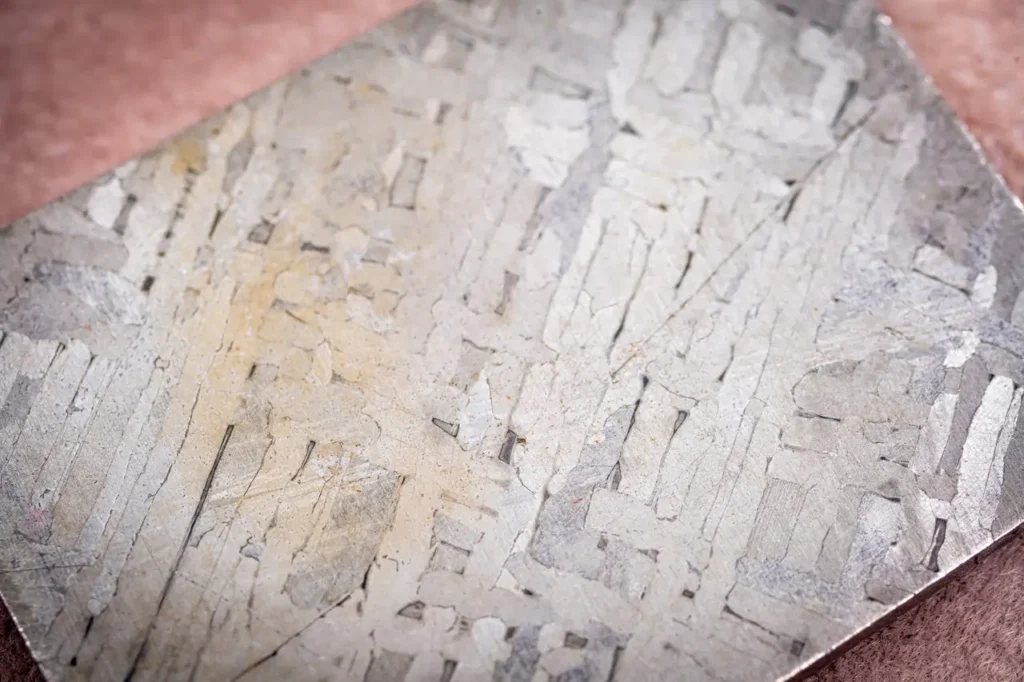
Some collectors pay premium prices for meteorites with unusual crystal structures or metallic patterns. The famous Widmanstätten pattern, for example, appears only in slowly cooled metallic space rocks forged deep within asteroids.
Read Also: Surprising Secrets: Lesser-known facts about planets and moons
3. Not All Meteorites Are Created Equal — Some Are Worth Millions
When we hear that a 3-pound space rock sold for over $50,000, it’s easy to think the value comes from its rarity alone. But the market is more complex.
Meteorites are generally divided into three categories:
Table 5: Types of Meteorites and Their Estimated Value Potential
| Meteorite Type | Composition | Scientific Value | Collector Value |
|---|---|---|---|
| Stony | Silicate minerals | High | Medium |
| Iron | Iron-nickel alloy | Medium | High |
| Stony-iron | Mix of metals and crystals | Very high | Very high |
Why Some Space Rocks Become Extremely Valuable
- Origin — Lunar and Martian meteorites are extremely rare.
- Aesthetics — Metallic meteorites with polished surfaces or crystal inclusions attract buyers.
- Size — Large fragments often fetch higher prices.
- Condition — Well-preserved fusion crust increases value.
- Scientific significance — Unique chemistry increases research demand.
When a meteorite is confirmed to have come from Mars or the Moon, its value skyrockets. Some have sold for hundreds of thousands due to their origin alone.
Read Also: Uncovering the Hidden Wonders: 7 Unique Planets in Our Solar System
4. Space Rocks Often Carry Organic Molecules and Water
This fact fascinates scientists the most: many space rocks contain complex carbon-based molecules, and some even contain trapped water.
What This Means for Us
We gain insight into one of humanity’s biggest questions:
Did life come from Earth, or did it arrive through ancient space rocks carrying organic compounds?
Some meteorites contain:
- Amino acids
- Water molecules
- Carbon-rich compounds
- Precursors to biological chemistry
These chemical clues support the idea that space rocks may have delivered building blocks of life to early Earth.
Read Also: Water Beyond Earth: How the Universe Created Water Before Our Planet Existed
5. Asteroids Are Basically Untouched Laboratories
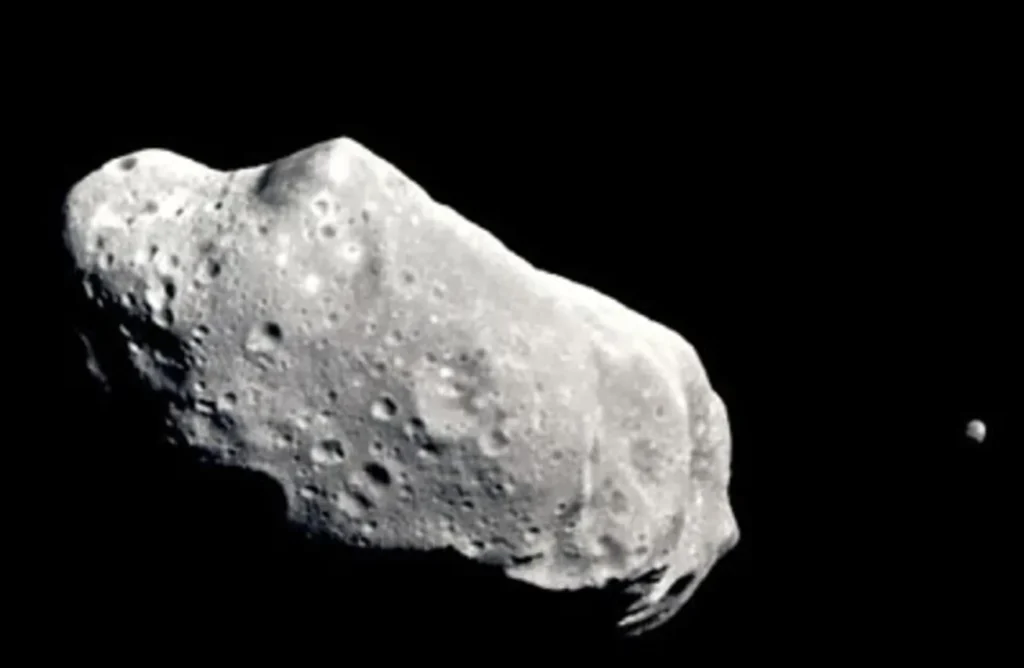
We often imagine an asteroid as a giant rock drifting quietly in orbit, but in reality, it’s a preserved chunk of the early solar system. When scientists examine these bodies up close, they find pristine materials unaltered for billions of years.
What Makes Asteroids So Important
- They preserve conditions from before Earth existed.
- They contain minerals we don’t find on our planet.
- They hold metals like nickel and iron in extremely pure forms.
- They give us clues about planetary formation.
Space agencies frequently target asteroids for sample-return missions because the untouched interior layers provide direct evidence of our solar system’s youth.
Asteroid Bennu, for example, includes organic-rich space rocks that may help decode the origins of life.
Read Also: Exploring exoplanets: a journey towards the Distant Worlds
6. Some Space Rocks Arrive in Unexpected, Even Dramatic Ways
Not every meteorite arrives quietly. Some strike Earth with enough force to leave craters, while others explode mid-air in bright fireballs.
Meteorite Landing Events That Changed History
- The Chelyabinsk event produced a shockwave that shattered windows across Russia.
- The Arizona Meteor Crater formed from a massive iron meteorite.
- Countless fireball sightings occur across the U.S. each year.
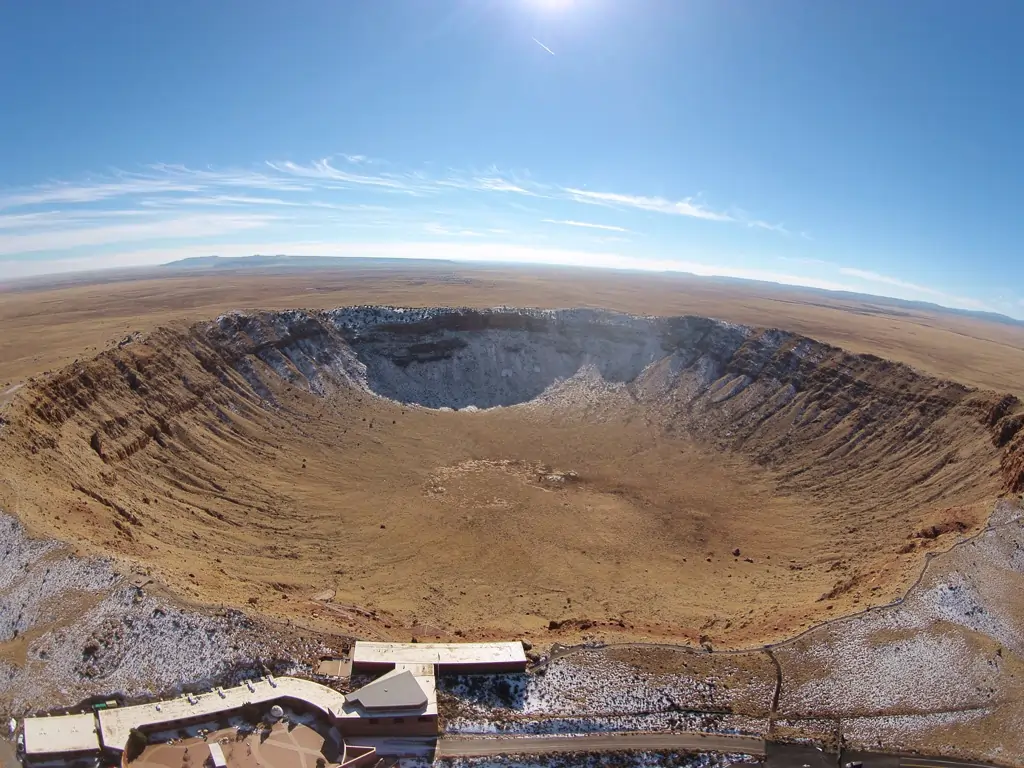
Even small space rocks can cause surprise when they land on rooftops, fields, or roads. A few have even punched through cars and houses.
These events remind us that our planet constantly interacts with the rest of the solar system.
Read Also: Biggest Planet in Our Solar System – Discover 9 Mind-blowing Facts about Jupiter
7. We Are Only Beginning to Understand the Value of Space Rocks
Despite centuries of research, we’re still learning what space rocks truly represent. Their scientific, economic, and cultural value continues to grow.
Key Reasons Space Rocks Matter More Than Ever
- They contain clues to Earth’s origin.
- They offer samples from planets we cannot easily reach.
- They include metals valuable for future technology.
- They help us track potential asteroid threats.
- They inspire curiosity about our place in the universe.
In the future, missions may mine asteroids for metals or harvest rare space minerals for industrial use. The hidden treasures falling from the sky could one day support human space exploration.
Read Also: Alaknanda Galaxy: 5 Shocking Reasons that are More Extraordinary Than Scientists Expected
Key Takeaway
Space rocks are far more than fragments of drifting debris. They are ancient messengers, carrying evidence of how our solar system formed, what materials shaped Earth, and what secrets lie beyond. Each meteorite, asteroid sample, or mineral inclusion deepens our understanding of our cosmic origins.
Conclusion
As we explore these seven remarkable facts about space rocks, we realize we’re not just studying stones — we’re studying time itself. These visitors from the sky carry traces of ancient stars, early solar chemistry, and minerals forged in conditions Earth never experienced. They remind us that pieces of the universe fall into our hands every day, inviting us to learn, question, and marvel.
The more we uncover, the more we understand that space rocks are not just geological curiosities. They are priceless storytellers, revealing who we are, where we came from, and what remains waiting for us beyond the edge of our world.
FAQs
1. How valuable can space rocks become when sold legally?
Some rare meteorites, especially lunar or Martian, can reach six-figure prices.
2. Why do space rocks contain minerals not found on Earth?
Their formation happened under extreme cosmic pressure and temperature conditions.
3. Do all meteorites contain metals or rare space minerals?
No, but many include iron, nickel, or unusual crystal structures.
4. Are asteroid samples more valuable to science than meteorites?
Yes, because they come from untouched environments billions of years old.
5. Can space rocks tell us anything about the origins of life?
Yes, many contain organic molecules linked to early biological chemistry.